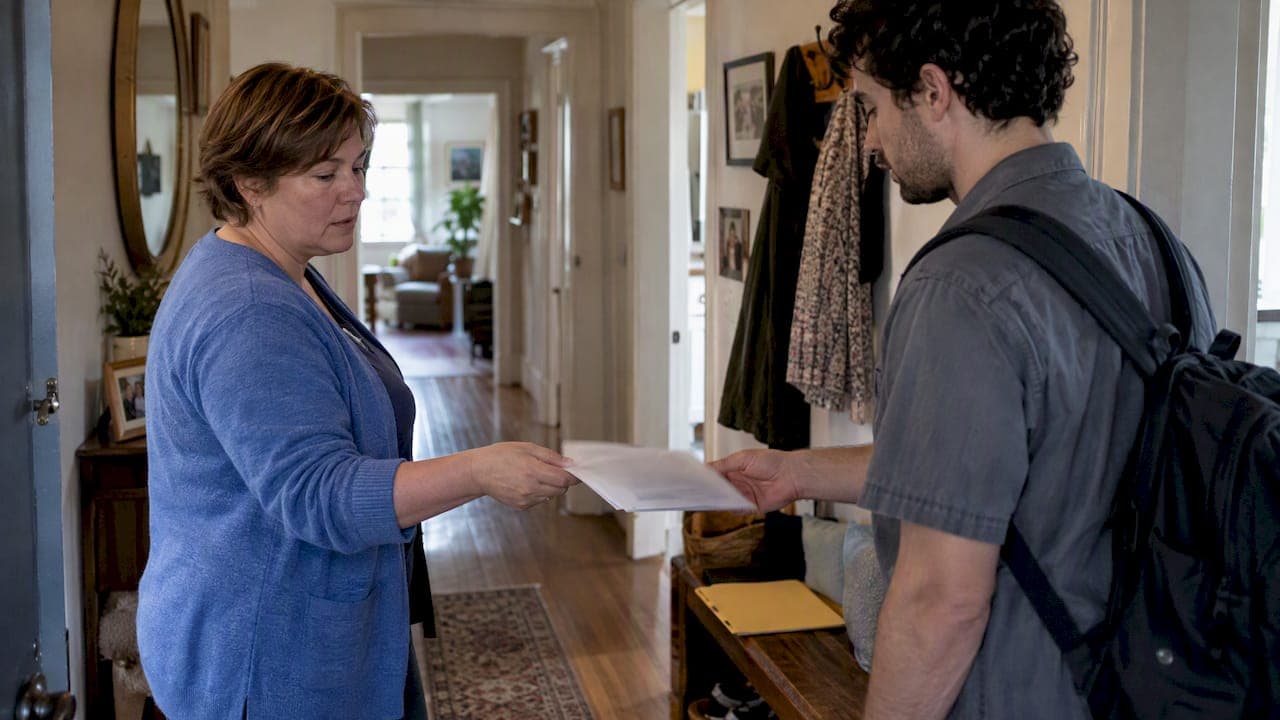
A good caregiver handoff note fits on one page and covers three things without exception: medications with exact times and the next dose due, what changed since the last shift, and who to call if something goes wrong. Pair the written note with a short verbal read-back, especially for medications, and the whole handoff takes one to three minutes while cutting the chance of a missed dose or a dropped detail.
TL;DR:
- A handoff note must specify medications, next doses, changes since the last shift, and escalation contacts with exact details for clarity.
- Writing notes throughout the shift and pairing them with a verbal read-back reduces errors and ensures critical details are not missed.
- Using a centralized, shared record system keeps caregiver notes visible and accurate, preventing medication duplicates and forgotten tasks.
- Clear, specific language in every field, especially medications and safety concerns, is essential to prevent preventable errors during handoffs.
- A quick safety check at shift end, including medication verification and safety concerns, enhances overall care quality and minimizes avoidable incidents.
Table of Contents
- The one-page handoff template and how to fill it
- When to use a handoff note versus a daily log or incident report
- Medication and safety best practices that prevent errors
- Good versus unhelpful handoff notes, side by side
- Making the routine stick with a centralized tracker
- Why a short handoff note protects more than it seems to
- Try The Care Tracker for free caregiver handoff tools
- FAQ
- Sources
The one-page handoff template and how to fill it
A handoff note works because it forces you to answer the same questions every time, in the same order, so nothing gets skipped when you're tired or rushed. Keep it to one page. If a field doesn't apply, write "none" rather than leaving it blank, because a blank field is impossible to tell apart from one you forgot to fill in.
Here's the complete field list, in the order it should appear on the page:
- Care recipient name and date/time of handoff.
- Outgoing and incoming caregiver names.
- Medications given this shift, with drug, dose, route, time given, and who gave it.
- Next dose due, stated explicitly, including the drug name, dose, and time.
- Meals and fluids, with rough amounts and any refusals.
- Mood and alertness, noting anything different from baseline.
- What changed since the last shift (one sentence, the most useful line on the page).
- Interventions tried and what worked or didn't.
- Outstanding tasks for the next caregiver.
- Safety concerns, including falls, skin issues, or near-misses.
- Escalation contacts, with names, phone numbers, and cutoff times.
- Signature and time completed.
The medication field is where most handoff notes fail, usually because they're too vague to act on. "Gave meds" tells the next caregiver nothing. Instead, write something like: "Lisinopril 10mg given 8:00am by Maria. Next dose: metformin 500mg due 6:00pm, not yet given." That single line answers what was given, by whom, and exactly what's still owed. This follows the kind of shared medication record the National Institute on Aging recommends for preventing dosing errors and interactions between caregivers.
The "what changed" field deserves the same specificity. A note that says "doing fine" is useless to the next shift. A note that says "ate half her usual lunch, more drowsy than typical by 2pm, no new complaints" gives the incoming caregiver something to watch for and compare against. This line is the one most often left blank, and it's usually the most clinically useful sentence on the page.
For deeper medication tracking between shifts, a medication log for caregivers can run alongside the handoff note so dosing history is never just a memory. A caregiver medication log guide walks through how to structure that record so it stays useful over weeks, not just one shift.
Keep the escalation section specific too. "Call if needed" isn't an instruction, it's a shrug. Name who to call, in what order, and until what time, so a 2am decision doesn't depend on guesswork.
When to use a handoff note versus a daily log or incident report
A handoff note, a daily log, and an incident report serve different jobs, and mixing them up slows everyone down. The handoff note is a short summary written at the end of a shift for the next caregiver. The daily log is the ongoing, chronological record you build throughout the day, noting meals, activities, and observations as they happen. An incident report is a separate, detailed account of a specific event, like a fall or a medication error, and it should never be buried inside a routine handoff.

Writing a little throughout the shift, rather than trying to reconstruct everything at the end, is what makes the final handoff fast. If you jot a line after each meal or medication, the handoff becomes a two-minute summary instead of a ten-minute scramble.
Pair the written note with a short spoken handoff whenever the outgoing and incoming caregivers overlap, even briefly. AHRQ's warm handoff guidance recommends doing this in person, in front of the care recipient if possible, because it gives everyone a chance to catch a detail the written note missed. A 90 to 120 second script covers it:
- State the care recipient's current status and mood in one sentence.
- Read the medication line aloud, including the next dose due, and have the incoming caregiver repeat it back.
- Mention what changed since the last shift.
- Flag any outstanding tasks or safety concerns.
- Confirm the incoming caregiver has the escalation contacts.
Pro Tip: Always have the incoming caregiver repeat the medication line back to you word for word before you leave. It takes ten seconds and catches most mix-ups before they happen.
Some events skip the routine handoff entirely and require immediate escalation instead: a fall, a severe allergic reaction, chest pain, a fever in a medically fragile person, or any medication given in error. Call the emergency contact or appropriate medical provider right away rather than waiting to note it on the handoff page.
Medication and safety best practices that prevent errors
Medication errors during shift changes are one of the most preventable risks in home caregiving, and the fix is almost entirely about how specific your language is. AHRQ's handoff guidance points to structured frameworks like SBAR (Situation, Background, Assessment, Recommendation) as a way to reduce the communication breakdowns that lead to these errors, and the same logic applies at home: say exactly what happened, in a fixed order, every time.
Write every medication line with six pieces of information: drug name, dose, route, time given, who gave it, and which dose comes next. For example: "Metformin 500mg, oral, given 8:00am by James. Next dose due 6:00pm."
Phrases to avoid, and what to write instead:
- Avoid "gave her meds." Write the drug name, dose, time, and who administered it.
- Avoid "should be fine until later." Write the exact time the next dose is due.
- Avoid "I think she took it." Write only what you directly observed or confirmed.
- Avoid "as needed" without detail. Write the last time a PRN medication was given and the next time it's allowed.
Statistic Callout: Structured handoff frameworks such as SBAR are widely recognized as an effective way to reduce preventable communication breakdowns between caregivers. Using the same fixed structure every shift is what makes that reduction possible at home, not just in clinical settings.
Before ending a shift, run a quick safety check: confirm all scheduled medications are accounted for, note any missed or refused doses, check for new skin changes or bruising, and confirm mobility aids are in place and working. A medication authorization record kept on file also clarifies which medications a caregiver is actually permitted to administer, which avoids confusion during a rushed handoff.
Good versus unhelpful handoff notes, side by side
The difference between a useful handoff note and a useless one usually comes down to specificity, not length. Here are six common fields, each with a vague version and a version that actually helps the next caregiver:
- Medication: Unhelpful: "Gave morning pills." Useful: "Lisinopril 10mg given 8:00am by Sarah. Next dose: furosemide 20mg due 2:00pm."
- Mood: Unhelpful: "Seemed okay." Useful: "Alert and talkative in the morning, quieter after lunch, no complaints of pain."
- Food and fluids: Unhelpful: "Ate lunch." Useful: "Ate about half a sandwich and a cup of soup, drank one full glass of water, refused the afternoon snack."
- What changed: Unhelpful: "No changes." Useful: "More unsteady walking to the bathroom today than yesterday, used the walker twice without asking."
- Intervention used: Unhelpful: "Helped with anxiety." Useful: "Played music and sat with her for ten minutes when she got agitated around 3pm, she calmed down after."
- Who to call: Unhelpful: "Call if needed." Useful: "Call daughter Jane at [number] until 10pm, after that call the on-call line at [clinic name]."
Each useful version answers a question the next caregiver will actually have: what exactly happened, when, and what to watch for. That's the whole point of a handoff note. More report examples and short templates are useful to study if you want to see this pattern applied across a full shift.
Making the routine stick with a centralized tracker
Paper notes get lost, and text message handoffs scroll out of view within a day. A centralized, timestamped record solves both problems by keeping every shift's notes in one place that every caregiver and family member can see. That matters most for medications, where a visible lock on a dose that's already been given is one of the more reliable ways to prevent two caregivers from giving the same dose twice.

A centralized system built around this workflow allows caregivers to log medications, note changes, and flag concerns in the same place families manage schedules, so the handoff note and the daily record live together instead of in separate notebooks or text threads.
A centralized system like this helps in a few concrete ways:
- Keeps every caregiver's notes visible to the whole care team, not just the next shift.
- Reduces fragmented records spread across paper, texts, and memory.
- Makes medication timing and next-dose details harder to miss or duplicate.
For teams managing multiple caregivers across shifts, a home health aide scheduling approach that pairs technology with a fixed handoff routine tends to hold up better over weeks than any single caregiver's memory.
Why a short handoff note protects more than it seems to
The biggest failure I see in handoff notes isn't bad intentions, it's vagueness born from exhaustion. A caregiver at the end of a long shift writes "all good" because that's faster than thinking through what actually happened. The fix isn't a longer form, it's a stricter one: three fields that can't be skipped, and a rule that the medication line always gets read back out loud before anyone leaves.
If you're training a new caregiver or onboarding someone into a family's routine, make the read-back non-negotiable from day one. It costs ten seconds and it's the single habit most likely to catch a mistake before it reaches the care recipient.
— mercedes
Try The Care Tracker for free caregiver handoff tools
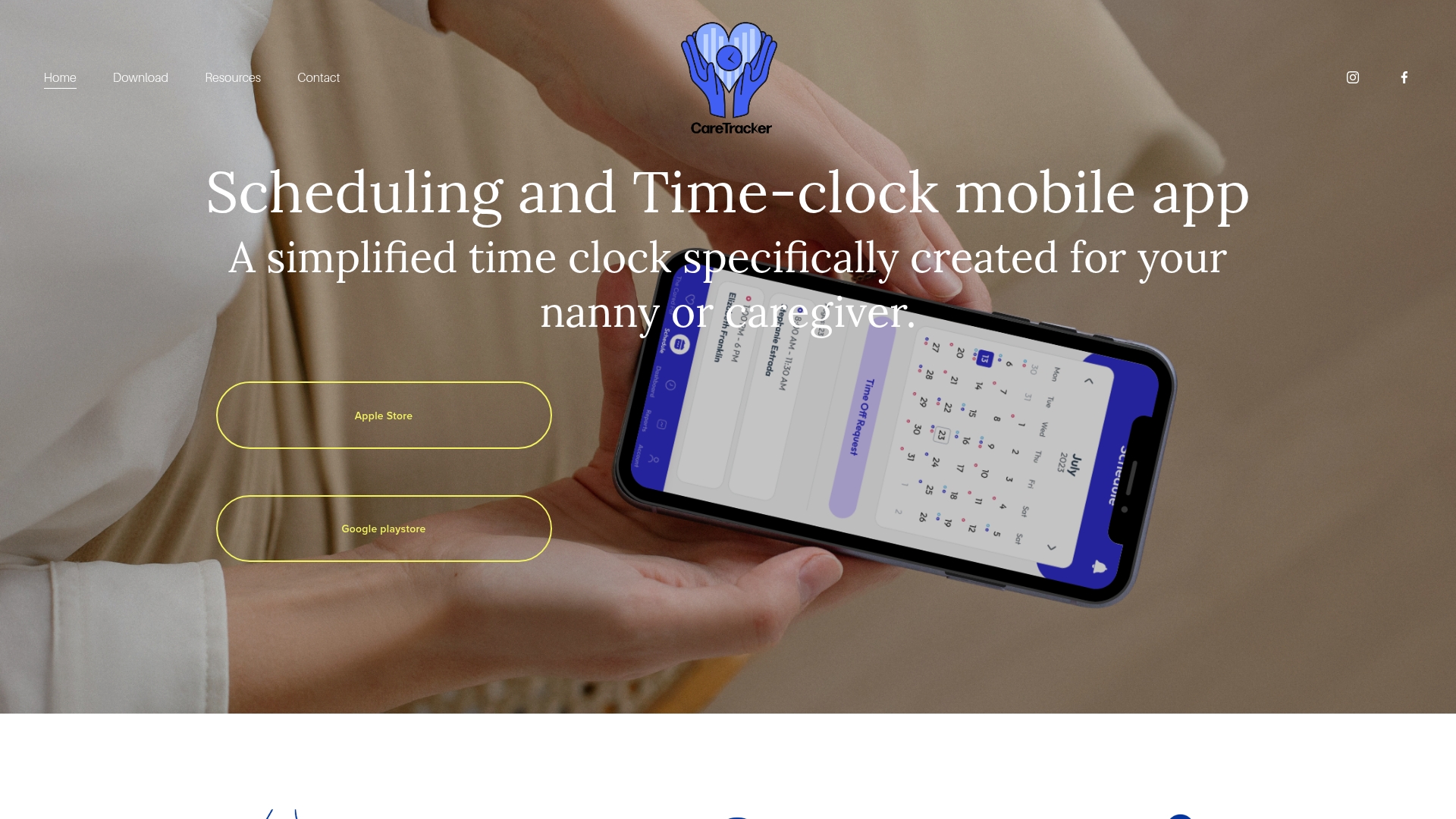
Writing a sharp handoff note is easier when the information you need is already in one place instead of scattered across sticky notes and old texts. Some apps give caregivers a way to keep care recipient profiles, medication schedules, and emergency contacts visible to everyone on the care team, so the handoff note writes itself from information that's already current.
With the app, caregivers can:
- View medication schedules and emergency contacts instantly instead of hunting through old messages.
- Track hours and shifts in one shared calendar visible to the whole care team.
- Keep allergy, nap, and daily activity details updated for anyone covering a shift.
The core features are free for caregivers to use today. Visit The Care Tracker to set up a care profile and start building handoffs that take minutes instead of guesswork.
This article is general information, not a substitute for advice from a qualified doctor. Consult a qualified healthcare professional about your own circumstances before acting on anything here.
FAQ
What should I write in a note to a caregiver?
Write the medications given and the next dose due, what changed since the last shift, and who to call if there's a problem. Add meals and fluids, mood, and any outstanding tasks so the next caregiver has a full picture in under a minute of reading.
How do I write a handoff report?
Keep it to one page and fill in the same fields every time: medications with exact times, what changed, interventions tried, and escalation contacts with cutoff times. Pair the written note with a brief verbal handoff, reading the medication line aloud so the incoming caregiver can repeat it back, a practice AHRQ recommends for catching errors before they happen.
How do I write care notes for in-home caregiving?
Write notes throughout the shift rather than all at once at the end, noting meals, mood, and any changes as they happen. At shift change, summarize those notes into a short handoff covering medications, what changed, and who to contact, keeping the daily log separate from the shorter handoff summary.
How do you describe caregiver duties?
Caregiver duties typically include medication reminders or administration, meal preparation, mobility assistance, personal care, and communicating updates to family members or the next caregiver. The specific duties should be documented in writing, ideally alongside a medication authorization record that clarifies what a caregiver is permitted to do.
Sources
The guidance above draws on structured handoff frameworks and caregiving worksheets published by federal health agencies, including warm-handoff checklists and medication tracking tools designed for family and professional caregivers alike.
- AHRQ primer: handoffs
- AHRQ warm-handoff guide for clinicians
- NIA caregiver worksheets (managing medications and caregiving worksheets)