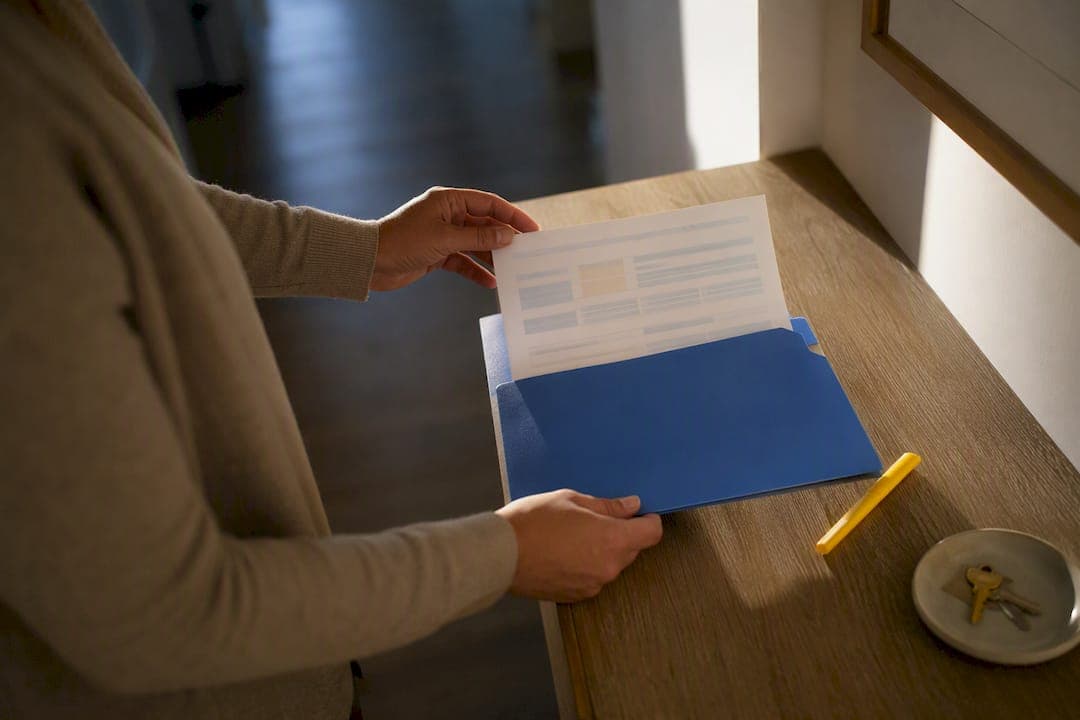
A care profile checklist is a one-page, shareable summary of a loved one's identity, medications, daily assistance needs, home safety concerns, and emergency contacts. The first step is simple: gather medications, write down emergency contacts, and jot the top three daily routines on one sheet today. Refine it later. A rough draft that exists beats a perfect one that doesn't.
TL;DR:
- A care profile should be concise, focusing on essential information needed by a stranger caregiver within two minutes, like emergency contacts, daily routines, and medications.
- Scoring ADLs and IADLs on a 0 to 4 scale helps determine the level of assistance required and highlights when a formal assessment is necessary.
- Maintaining an up-to-date medication list, safety checklists, and legal documents is crucial to avoid errors and ensure quick access during emergencies.
- A digital caregiving app consolidates all updates, schedules, and care routines in real-time, reducing miscommunication among multiple caregivers.
- Including behavioral and sensory cues, pain management strategies, and specific communication preferences improves caregiving quality and reduces unnecessary hospital visits.
Table of Contents
- What Belongs on a One-Page Care Profile
- How Do You Score ADLs and IADLs for a Care Needs Evaluation?
- Recording Medications Without the Guesswork
- Room-by-Room Home Safety Checklist
- Questions to Ask Before Hiring a Caregiver
- Turning the Checklist Into a Living Care Plan
- How an App Keeps the Care Profile Current Across Caregivers
- Pain Management and Comfort Measures
- Signs and Symptoms to Monitor and When to Seek Medical Attention
- Important Documents and Paperwork to Record
- Instructions for Daily Routines and Preferences
- Nutrition and Dietary Restrictions
- Communication Preferences and Sensory Considerations
- What the Checklist Gets Wrong If You Follow It Too Literally
- Keep Every Caregiver Working From the Same Care Profile
- Sources
What Belongs on a One-Page Care Profile
A care profile checklist works best when it fits on a single sheet a new caregiver can scan in under two minutes. Cramming in too much defeats the point. Focus on what someone would need to know if they were stepping in for the first time, tonight, with no warning.
Here's what earns a spot on that page:
- Identity and emergency contacts: full name, date of birth, who to call first, and a backup contact
- Primary doctors and insurance details: physician names, phone numbers, insurance carrier, and policy number
- Top three daily routines or comforts: the things that keep the day calm, whether it's a 7:00 a.m. coffee or a specific chair by the window
- Communication preferences: preferred language, hearing or vision considerations, and how the person signals yes or no if speech is limited
- Medication snapshot: current prescriptions with any special administration notes (crushed, with food, timing)
- Mobility and transfer needs: walker, wheelchair, transfer belt, or a note that transfers require two people
- Immediate-care instructions: DNR status, power of attorney contact, and where the legal originals are kept
The CDC's Complete Care Plan template consolidates most of these fields into a single downloadable form, which makes it a solid starting skeleton rather than something you build from scratch.
Pro Tip: Write instructions the way you'd explain them to a stranger, not a family member. "Uses walker for all transfers, locks brakes before sitting" beats "needs help walking" every time.
How Do You Score ADLs and IADLs for a Care Needs Evaluation?
Activities of Daily Living (ADLs) cover the basics: bathing, dressing, eating, toileting, transferring, and continence. Instrumental ADLs (IADLs) cover the more complex tasks that keep someone independent, like managing money, cooking, using the phone, and handling medications.
A simple 0 to 4 scale, similar to the model used in state-level personal care assessment tools, gives families a consistent way to record where a loved one stands:
- 0, Independent: completes the task without help or reminders
- 1, Supervision: needs prompting or standby assistance but does the physical task alone
- 2, Limited assistance: needs hands-on help for part of the task
- 3, Extensive assistance: needs hands-on help for most of the task
- 4, Total assistance: cannot perform the task even with help
Score each ADL and IADL separately. A parent might score a 1 on dressing (needs reminders to change clothes) but a 3 on bathing (needs hands-on help getting in and out of the tub). That gap is exactly the kind of detail that determines whether a family needs a few hours of weekly help or daily hands-on care. When scores climb toward 3 or 4 across multiple categories, it's worth requesting a formal clinical assessment rather than relying on the informal version alone.
Recording Medications Without the Guesswork
Medication errors happen most often when information gets passed along verbally or scribbled on a sticky note. A dedicated medication table closes that gap. At minimum, record:
- Medication name (generic and brand)
- Dose and route (oral, topical, injected)
- Time of day and frequency
- Purpose (so a substitute caregiver understands why it matters)
- Storage requirements (refrigerated, locked, away from light)
Allergies and past adverse reactions belong on the same page, not buried in a separate file. If a caregiver is authorized to administer medication rather than just remind, get that authorization in writing and note whether RN oversight is required under your state's rules.
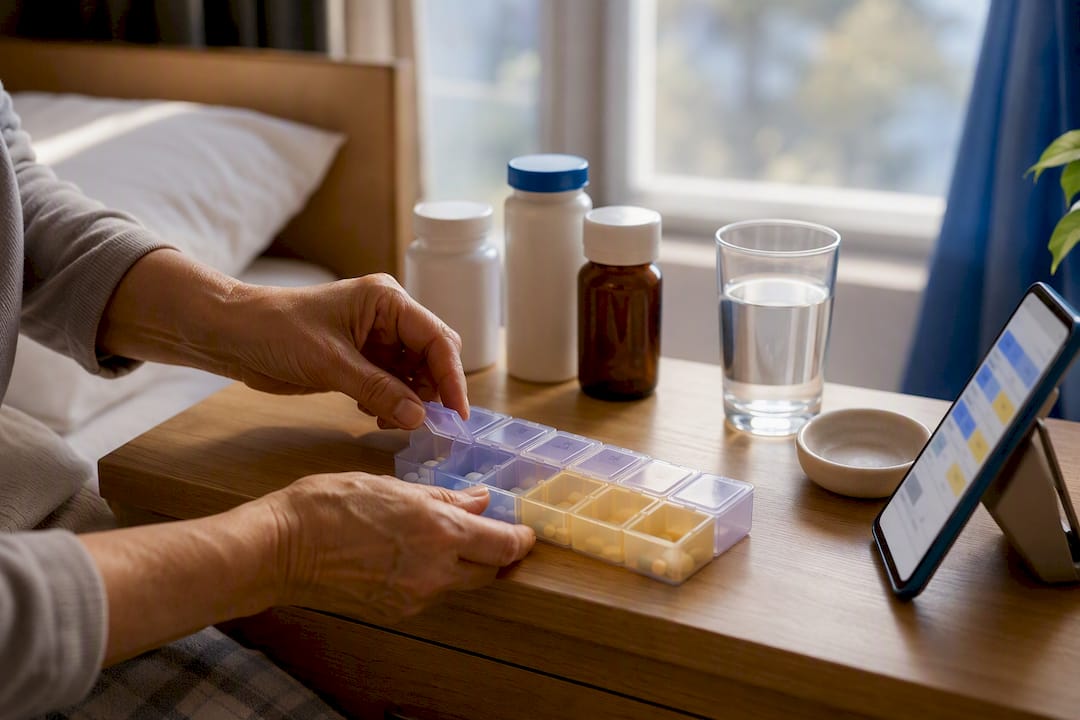
Care plans that get shared consistently across caregivers have been linked to fewer emergency visits and better management of chronic conditions, which is reason enough to keep both a paper copy taped inside a kitchen cabinet and a digital version in a dedicated medication log that updates in real time.
Room-by-Room Home Safety Checklist
Most falls happen in predictable places, which means most of them are preventable with a short walk-through. The National Institute on Aging publishes downloadable home safety worksheets that follow this same room-by-room logic.
- Entry and stairs: secure handrails on both sides, bright lighting, no loose rugs at the top or bottom
- Bathroom: grab bars near the toilet and tub, non-slip mats, a raised toilet seat if needed
- Bedroom: clear path to the bathroom, nightlight, phone and water within reach of the bed
- Kitchen: working smoke detector, stove knob covers if memory is a concern, frequently used items at waist height
- General hazards: taped-down cords, decluttered walkways, nonslip socks or shoes
Pro Tip: Walk the home at night with the lights off except for a hallway lamp. Whatever you can't see clearly is exactly what needs fixing first.
Questions to Ask Before Hiring a Caregiver
A good interview goes beyond "do you have experience." Ask about the specific tasks your loved one needs help with, not caregiving in general.
- Ask task-specific questions: "Have you assisted with transfers using a gait belt?" tells you more than "Are you experienced with mobility issues?"
- Verify credentials directly: call at least two references, run a background check, and confirm certifications like CPR or CNA licensure rather than taking a resume at face value.
- Watch for red flags: vague answers about past employment, reluctance to provide references, or inconsistent stories about certifications.
- Document duties in writing: put agreed-upon tasks, hours, and pay rate on paper before day one, so nothing gets renegotiated by memory later.
- Get permission to contact references by asking directly: "Do you mind if I call your last two employers this week?" A confident candidate says yes without hesitation.
The NIA's caregiver worksheets include a ready-made version of these interview questions if you'd rather not write your own from scratch.
Turning the Checklist Into a Living Care Plan
A checklist that never gets updated becomes a liability. The CDC recommends reviewing a care plan at least once a year, or sooner after any real change: a hospital stay, a new diagnosis, a medication switch, or a move to a different home.
SMART goals keep the plan from turning into a vague wish list. Specific, measurable, achievable, relevant, and time-bound goals give caregivers something concrete to work toward. An example: "Mom will walk to the mailbox and back with her walker, unassisted, three times a week, by the end of March." That's a goal you can actually check off, unlike "improve mobility."
- Store the plan somewhere every caregiver can reach, not in one person's email inbox
- Give each caregiver an updated copy after every revision, and date each version
- Note who is responsible for which task when multiple caregivers share the schedule, so nothing falls through the cracks between shifts
| Maintenance task | Frequency |
|---|---|
| Full plan review | At least annually |
| Update after health change | Immediately |
| Update after medication change | Immediately |
| Caregiver handoff notes | Every shift change |
Families juggling more than one caregiver often find that coordinating shift handoffs is where plans quietly fall apart, usually because nobody agreed on who updates what.
How an App Keeps the Care Profile Current Across Caregivers
A paper checklist works until the third caregiver joins the rotation and nobody knows which version is current. That's the gap a dedicated caregiving app fills. A dedicated caregiving app lets families build a centralized care recipient profile that every approved caregiver can view instantly, covering allergies, medications, emergency contacts, and daily routines in one place instead of scattered notes.
- Shift approvals and a shared calendar keep everyone working from the same schedule
- A built-in medication log reduces the chance of a missed or duplicate dose
- Notes and updates sync across every caregiver, so a change made Tuesday morning is visible Tuesday afternoon
Consistent, shared documentation is tied to fewer emergency visits and better chronic condition management, which is exactly the outcome a shared digital profile is built to support. For printable starting points, Thecaretracker's daily log templates and home care plan guide cover the paper side of the same system.
Pain Management and Comfort Measures
Pain often goes unreported by older adults, either because they don't want to be a burden or because cognitive decline makes it hard to describe. Your checklist needs a section that catches this before it becomes an emergency.
Record the baseline: does your loved one have chronic pain from arthritis, past surgery, or another condition? Note the usual pain level on a 0 to 10 scale, what triggers flare ups, and what has worked before. If they take pain medication, list the schedule, the dose, and whether it's taken as needed or on a fixed timer.
Comfort measures matter just as much as medication. A heating pad, a specific pillow arrangement, a warm bath at a certain time of day. These aren't luxuries. They're often the difference between a manageable afternoon and a distressing one, especially for someone who can't clearly verbalize what hurts.
For someone with limited speech or advancing dementia, pain often shows up as behavior instead of words: restlessness, grimacing, resistance to being touched, or a sudden change in appetite. Document what those behavioral signals look like for your specific loved one, and what tends to calm them. That detail is easy to skip and genuinely hard to replace once a new caregiver is on the job and has no history to draw from.
Write down who to call if pain escalates beyond the usual pattern, and at what point a phone call becomes a doctor's visit rather than a wait-and-see situation.
Signs and Symptoms to Monitor and When to Seek Medical Attention
Every care profile needs a short, specific list of warning signs, because "call if something seems wrong" isn't useful guidance for someone new to the role.
Start with the baseline: what does normal look like for this person? Normal appetite, normal sleep pattern, normal level of alertness. Deviations from that baseline are often more telling than any single symptom in isolation.
List the symptoms that warrant an immediate call to a doctor or 911: confusion that's new or worsening, difficulty breathing, chest pain, a fall with head impact, slurred speech, or a fever above a threshold your doctor has specified. Be explicit about the threshold. "High fever" means something different to every reader; "temperature above 101°F" does not.
Then list the symptoms that warrant a same-day call but not an emergency room visit: a new rash, mild confusion that clears within an hour, a skipped meal paired with unusual fatigue, or a wound that looks slightly more red than the day before.
Include the specific instructions your loved one's doctor has already given for chronic conditions. Someone with heart failure might have clear guidance about weight gain triggering a call; someone with diabetes might have specific blood sugar thresholds. These instructions are often already sitting in a discharge packet somewhere in the house. Pull them out and put them on the checklist where a caregiver will actually see them.
Important Documents and Paperwork to Record
A care profile checklist is only half useful if the legal and financial paperwork behind it is scattered across drawers, safes, and a lawyer's office nobody remembers the name of.
List where the originals of these documents live, and who has copies:
- Power of attorney (POA): both financial and medical, with the named agent's contact information
- Advance directive or living will: spells out treatment preferences if your loved one can't communicate them
- Health insurance cards: Medicare, Medicaid, or private insurance, plus policy numbers
- Long-term care insurance policy, if one exists, and the claims contact
- DNR order, if applicable, kept somewhere a paramedic would actually find it
- Will and estate documents, with the attorney's name and phone number
Don't just list what exists. Note where physical copies are stored and who holds digital backups. A POA that exists only in a locked filing cabinet at a house three states away doesn't help a caregiver during a Tuesday night emergency. Photograph or scan the key documents and keep a digital copy somewhere accessible to whoever might need it on short notice.
Instructions for Daily Routines and Preferences
The difference between a caregiver who feels like a stranger and one who feels like family often comes down to how well the small, unglamorous details got written down.
Cover the shape of a normal day: wake time, breakfast preferences, nap schedule, bedtime routine, and anything in between that keeps the day predictable. If your loved one takes coffee a specific way or refuses to eat before 8:00 a.m., write it down exactly as it is, not as a general note about "morning preferences."
Hobbies and interests matter more than they might seem on a checklist. Knowing that someone loves crossword puzzles, has always gardened on Saturday mornings, or prefers the radio over the television gives a new caregiver something to build rapport around instead of sitting in silence.
Be precise rather than vague. "Cuts food into bite-sized pieces before serving" and "prefers using a spoon rather than a fork" are the kind of task-level instructions caregiving experts point to as reducing errors and building confidence, according to the CDC's caregiving guidance. A generic note like "needs help with meals" leaves too much to guesswork.
Nutrition and Dietary Restrictions
Diet notes belong on the checklist in enough detail that a substitute caregiver could shop for groceries and prepare a meal without a single follow-up phone call.
Start with medical restrictions: diabetic diet, low sodium for heart conditions, thickened liquids for swallowing difficulty, or specific allergies that go beyond mild discomfort into genuine risk. List the texture modifications if chewing or swallowing is a concern, since this is one of the most common and most dangerous gaps in an informal handoff.

Then cover preferences that aren't medical but still matter: foods they dislike, favorite snacks, how they take their coffee or tea, and whether they eat better with company or prefer to eat alone. Portion size matters too. Some older adults eat smaller, more frequent meals rather than three large ones, and a caregiver who doesn't know that might misread a light appetite as a health concern.
If weight loss or poor appetite has been a recent issue, flag it clearly along with whatever the doctor has already recommended, whether that's supplement drinks, more frequent small meals, or a referral to a dietitian.
Communication Preferences and Sensory Considerations
Communication breaks down fastest when a new caregiver doesn't know the small adjustments that make conversation work. This section of the checklist prevents a lot of frustration on both sides.
Note preferred language first, especially in households where English isn't the primary language spoken at home. If hearing loss is a factor, specify which ear is better, whether hearing aids are used, and the best way to get attention before speaking, like a light touch on the shoulder rather than a shout from across the room. For vision impairment, note whether large print, high contrast, or verbal description of surroundings works best.
For someone with limited speech or advancing dementia, document exactly how they signal yes and no, or how they express discomfort. The Alzheimer's Association's caregiver profile checklist is built specifically around capturing these behavioral and communication cues, and it's worth using as a template rather than starting from a blank page.
Also record what causes distress and what calms it. A specific song, a familiar photo, or a certain tone of voice can de-escalate agitation faster than any verbal reassurance. These intangible cues are easy to forget when writing a checklist focused on medications and appointments, but they're often what a new caregiver needs most in the first difficult moment.
What the Checklist Gets Wrong If You Follow It Too Literally
Most advice on this topic treats the checklist as the finish line. It isn't. The document is only as good as how often someone actually looks at it, and that's the part conventional guidance tends to skip.
Families spend hours perfecting the medication table and the emergency contact list, then let the whole thing go stale after the first busy month. A care profile checklist that sat untouched since spring is arguably more dangerous than no checklist at all, because a new caregiver trusts it completely and has no reason to double check.
The ADL and IADL scoring matters less as a precise number and more as a shared language between family members who otherwise argue past each other about how much help Dad actually needs. Score it honestly, revisit it after any hospital stay, and don't treat a 2 as permanent.
If there's one thing worth prioritizing over everything else on this list, it's making the profile genuinely easy to update and easy to hand off. A beautifully detailed checklist stuck in one sibling's email folder helps nobody at 2:00 a.m. The format matters less than whether every caregiver can reach the current version in under a minute.
— mercedes
Keep Every Caregiver Working From the Same Care Profile
A caregiving app is the practical next step after building your one-page profile, because a checklist only works when every caregiver actually has access to the current version. Instead of texting updated PDFs every time a medication changes, families and caregivers see the same live profile: allergies, medications, emergency contacts, nap or nursing schedules, and daily routines, all in one place.
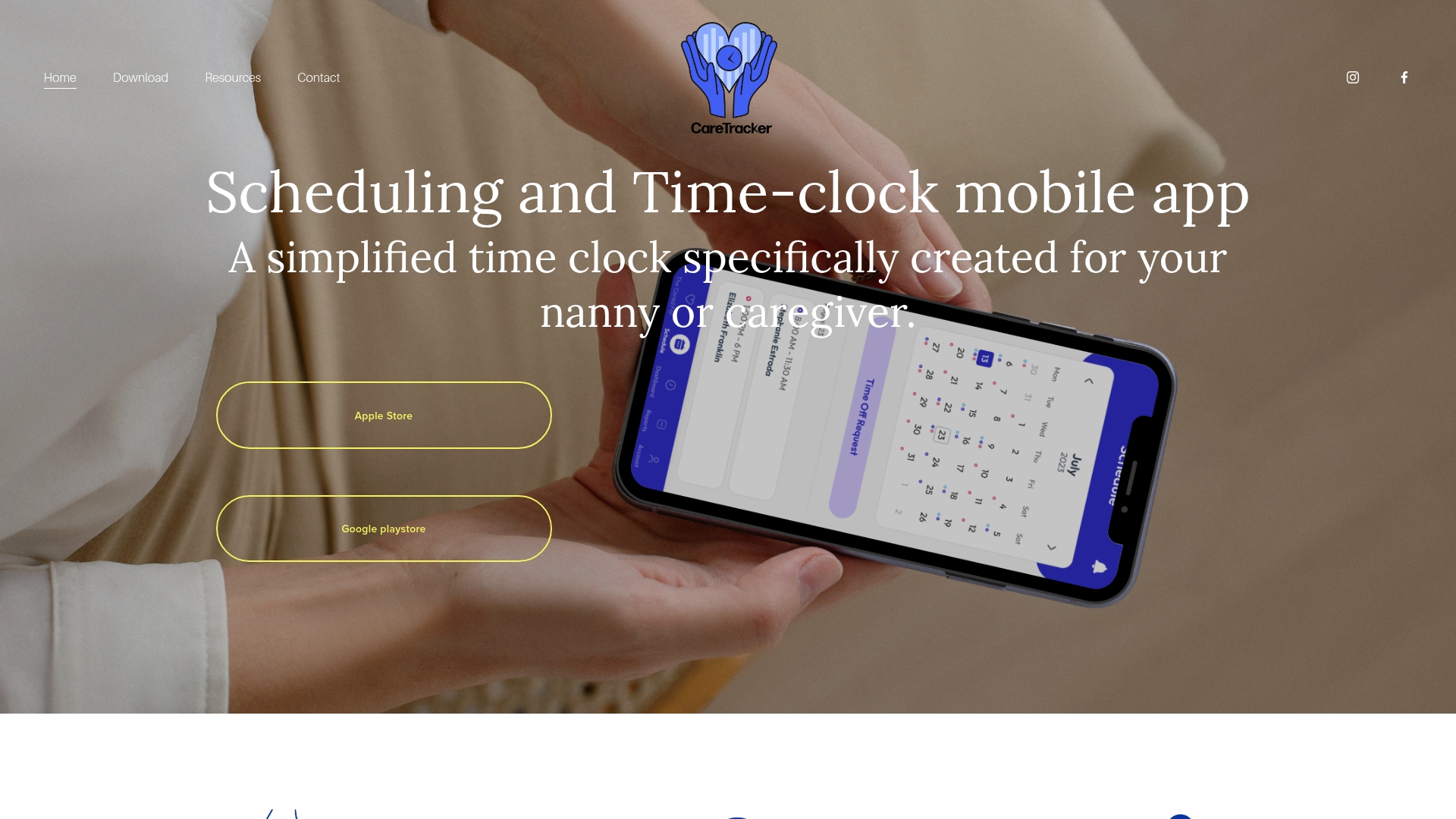
Some caregiving apps offer features like shift approvals, a shared calendar, and accurate hour tracking built in alongside the care information itself. If you've just finished writing your loved one's checklist, the next move is getting it somewhere every caregiver can see instantly rather than filed away until the next crisis. Set up a profile on Thecaretracker and invite your caregiving team today.
This article is general information, not a substitute for advice from a qualified doctor. Consult a qualified healthcare professional about your own circumstances before acting on anything here.
Sources
- Complete Care Plan (PDF) | CDC
- Caregiver Worksheets | National Institute on Aging - NIH
- Caregiver profile checklist | Alzheimer’s Association (PDF)