
What is a home care plan and why does it matter?
A home care plan is a structured, individualized document that outlines a care recipient's needs, daily routines, health information, and goals. Think of it as the single source of truth for everyone involved in someone's care. According to CDC caregiving guidance, care plans should summarize health conditions, treatments, emergency contacts, and daily activities in a location accessible to all caregivers.
For nannies and caregivers, a well-written plan removes guesswork. You know exactly what medications are due, which allergies to watch for, and who to call in an emergency. That clarity reduces stress and prevents the kind of small errors that can have real consequences.
A strong home care plan does several things at once:
- Organizes daily care tasks, meal schedules, hygiene routines, and nap times
- Documents medications, allergies, and health conditions
- Lists emergency contacts and any advance directives
- Defines each caregiver's responsibilities clearly
- Sets measurable care goals and review timelines
- Keeps all family members and caregivers aligned
Table of Contents
- What should every effective home care plan include?
- How digital tools like Thecaretracker make care plans easier to manage
- Best practices for keeping your care plan current
- How Thecaretracker supports your care plan every day
- What do common home care plan templates look like?
- Common challenges when putting a care plan into practice
- Privacy and security when using digital care plan tools
- Key Takeaways
What should every effective home care plan include?
The components of a care plan vary by recipient, but ACHC standards identify a consistent set of required elements: patient demographics, principal diagnoses, medications, safety measures, and caregiver responsibilities. For non-medical home care, the list looks similar but focuses more on daily living.
A complete plan typically covers:
- Recipient profile: Name, date of birth, primary language, and any cognitive or physical limitations
- Health conditions and diagnoses: Current conditions that affect daily care
- Medication schedule: Dosages, timing, and known allergies
- Daily routines: Meals, hygiene, mobility support, nap and nursing schedules
- Emergency contacts: Primary family contact, backup contacts, and the recipient's physician
- Functional limitations and safety measures: Fall risks, dietary restrictions, mobility aids
- Caregiver roles: Who does what, and when
- Care goals: Specific, measurable outcomes with a review schedule
A thorough care plan connects the recipient's assessment directly to the services being provided, clarifying visit frequency, medication reconciliation, and any education needs for caregivers.
How digital tools like Thecaretracker make care plans easier to manage

Paper plans get lost. They go out of date the moment something changes, and not every caregiver on a rotating shift sees the update. Digital tools solve this by centralizing care information and making it available in real time to everyone who needs it.
Here is what that looks like in practice:
- Instant access: Every caregiver sees the same up-to-date allergies, medications, and schedules
- Unified scheduling: Shift coordination happens in one place, reducing conflicts and missed handoffs
- Real-time updates: A change to a medication schedule appears immediately for all caregivers
- Reduced cognitive load: Caregivers spend less mental energy tracking details and more time on actual care
- Improved family communication: Families see notes and updates without waiting for a phone call
Digital care management tools eliminate miscommunication of allergies, medications, and emergency contacts across caregiver shifts, a problem that paper notes simply cannot prevent at scale.
Best practices for keeping your care plan current
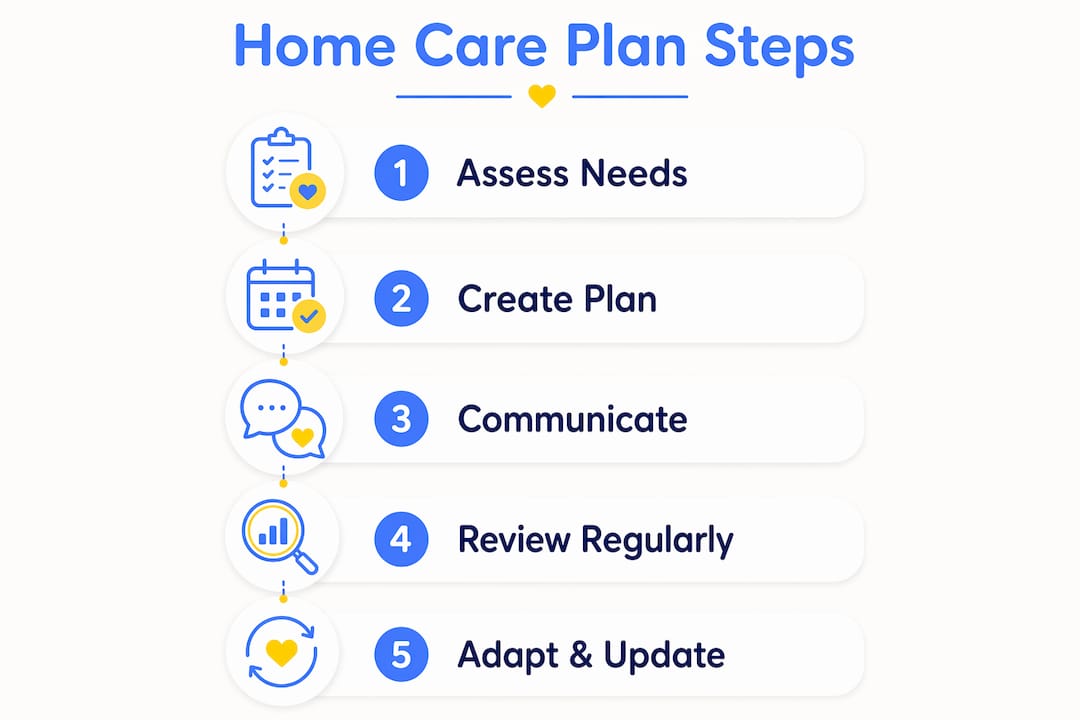
ACHC guidelines recommend reviewing care plans at least every 60 days, or sooner when a significant health event or routine change occurs. A plan that is not updated regularly stops being useful and starts being a liability.
Practical steps to keep your plan working:
- Schedule regular reviews: Set a calendar reminder every 60 days at minimum
- Update after any major change: New medication, a health event, or a shift in daily routine all warrant an immediate revision
- Communicate changes promptly: Every caregiver on the team needs to see updates the same day they happen
- Involve the recipient and family: When possible, include the person receiving care in review conversations
- Use digital alerts: Apps with notification features prevent updates from being missed
- Prevent scope creep: A written care plan clearly defines roles and expectations, keeping caregiver responsibilities from expanding without agreement
Treating the plan as a living document, not a one-time form, is what separates organized caregiving from reactive caregiving.
How Thecaretracker supports your care plan every day
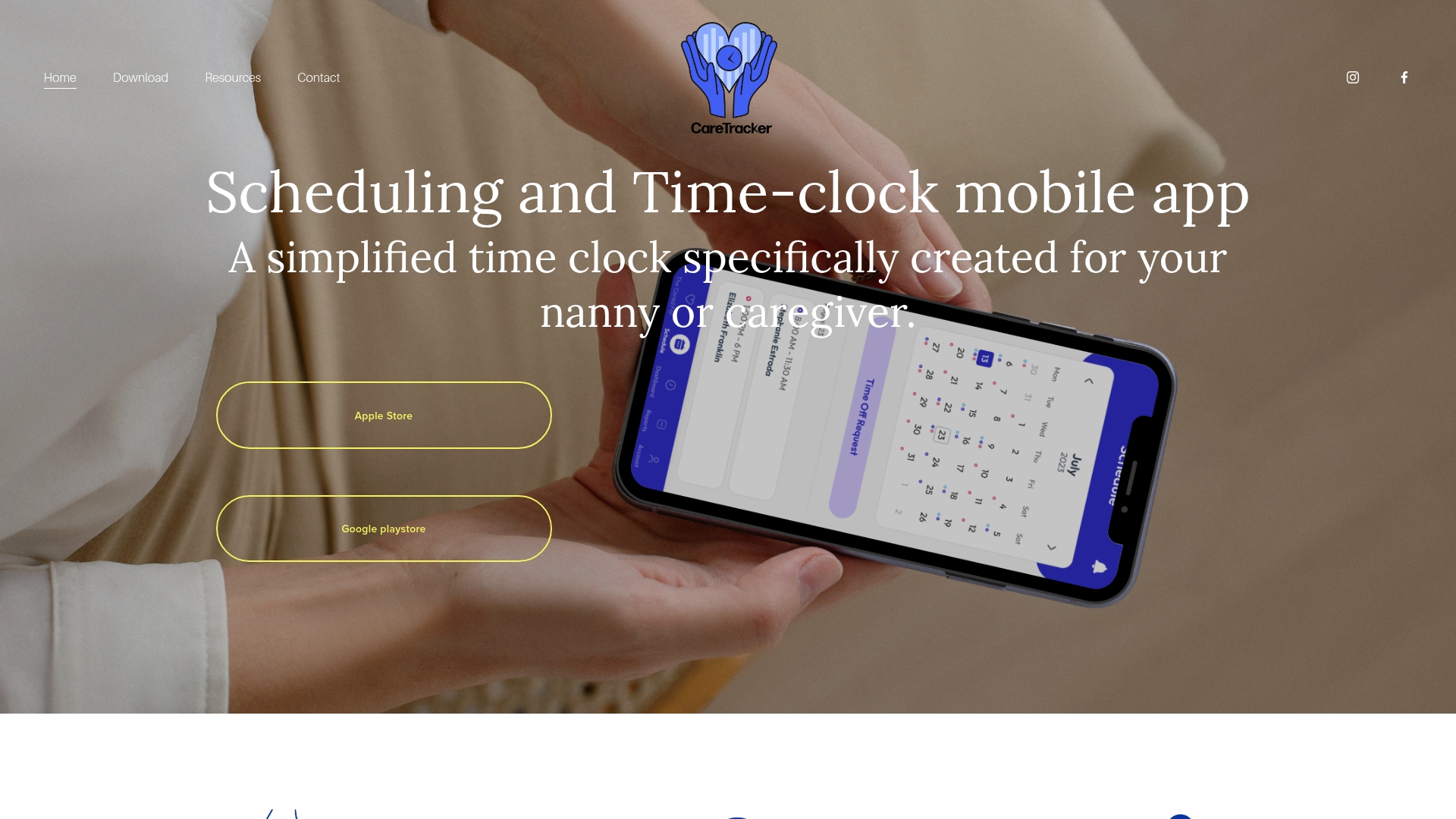
Thecaretracker is built specifically for nannies and caregivers who need organized, accessible care information without the hassle of paper files or scattered text messages. The app gives you a centralized profile for each care recipient, covering allergies, medications, emergency contacts, nap schedules, nursing schedules, and daily activities.
Key features that support effective care plan management:
- Care recipient profiles: All critical information in one place, accessible from your phone
- Unified calendar: View all your jobs and shifts without switching between apps
- Schedule management: Receive and approve schedule requests directly in the app
- Hour tracking: Log work hours accurately for every job, with support for state-specific pay periods
- Time-off and reimbursement requests: Submit and approve requests without back-and-forth messages
- Multi-caregiver coordination: Families managing more than one caregiver can keep everyone aligned
Pro Tip: Set up your care recipient's profile in Thecaretracker before your first shift. Having allergies, emergency contacts, and the daily schedule loaded in advance means you are prepared from day one, even if something unexpected happens.
Thecaretracker is completely free for caregivers, and for situations where you need additional support, a premium consultation is available to help you build and maintain a care plan that fits your specific situation.
What do common home care plan templates look like?
A home care plan template gives you a starting structure so you are not building from scratch. Most effective templates share a few common formats:
Basic daily care template: Covers the recipient's morning routine, meals, medications, afternoon activities, and bedtime. Works well for childcare and non-medical home care. Sections are short and scannable so any caregiver can follow them quickly.
Health-focused template: Adds sections for diagnoses, physician contacts, medication logs, and allergy alerts. Better suited when the recipient has ongoing health conditions that affect daily care decisions.
Goal-based template: Includes measurable care goals alongside daily tasks. For example, "complete physical therapy exercises three times per week" sits alongside the meal schedule. This format works well when the family wants to track progress over time.
Multi-caregiver template: Designed for rotating shifts. Each section notes which caregiver is responsible and when. Handoff notes are built in so nothing gets missed between shifts.
You can view care recipient details in Thecaretracker to see how a digital profile mirrors the structure of a well-organized template, with all the key fields already built in.
Common challenges when putting a care plan into practice
Even a well-written plan runs into obstacles. Knowing what to expect makes it easier to stay on track.
Resistance to documentation: Some caregivers see written plans as extra paperwork. The fix is framing the plan as protection for both the caregiver and the recipient. Clear documentation defines responsibilities and prevents disputes about what was or was not agreed upon.
Outdated information: A plan written six months ago may no longer reflect the recipient's current needs. Build review dates into the plan itself so updates happen on a schedule, not only when something goes wrong.
Poor handoff between caregivers: When one caregiver ends a shift and another begins, details get lost. A shared digital profile solves this by giving the incoming caregiver immediate access to the current plan.
Scope creep: Caregivers sometimes find their responsibilities expanding informally over time. A written plan with clearly defined roles gives you a reference point for those conversations.
Family disagreements: Multiple family members may have different expectations. A documented plan, agreed upon in advance, avoids conflicts by recording preferences before they become points of tension.
Privacy and security when using digital care plan tools
Care plans contain sensitive personal information: health conditions, medications, emergency contacts, and daily routines. Choosing a digital tool with appropriate security practices protects both the caregiver and the care recipient.
A few things to look for and practice:
- Password protection: Use a strong, unique password for any app storing care information. Never share login credentials between caregivers.
- Access controls: The best tools allow families to set who can view or edit specific information, limiting access to only what each caregiver needs.
- Data storage: Understand where the app stores data and whether it is encrypted. Reputable apps use encrypted storage to protect sensitive records.
- Minimal sharing: Only include information in a digital profile that caregivers genuinely need. Not every detail needs to be in a shared document.
- Device security: Lock your phone with a PIN or biometric. If your device is lost, a locked screen is the first line of defense for any care information stored on it.
Families and caregivers share a responsibility to handle care information with discretion, regardless of whether the plan lives on paper or in an app.
Key Takeaways
A structured, regularly updated home care plan is the most reliable way to deliver consistent, safe care across multiple caregivers and shifting routines.
| Point | Details |
|---|---|
| Review regularly | ACHC standards recommend updating care plans regularly or after any major change. |
| Cover all critical fields | Every plan needs medications, allergies, emergency contacts, daily routines, and defined caregiver roles. |
| Go digital for accuracy | Digital tools eliminate outdated paper plans and give every caregiver real-time access to the same information. |
| Define roles in writing | A written plan prevents scope creep and clarifies caregiver responsibilities before misunderstandings arise. |
| Protect sensitive data | Use password protection, access controls, and encrypted apps to keep care recipient information secure. |