
The most effective approach to parent nanny communication combines four things: a short onboarding conversation, a written agreement, a daily handover routine, and scheduled check-ins. Add one shared tool, like Thecaretracker, to keep schedules and care details in one place, and most of the misunderstandings that wreck nanny relationships simply stop happening.
TL;DR:
- Clear onboarding that includes signing a written agreement, establishing communication preferences, and discussing emergency procedures prevents confusion from the start.
- Structured weekly check-ins should focus on successes, concerns, schedule updates, child development, and action items to maintain effective communication.
- Daily handovers must record times, meals, naps, medications, incidents, and highlights in a shared, secure tool to ensure accurate, searchable records and reduce misunderstandings.
- Feedback should be based on observations, delivered with "I" statements, and documented with specific behaviors, impact, and follow-up plans to avoid defensiveness.
- Using a designated app for schedule management, time tracking, and care details consolidates communication, minimizes scattered updates, and supports smooth, culturally sensitive routines.
Table of Contents
- Building a Parent Caregiver Dialogue That Actually Holds Up
- Which Channel Should You Use for What?
- How Do You Give Feedback Without Creating Defensiveness?
- What Belongs in a Written Nanny Agreement?
- What a Real Communication Workflow Looks Like
- Why Cultural Sensitivity Changes the Way You Communicate
- What if You Don't Share a First Language?
- Why These Routines Matter More Than They Seem To
- Put the Routine Into an App Instead of Sticky Notes
- Where to Go for More on Contracts and Communication
- Sources
- FAQ
Building a Parent Caregiver Dialogue That Actually Holds Up
Most communication breakdowns between parents and nannies don't come from one big blowup. They come from small, unspoken assumptions that pile up over weeks. Fixing that starts before the nanny's first day, not after the first argument.
Onboarding: set the rules before you need them
A solid onboarding conversation should cover:
- Reading and signing the written agreement together, out loud if needed, so nothing gets skimmed
- Agreeing on communication preferences (text for logistics, app for daily notes, call for anything urgent)
- Walking through emergency procedures: who to call first, where medications live, what "urgent" actually means in your household
Skipping this step is the single most common reason new hires feel like they're guessing.
The weekly check-in agenda
A short, regular conversation during paid work hours greatly improves effective nanny communication compared to unstructured casual chats. Structure it around:
- What went well this week
- Any concerns, from either side
- Upcoming schedule changes
- Notes on the child's development or behavior
- One or two action items for next week
Daily handover checklist
Every handover, whether in person or logged in an app, should capture arrival and departure times, meals eaten, nap timing, medications given, any incidents, and one highlight from the day.
Pro Tip: Give the nanny explicit permission to raise problems without asking. Say directly, "If something's not working, I'd rather hear it in the Tuesday check-in than have it build up." Psychological safety in a private home isn't built by one speech. It comes from repeated, small acts, like following up on concerns and never reacting punitively when a nanny flags something.
Which Channel Should You Use for What?
Not every message deserves the same channel. Texting is for logistics: "running 10 minutes late," "left the diaper bag by the door." A daily log app is for facts that need a record: meals, naps, medications, photos. A scheduled call or in-person conversation is for anything that needs nuance, like a developmental concern or a change in behavior.
A sample digital daily-log entry might include:
- Time of arrival and departure
- Meals and amounts eaten
- Nap start and end times
- Medications administered, with dose and time
- Bathroom or diaper notes
- One or two photos or a short highlight
- Anything unusual or concerning
Mixing these channels is where trouble starts. A text about a bruise gets buried under logistics messages. A phone call about "how was today" wastes time better spent on a two-minute log entry. Sticking to secure caregiver communication tools, rather than scattering updates across five apps, keeps everyone on the same page and creates a record you can actually search later.
Photos deserve their own rule. Agree upfront on where they're shared and who else can see them. Tools built specifically for private family sharing, like Kin Watchdog, limit exposure compared to a group text that might get forwarded.
Pro Tip: If a handover feels rushed at pickup, ask for two extra minutes in person instead of trying to cram everything into a text later that night. Face-to-face still catches tone that a log entry misses.
How Do You Give Feedback Without Creating Defensiveness?
Feedback conversations go wrong for a predictable reason: they start with judgment instead of observation. A better sequence looks like this:
- State the fact first. "Yesterday, bedtime ran 45 minutes past the routine we agreed on."
- Use an "I" statement, not a "you" statement. Framing concerns as observations rather than accusations keeps the other person from shutting down.
- Propose a concrete fix. "Could we start the wind-down 15 minutes earlier?"
- Listen actively. Paraphrase what you heard back, ask a clarifying question, and confirm you both agree on next steps. Active listening matters as much here as anything you say.
- Document the outcome. A quick note in a shared log, dated, with the agreed change and a follow-up date, protects both of you.
Timing matters as much as wording. Never raise a difficult topic during pickup with the child standing right there. Schedule a private five minutes, even if it means texting first: "Can we talk for a few minutes before you head out today?"
Pro Tip: When documenting a concern, include the date, the specific behavior you observed, its impact on the child, the change you're requesting, and when you'll check back in. That structure keeps the conversation about outcomes, not character.
What Belongs in a Written Nanny Agreement?
A written agreement is the backbone of building trust with your nanny, because it removes ambiguity before it becomes conflict. At minimum, it should include:
- Employer and employee names and contact information
- Job duties and daily responsibilities
- Work location and start date
- Schedule, including start and end times
- Pay rate, overtime terms, and pay schedule
- Cancellation policy and notice periods for both sides
- Confidentiality expectations
- Workplace dignity and conduct clauses
The Department of Labor's sample nanny agreement is a solid starting template for all of these. For cancellations, spell out compensation for short-notice changes on either side, and note when scheduled check-ins happen so nobody has to ask.
Documenting these routines matters because unspoken agreements are the ones that quietly erode over months. A written agreement covering schedule and expectations also supports the child's stability, not just the adults' peace of mind. If overtime or pay-period rules feel unclear, check current Department of Labor wage guidance before finalizing terms. For a full clause-by-clause breakdown, see nanny contract essentials.
What a Real Communication Workflow Looks Like
- Onboarding conversation, contract signed and stored
- Shared calendar for schedule requests and approvals
- Daily digital log using a daily log template
- Weekly 15-minute check-in using the agenda above
- Hours tracked through a timesheet template for accurate pay
No single conversation replaces this. It's the routine, repeated weekly, that keeps both sides informed.
Why Cultural Sensitivity Changes the Way You Communicate
Nannies come from a wide range of backgrounds, and communication norms aren't universal. In some cultures, direct disagreement with an employer feels inappropriate even when something is genuinely wrong. In others, silence during a check-in signals agreement, not hesitation.
Assuming your own communication style is the default is where a lot of parent nanny relationships quietly break down. Ask directly, early on, how your nanny prefers to raise concerns. Some will be comfortable speaking up in the moment. Others need a private, low-pressure setting, or prefer writing a note before discussing it verbally.
Respect extends to holidays, dietary practices, and family customs too. If your nanny observes religious holidays or dietary restrictions, ask about them during onboarding rather than discovering them by accident. The same goes for parenting philosophies. A nanny raised with different norms around discipline or independence isn't wrong; she's operating from a different baseline, and naming that openly avoids friction later.
Small gestures matter more than grand policies here. Learning how to pronounce a name correctly, asking about family traditions, or simply not assuming everyone celebrates the same holidays builds the kind of rapport that makes hard conversations easier down the line. Cultural sensitivity isn't a separate skill from good communication. It's what makes the routines above actually work across different backgrounds.

What if You Don't Share a First Language?
Language barriers don't have to derail parent nanny communication, but they do require deliberate adjustments. Speak plainly and avoid idioms that don't translate well, like "it's raining cats and dogs" or "give them the benefit of the doubt." Short, direct sentences reduce the chance of a mixed message far more than a warmer but vaguer instruction would.
Written instructions help more than verbal ones when English isn't a first language for either party. A specific, actionable direction like "rinse bottles, wipe high chair, put toys in labeled bins" works better than "please tidy up," regardless of language fluency. Vague requests fail even between two native speakers who simply have different standards for "clean."
Translation apps can bridge real-time gaps for urgent conversations, but don't rely on them for anything nuanced, like feedback about a child's behavior. For sensitive topics, slow down, confirm understanding by asking the nanny to repeat back what she heard, and follow up with a written summary afterward. That written summary matters even more across a language barrier, because it gives both sides something to reference later instead of relying on memory of a conversation that may have had gaps in translation.
When a misunderstanding does happen, and it will, resist the urge to assume bad intent. Ask a clarifying question first. Most "she didn't follow instructions" moments turn out to be "the instruction wasn't as clear as it felt in your head."

Why These Routines Matter More Than They Seem To
The families who struggle most with their nannies aren't the ones with the biggest personality clashes. They're the ones who never built a routine for talking, so every conversation feels like a negotiation. Structure isn't cold. It's what lets both sides relax into the relationship instead of guessing at each other's expectations every day. For more on the specific routines mentioned here, the related posts on Thecaretracker's blog go deeper into templates you can adapt. Prioritize the routine over the personality fit, and the trust tends to follow.
— mercedes
Put the Routine Into an App Instead of Sticky Notes
Thecaretracker gives you one place to run everything covered above instead of juggling texts, a paper calendar, and a notebook by the door. It handles schedule requests and approvals, a unified calendar for every job, accurate hour tracking, and instant access to allergies, medications, emergency contacts, and nap schedules in one profile.
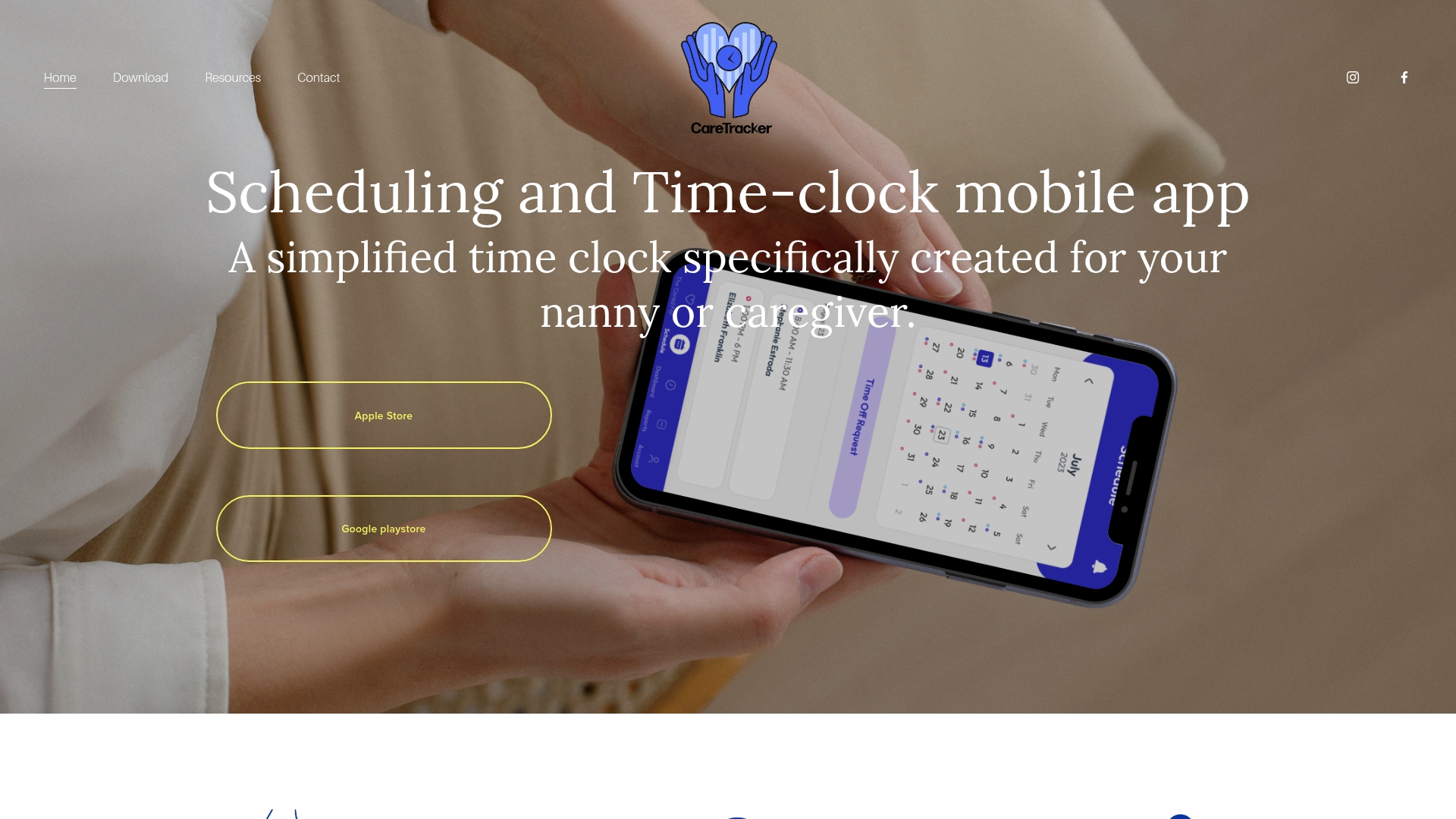
Start simple: install the scheduling and time tracking app, upload your written agreement or contract checklist, and set your first weekly check-in on the shared calendar. If pay periods, overtime, or a messy pay history are the part that actually worries you, Thecaretracker's payroll consultation walks through the compliance side so the app handles daily communication while the paperwork gets handled properly too.
Where to Go for More on Contracts and Communication
For the legal and communication basics behind this article, the Department of Labor's sample nanny agreement covers contract essentials, ChildCare.gov outlines parent responsibilities, and Stanford's active listening guide breaks down the technique step by step.
Sources
- Steps for active listening — Stanford news (2025)
- Using 'I' statements to reduce defensiveness — Conflict Management (University of Iowa)
- Childcare
- Employment sample agreement for nannies — U.S. Department of Labor
FAQ
What is the 7-7-7 rule for parenting?
The 7-7-7 rule isn't a standard, documented parenting framework, and definitions of it vary depending on the source. Rather than rely on an unofficial rule, structure your parent nanny communication around a known routine instead, such as daily handovers plus weekly check-ins.
What is the best app for parent nanny communication?
The best option depends on what you need most: schedule coordination, time tracking, or shared care details. Thecaretracker centralizes schedule approvals, time tracking, and care profiles in one free app for caregivers, which covers most of what daily nanny communication requires.
What are the 5 C's of parenting?
There's no single, universally agreed-upon list called the "5 C's of parenting," and sources define it differently. If you're looking for a communication framework specifically for caregivers, the routines in this article (onboarding, daily logs, check-ins, written agreements) cover the same ground more reliably.
What are examples of good nanny communication?
Strong examples include a daily log entry noting meals, naps, and one highlight; a weekly 15-minute check-in covering concerns and schedule changes; and feedback delivered with an "I" statement rather than an accusation. A written agreement covering schedule and expectations also prevents most recurring disputes before they start.
How often should parents check in with a nanny?
A weekly or biweekly check-in, roughly 15 minutes long, works for most families and should be paid as part of the nanny's time. Daily handovers, whether spoken or logged in an app, handle the day-to-day facts so the weekly meeting can focus on bigger patterns and concerns.