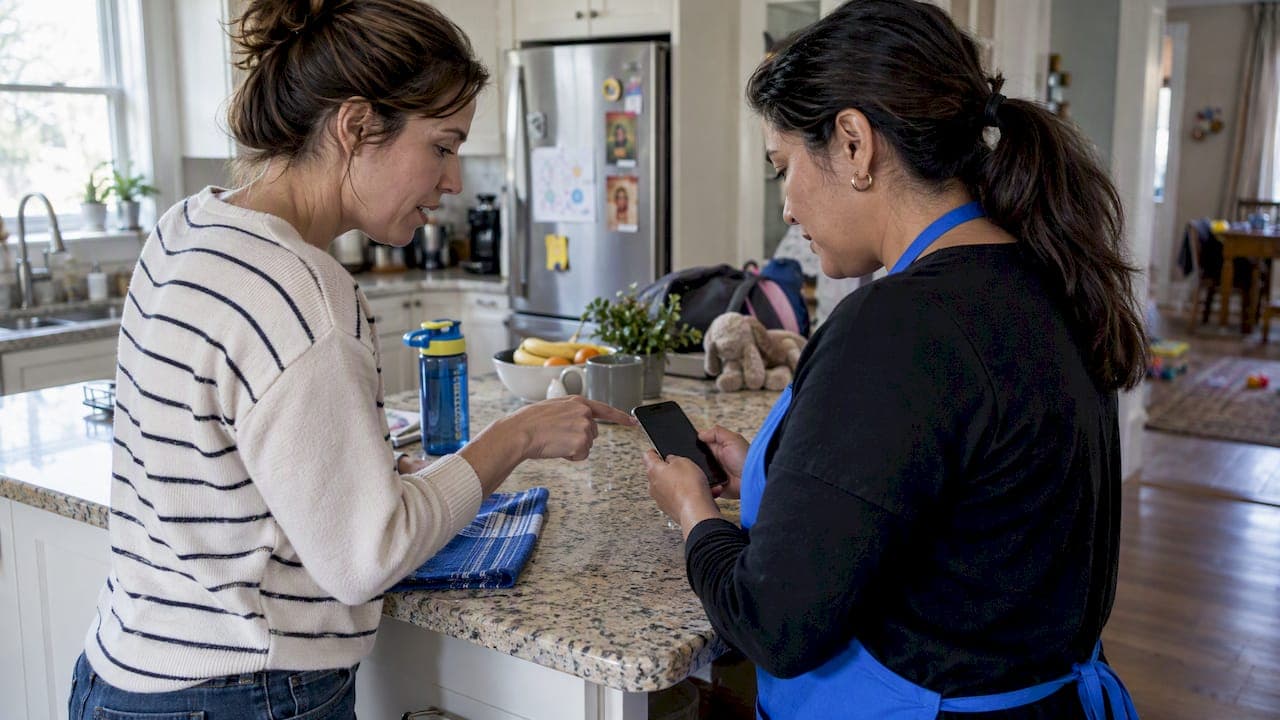
Three actions get a new nanny or caregiver ready fast: centralize the household's care details in one place, complete app setup for schedules and time tracking, and run a focused first-day orientation followed by a short trial with check-ins. Families should own the first two before the caregiver arrives, each taking about 20 to 30 minutes, and both sides share the orientation and trial together.
TL;DR:
- Preparing a family manual and care vault with medication, allergy, emergency contact, and routine information simplifies coordination and reduces stress on day one.
- Setting up a dedicated scheduling app with accurate profiles and approved shift templates takes less than 20 minutes and avoids common schedule confusion.
- Running a short trial with daily check-ins for the first few days and weekly reviews for at least four weeks fosters trust and allows early adjustment.
- Using structured templates for handoff, short plans, and a household handbook streamlines onboarding and improves caregiver retention.
Table of Contents
- Prepare before day one: what to centralize into a family manual and care vault
- Set up the caregiver in the scheduling and time-tracking app step-by-step
- First-day orientation and handoff checklist families should run
- Run a short trial and scheduled check-ins during the first two to four weeks
- Templates and quick tools to hand the caregiver
- Why simple onboarding improves retention and reduces admin
- How The Care Tracker supports onboarding
- FAQ
- Sources
Prepare before day one: what to centralize into a family manual and care vault
A caregiver's first week goes smoother when the facts they need are already written down instead of scattered across texts and sticky notes. Before the start date, gather the details that matter most in an emergency or a routine moment, and put them somewhere the caregiver can reach instantly rather than hunting for them under pressure.
Centralize these fields first:
- Medication names, exact dosages, and timing
- Allergy triggers and the specific reaction to watch for
- Emergency contacts, plus pediatrician, doctor, and pharmacy numbers
- Insurance basics (provider name and policy number)
- Nap, meal, and feeding schedules with typical timing
Beyond the vault, a short family manual rounds out the picture: paid time off and sick day policies, daily routines, house rules, any off-limits rooms or areas, transportation or vehicle use rules, and special handling instructions for a child with specific needs. A care profile checklist gives families a ready structure for these fields instead of starting from a blank page.
Share this information three ways: a digital document, a printed copy left somewhere visible, and an app invite or QR code so the caregiver has it on their phone from the first shift. A tool like Kin Watchdog can also help families organize routines and access permissions before handoff.
Pro Tip: Keep one master document and update it after every check-in instead of creating new versions scattered across email threads.
Set up the caregiver in the scheduling and time-tracking app step-by-step
App setup takes under 20 minutes and prevents the two most common early friction points: confusion over hours and missing care details. Caregivers and families can work through this together on day one or the evening before.
- Send the app invite and have the caregiver accept it, then fill in the care recipient profile with medications, allergies, and emergency contacts so the information is visible from the first login.
- Build recurring shifts that match the real week, including pickup windows, nap blocks, and activity time, then approve any schedule requests so the calendar reflects what will actually happen.
- Turn on time tracking and walk through pay period basics together, then check that a logged shift shows the correct start and end time before the caregiver's first full day.
A purpose-built scheduling app handles recurring shifts and approvals in ways a generic calendar was never built for, which matters once multiple caregivers or irregular hours enter the picture. A one-page handoff checklist takes 3 to 5 minutes to read, making it realistic for a caregiver to review it during a short overlap before their first solo shift. For families managing more complex schedules, guided scheduling steps walk through calendar and shift approvals in more detail.
First-day orientation and handoff checklist families should run
A thirty to forty-five minute home tour on day one answers most of the questions a caregiver would otherwise have to ask later, one at a time, during moments when the family isn't around to help.
Cover these points during the walkthrough:
- First-aid kit location, fire extinguisher, exits, and any off-limits rooms or areas
- Device instructions: thermostat, locks, baby monitor, and where supplies live
- Child routines, soothing tactics, allergy or diet rules, and pickup or drop-off details
- School, practice, or activity schedules and who handles transportation
Hand over the one-page checklist during this walkthrough rather than before or after, so the caregiver can follow along and ask questions in context. Demonstrate two or three key tasks rather than just describing them, and encourage the caregiver to keep a dedicated notebook for device instructions and hidden storage spots so they only need to ask once.
Run a short trial and scheduled check-ins during the first two to four weeks
Agencies and placement experts recommend a trial period paired with scheduled check-ins, since this structure gives both the family and the caregiver room to adjust before small issues turn into bigger ones.
- Run brief daily check-ins for the first two to three days to catch immediate questions about routines or supplies.
- Schedule a paid weekly check-in through week four, since guidance on household agreements recommends paying for check-in time that falls outside normal working hours.
- Hold a thirty-day review covering schedule fit, duties that still feel unclear, and any safety questions that came up.
Each conversation should also touch on time tracking and pay, since confusion here is one of the fastest ways trust erodes early on. Update the family manual and the app's care profile after every check-in so the written version always matches what's actually happening.
Pro Tip: Put check-in dates on the calendar before the caregiver's first day so neither side has to remember to schedule them later.

Templates and quick tools to hand the caregiver

Both templates convert easily into app entries: copy the fields directly into the care profile, then share access through an invite link or QR code instead of asking the caregiver to register from scratch.
| Template | Best used for | Time to complete |
|---|---|---|
| 48-Hour Care Plan | Multiple caregivers, short coordination windows | Under 15 minutes |
| Full household employee handbook | Long-term reference beyond day one | 20 to 30 minutes |
Families who want a longer reference can also pull from a household employee handbook template once the basics are in place.
Why simple onboarding improves retention and reduces admin
Most onboarding breakdowns I've seen trace back to the same three gaps: no written routine, no shared calendar, and no scheduled time to ask questions. None of these require a complicated system to fix. A one-page checklist, a shared app profile, and a paid thirty-minute check-in each week solve the gaps that usually turn into misunderstandings by week two.
Families who treat the caregiver's first month as a short, structured trial rather than an assumption of instant fit tend to end up with longer, steadier placements. Use the templates here as a starting point and adjust them to the household's actual routine rather than copying them word for word.
— mercedes
How The Care Tracker supports onboarding
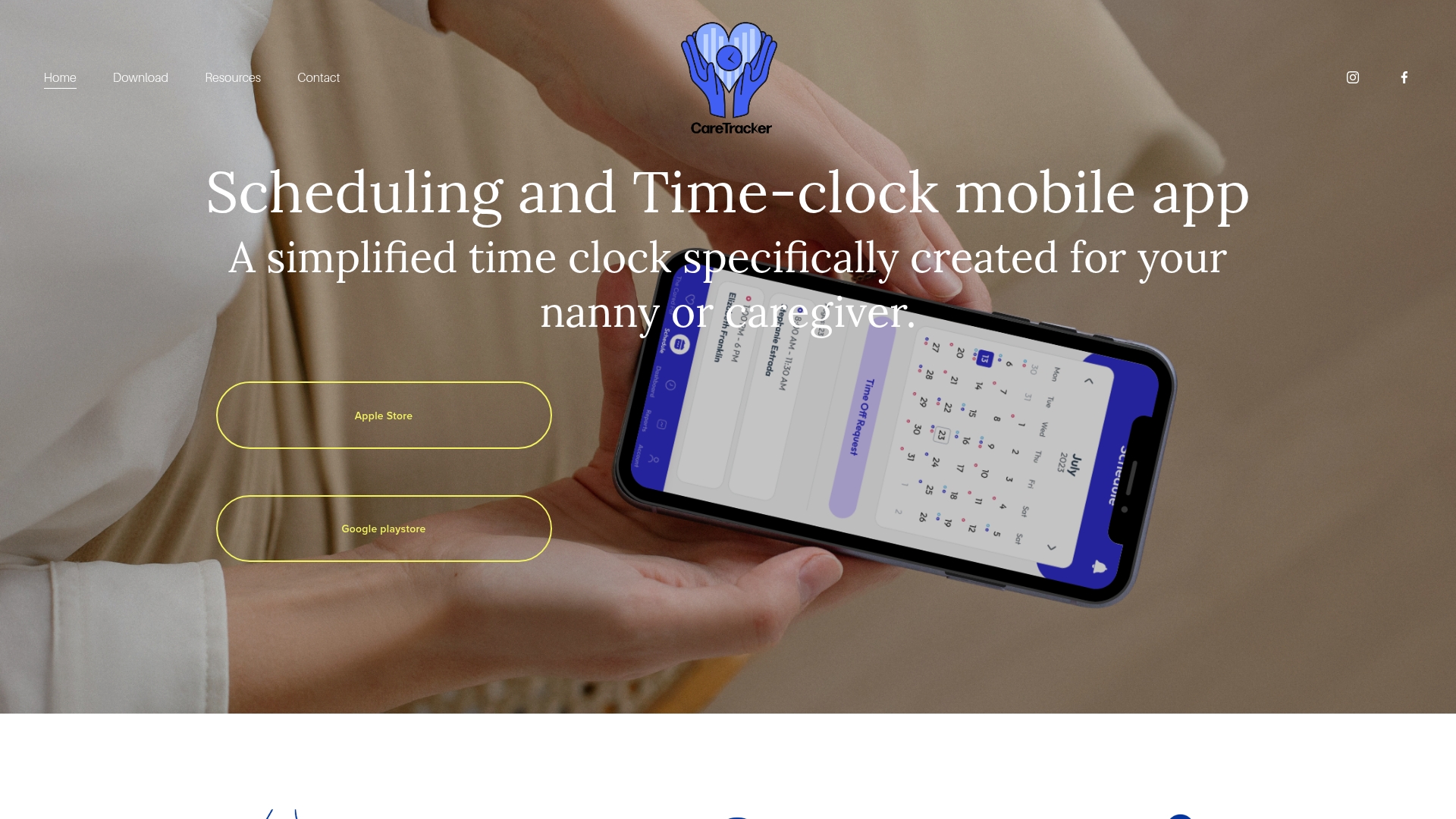
We built our app around the exact gaps that slow down a caregiver's first weeks: a shared care profile, a calendar that holds real shifts instead of generic blocks, and time tracking that removes guesswork from pay. Once a family invites a caregiver, the care profile puts allergies, medication dosages, emergency contacts, and nap or nursing schedules one tap away, so nobody is searching old texts during a stressful moment.
Our core features include:
- Shared care profiles with medications, allergies, and emergency contacts
- A unified calendar for schedule requests and shift approvals
- Accurate weekly time tracking tied to each caregiver's hours
- Instant access to care details from any shift, not just the first one
Caregiver access to our scheduling and time-tracking app is free, and families who need help with prior wage reporting or household payroll cleanup can book our Premium consultation for $150 one-time.
FAQ
How long should caregiver onboarding take?
Most of the setup work, app invites, care profile fields, and the one-page handoff, takes under an hour total. The trial period itself typically runs two to four weeks with scheduled check-ins throughout.
What's the minimum information a family must share on day one?
At minimum, share medication names and dosages, allergy reactions, emergency contacts, and the daily nap or meal schedule. A one-page handoff checklist covers these fields in a format a caregiver can read in a few minutes.
Who is responsible for documenting household rules and routines?
The family typically writes the manual and routines since they know the household best, while the caregiver contributes notes on what's working or unclear during check-ins. APNA guidance notes that family manuals and shared notes meaningfully improve a caregiver's effectiveness from day one.
Should check-ins during the trial period be paid?
Yes, check-ins that happen outside normal working hours should generally be paid, since household employment guidance recommends compensating that time to keep the arrangement fair and professional.
Does a written work agreement matter during onboarding?
Yes, a written work agreement clarifies expectations around hours, duties, and pay before problems arise. The International Nanny Association recommends putting this agreement in writing along with reference and background checks as part of onboarding a household employee.
Sources
- Creating a Smooth Onboarding Process for Nannies and Families - The Association of Premier Nanny Agencies
- Onboarding a New Household Employee – International Nanny Association
- Agreements, Contracts, and Expectations — Trustline