
A household employee handbook is a short, employee-facing document that spells out job duties, schedule and time-tracking rules, pay and overtime terms, emergency care instructions, and communication or house rules. It should be signed by both parties and kept where the caregiver can reach it. A good one runs 5 to 10 pages and comes with a template you can copy, fill in, and start using this week.
TL;DR:
- Clear documentation of duties should specify tasks with exact times and actions to prevent disputes, especially in childcare routines.
- Logging and approving hours daily with digital tools like scheduling apps reduces pay conflicts and ensures accurate tracking of guaranteed and flexible hours.
- The handbook must explicitly state pay rates, overtime rules, and reimbursement processes, with records kept for at least three years to prevent misunderstandings.
- Emergency information should include contacts, allergies, medications, and signed permissions to ensure quick, informed responses during crises.
- Regular updates, short review periods, and signed acknowledgments help keep the handbook relevant, practical, and enforceable to foster a smooth caregiver-employer relationship.
Table of Contents
- What Goes in the Job Duties Section of a Household Employee Handbook?
- How Do You Track Schedule and Hours in a Household Employee Handbook?
- What Should the Pay and Overtime Section Say?
- What Emergency and Medical Information Should Be Included?
- How Should Communication and House Rules Be Set?
- How Often Should a Household Employee Handbook Be Updated?
- A Caregiver's Take on Keeping the Handbook Useful
- Try TheCareTracker for Your Schedule and Hours
- Where to Find Templates and Official Guidance
- Sources
- FAQ
What Goes in the Job Duties Section of a Household Employee Handbook?
Vague duties cause more disputes than any other handbook gap. Write tasks with a specific verb and a specific time, not a general category. "Prepare lunch for the kids at noon" tells a caregiver exactly what to do; "help with meals" does not.
For childcare, spell out feeding times, nap schedules, diapering routines, homework help windows, and which activities are pre-approved versus which need a text first, using tools like a baby milestone tracker benefits for first-time parents to keep things organized. For household tasks tied to the children, list things like washing kids' laundry, prepping their meals, and tidying play areas, since these are common gray zones between nanny duties and general housekeeping.
A clear duty list should include:
- Daily care tasks: feeding times, nap windows, diaper or bathroom routines, and screen-time limits.
- Transportation rules: who drives, car seat requirements, and mileage reimbursement rate for errands.
- Household tasks tied to care: children's laundry, meal prep for kids, light cleanup of play spaces.
- What's not included: heavy cleaning, cooking for adults, pet care, or errands unrelated to the children, unless separately agreed and paid.
The INA's recommended practices for nanny employers push for exactly this kind of written specificity, since a duty list only works when both sides read it the same way.
How Do You Track Schedule and Hours in a Household Employee Handbook?
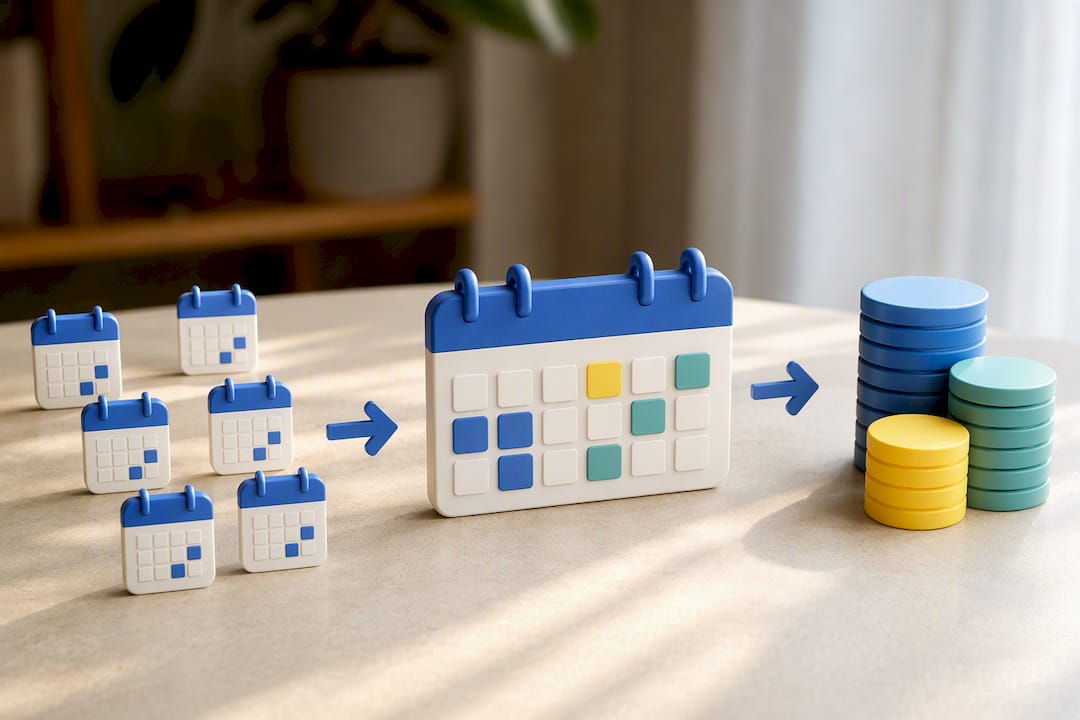
Guaranteed hours are the hours a family commits to paying you for, whether or not they end up needed. Flexible hours shift week to week, and every shift should get logged the moment it happens, not reconstructed from memory on Friday.
A workable process looks like this:
- Log start and end times daily, including any unpaid break.
- Submit hours weekly for the employer's approval, ideally by the same day each week.
- Note any schedule change (early pickup, added evening, canceled shift) directly on the timesheet.
- Keep both a digital and printed copy of the current week's schedule somewhere visible.
Pro Tip: Never rely on memory for hours worked two days ago. A quick end-of-shift note takes 30 seconds and saves an awkward pay dispute later.
A shared family calendar helps everyone see the plan at a glance, but paper timesheets get lost and text-message hour tallies get disputed. TheCareTracker's scheduling app lets caregivers submit and approve schedule requests, see every job in one calendar, and log hours as they happen instead of reconstructing them. CareTracker's own nanny timesheet template is a solid starting point if you'd rather work from a document first.
What Should the Pay and Overtime Section Say?
State the gross hourly wage in dollars, the pay period (weekly or biweekly), and the payment method, whether that's direct deposit, check, or payroll app. Ambiguity here is the single most common source of caregiver pay disputes.
Overtime for most household employees means time-and-a-half after 40 hours in a workweek. Live-in arrangements and certain caregiving roles carry different rules, so when a schedule gets complicated, point back to the DOL's FLSA guidance for domestic workers rather than guessing.
The pay section should cover:
- Gross hourly rate and pay date, written as a dollar figure, not "competitive" or "market rate."
- Overtime calculation: 1.5x the regular rate for hours over 40 in a week.
- Reimbursements: mileage at the current IRS standard rate, plus how petty cash and receipts get submitted and repaid.
- Bonuses, raises, and PTO: how often reviews happen and what triggers a raise.
- Recordkeeping: both employer and caregiver should keep copies of pay stubs and timesheets for at least three years.
The DOL's sample nanny agreement includes pay and leave language you can adapt directly into this section.
What Emergency and Medical Information Should Be Included?
This section can be the difference between a calm response and a panicked one. Every handbook needs a page listing primary care provider contact information, parent and backup emergency contacts, and any specialist the child sees regularly.
For each child, document allergies, current medications, and dosing instructions, with a signed permission slip covering what you're authorized to administer.
- Call 911 first for any injury involving unconsciousness, breathing trouble, or heavy bleeding, then notify parents.
- For allergic reactions, locate the EpiPen or prescribed medication (its home location should be written in the handbook) and administer per signed instructions before calling parents.
- For unexpected illness without visible emergency signs, call the parent or listed backup contact first.
- Know where medical supplies, insurance cards, and consent forms live in the home before you ever need them.
How Should Communication and House Rules Be Set?
Most friction between families and caregivers comes from unstated expectations, not bad behavior. Put the ground rules in writing so nobody has to guess.
- Daily updates: an end-of-day text or note covering meals, naps, mood, and anything unusual; reserve phone calls for urgent matters only.
- Personal devices: phones stay off or silenced during active care hours, checked only during scheduled downtime.
- Photos and social media: no posting photos of the children without written parent consent, every time.
- House rules: alarm codes, key handling, guest policy, and a confidentiality clause covering anything seen or heard in the home.
How Often Should a Household Employee Handbook Be Updated?
A handbook is only useful if it reflects how the job actually runs, which means it needs a light but consistent update rhythm.
- Plan one to two weeks of hands-on overlap with the outgoing caregiver or parent before working solo.
- Schedule short check-ins at 30, 60, and 90 days to cover what's working and what needs adjusting.
- Review and revise the full handbook annually, or immediately after any major role change.
- Close with a signed acknowledgment page: "I have received, read, and understood this handbook," with a date and both signatures.
This structured onboarding rhythm, backed by practical nanny-onboarding research, consistently prevents the early misunderstandings that lead to fast turnover.
A Caregiver's Take on Keeping the Handbook Useful
A five-page handbook that actually gets read beats a thirty-page one that sits in a drawer. The families and caregivers who avoid disputes are the ones who check in weekly, not the ones with the longest document. Pair a short written handbook with a shared calendar and a timesheet that both sides approve every week, and most conflicts never get the chance to start. Care-profile and hour-tracking features can work well for exactly this kind of routine upkeep.
— mercedes
Try TheCareTracker for Your Schedule and Hours
Some apps are free for caregivers, unlike most tools in this space that charge for basic scheduling. If you're tired of texting hours back and forth or losing track of which family approved what shift, this closes that gap directly.
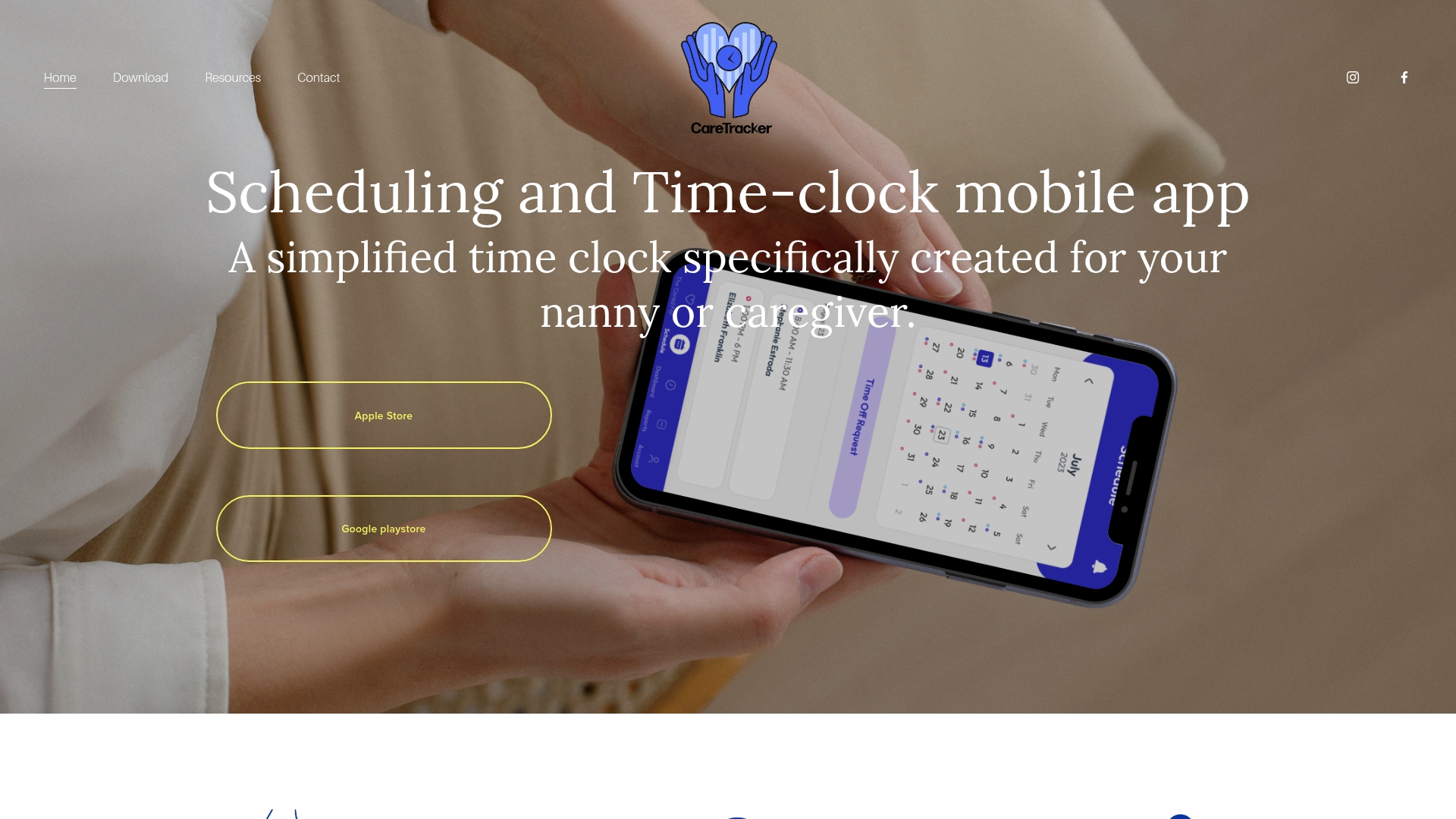
Some apps let you receive and approve schedule requests, see every job in one calendar, and log weekly hours accurately instead of reconstructing them from memory. They may also provide access to each child's allergies, medications, emergency contacts, nap and nursing schedules, and daily activities, so the handbook information you fought to document lives right on your phone. Families who need help getting payroll and prior wage reporting in order can look into TheCareTracker's payroll consultation services, including the standard payroll consultation package. For caregivers, start with the free scheduling and time-clock app and get your first week's hours tracked accurately from day one.
Where to Find Templates and Official Guidance
For a legal foundation, start with the DOL's sample nanny employment agreement. For handbook content, lean on the INA's recommended practices and the National Domestic Workers Alliance's nanny employment guide. For daily hour tracking, CareTracker's nanny schedule template rounds out the set.
Sources
- Employment Sample Agreement for Nannies (DOL)
- Nanny Employment Guide (National Domestic Workers Alliance / Hand in Hand)
FAQ
Does a Household Employee Handbook Need to Cover Overtime?
Yes. It should state that hours over 40 in a workweek are paid at time-and-a-half, with a note to check DOL guidance for live-in or special caregiving arrangements.
Who Approves Schedule Changes and Extra Hours?
The employer approves any change to guaranteed hours or added shifts, ideally in writing or through a shared tool like TheCareTracker's scheduling app so both sides have a record.
How Long Should Pay Records Be Kept?
Both the caregiver and the household employer should keep timesheets and pay stubs for at least three years in case questions come up later.
Who Has Authority to Make Emergency Medical Decisions?
The caregiver acts on signed permissions already on file, calling 911 first for serious emergencies and the parent or backup contact for anything less urgent.
How Long Should a Household Employee Handbook Be?
Most practitioner guides recommend 5 to 10 pages, since a short, focused handbook actually gets read and followed, unlike a long manual that sits unused.