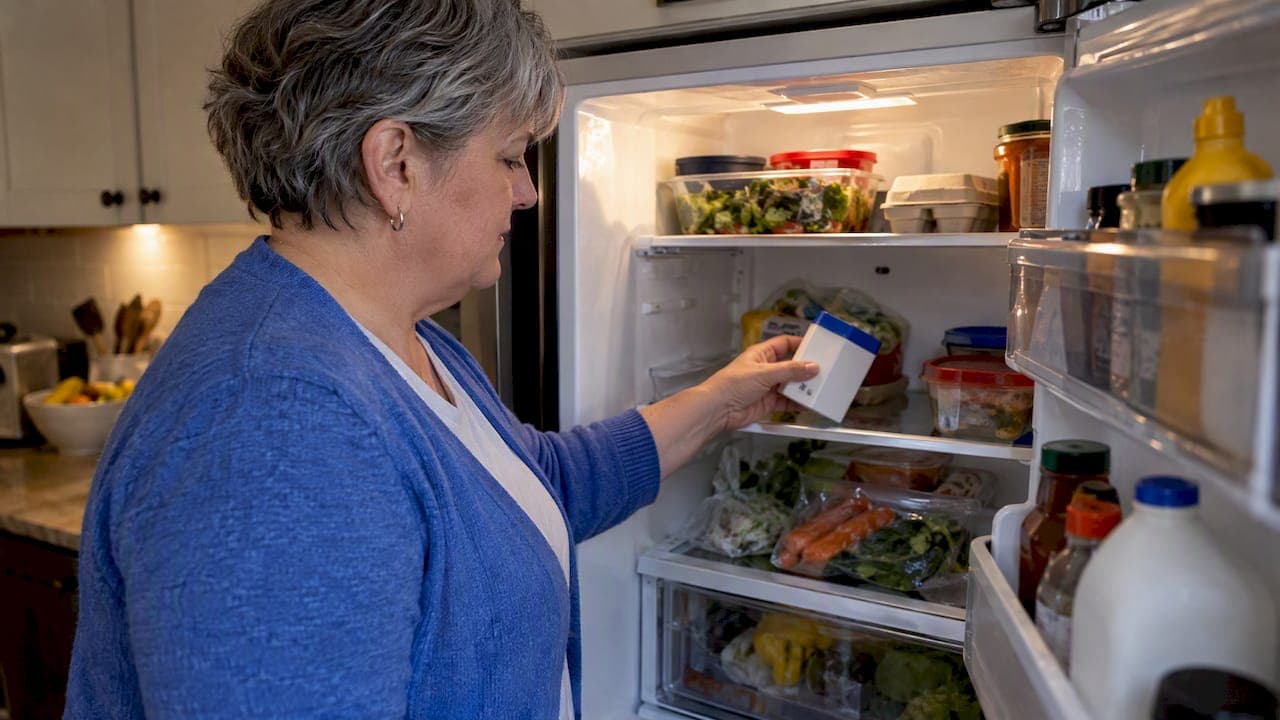
Store medicines in a cool, dry, dark place such as a bedroom closet or a high pantry shelf, never in the bathroom or above the stove. Keep every medication in its original child-resistant container, and lock up controlled substances and anything that could cause serious harm. Temperature-sensitive drugs like insulin follow their own rules, so always check the product label before you find a spot for them.
TL;DR:
- Most medicines tolerate 59°F to 77°F, but unopened insulin generally needs refrigeration at 36°F to 46°F; check each product insert for its room temperature limit.
- CDC research found that more than half of pediatric medication exposures involved pills outside original containers; keep all organizers locked away.
- After a dosing error, call Poison Help immediately and keep the original container nearby so specialists can identify the medicine and strength.
- TSA permits medically necessary liquids above 3.4 ounces, but travelers must declare them for screening; keep insulin in hand luggage with ice packs.
- Use an authorized medicine take back site when available; otherwise mix pills with used coffee grounds or cat litter, seal them, and discard them.
Table of Contents
- Where to keep medicine in your home (and what to avoid)
- Temperature rules for insulin and other sensitive medications
- Keeping medications away from kids and unauthorized access
- Disposing of unused medications and preventing misuse at home
- Traveling with medications: TSA rules and packing tips
- A caregiver-ready checklist for daily, weekly, and emergency med safety
- Labeling medications and tracking expiration dates clearly
- How caregivers can double-check doses and avoid administration errors
- What to do if a dose is missed or given incorrectly
- Why small habits matter more than a perfect system
- How TheCareTracker keeps medication details organized for caregivers
- FAQ
- Sources
Where to keep medicine in your home (and what to avoid)
The bathroom medicine cabinet is the worst place in the house for most medications. Heat and steam from showers raise humidity, and that moisture speeds up the breakdown of many pills and capsules. A cabinet above or near the stove has the same problem, plus added heat exposure every time someone cooks.
MedlinePlus recommends a dresser drawer or closet instead: somewhere cool, dry, and away from direct sunlight. A high shelf in a pantry works too, as long as it's not next to the oven or dishwasher vents. Wherever you land, keep the original container, including the label with dosing instructions and the pharmacy's contact information.
- Remove the cotton ball from a newly opened bottle; it traps moisture and can speed up degradation.
- Mark any high-risk or controlled medication for locked storage, separate from everyday vitamins and over-the-counter drugs.
- Choose a spot that stays at a consistent temperature year-round, not a garage or car that swings with the weather.
Pro Tip: Stick a small note inside your chosen cabinet listing which medications need refrigeration, so nothing ends up in the wrong spot during a busy morning.
Temperature rules for insulin and other sensitive medications
Most medications do best at room temperature, generally between 59°F and 77°F, according to MedlinePlus. Extreme heat or cold can reduce potency even if a pill looks and smells normal.
Insulin needs closer attention. Unopened insulin typically belongs in the refrigerator at 36°F to 46°F, according to FDA guidance, while many products allow a limited room-temperature window once opened. Freezing ruins insulin completely, so it never belongs in a freezer or near a cold car window in winter.
- Check the product insert for the exact refrigerated and room-temperature windows, since they vary by brand.
- Never freeze insulin, and avoid leaving it in direct sunlight or a hot car.
- After a power outage or flood, check for damage, contact your pharmacist or the manufacturer, and discard anything that may have been compromised.
If you lose refrigeration during an outage, the FDA's disaster guidance recommends a cooler with ice packs as a short-term fix while you sort out next steps.
Keeping medications away from kids and unauthorized access
Child-resistant caps slow children down, but they don't guarantee safety on their own. The CDC's Protect Initiative is clear that the real protection comes from combining those caps with storage that's genuinely up and away and out of sight, not just out of reach on a low shelf.
- Store every medication up and away, ideally in a cabinet a young child can't see or climb to reach.
- Skip the temptation to transfer pills into baggies or weekly organizers if small children live in or visit your home. CDC research found that more than half of pediatric medication exposures involved pills that had been removed from their original containers.
- If you use a pill organizer for convenience, choose a child-resistant version and keep it in the same locked location as everything else.
- Lock controlled substances and anything else with abuse potential, and never leave a purse, backpack, or coat pocket with medication inside it within a child's reach.
Pro Tip: If grandparents or visitors are staying over, ask where they keep their own medications and offer a locked spot in your home for the duration of the visit.
Disposing of unused medications and preventing misuse at home
Unused pills sitting in a cabinet are a quiet risk, whether through accidental ingestion or deliberate misuse by a teenager or visitor. The CDC recommends using an authorized take-back location whenever one is available, including DEA-sponsored take-back events and many local pharmacies.
- Search for a nearby DEA or municipal take-back site before resorting to home disposal.
- When no take-back option exists, mix the medication with something inedible like used coffee grounds or cat litter, seal it in a bag, and place it in household trash, scratching out personal information on the label first.
- Keep a simple running count of controlled substances so a missing dose gets noticed quickly rather than months later.
- Store anything you're not actively using in the same locked space as your active medications, not in a junk drawer.
Traveling with medications: TSA rules and packing tips
Medically necessary liquids and larger quantities of medication are allowed through airport security beyond the standard 3.4-ounce limit, but TSA guidance asks you to declare them to an officer and separate them for screening. Keeping medications in their original labeled containers makes this faster, though a copy of the prescription works if you've repackaged doses for the trip.
- Pack temperature-sensitive medications like insulin in your carry-on with a travel cooler or ice packs, never in checked luggage.
- Bring a few extra doses beyond what you expect to need, in case of flight delays.
- If you're traveling with young children, a potty training travel checklist can help you pack efficiently without crowding out space for a medication bag.
A caregiver-ready checklist for daily, weekly, and emergency med safety
Good habits matter more than a perfect storage setup. A few minutes a day prevents most mistakes.
- Daily: Relock the cabinet after every use, return medications to their storage spot immediately, and jot down doses given in a caregiver handoff log.
- Weekly: Do a quick inventory, check expiration dates, and confirm the refrigerator is holding a safe temperature for any refrigerated medication.
- Emergency-ready: Keep a printed medication list, copies of prescriptions, and contact numbers for the pharmacy and insurer somewhere easy to grab, along with Poison Help at 1-800-222-1222.
Pro Tip: Set a recurring weekly reminder on your phone for the inventory check. It takes less time than making coffee and catches problems before they become emergencies.
Labeling medications and tracking expiration dates clearly
Every container should keep its original label: drug name, dosage, prescribing doctor, and pharmacy phone number. If you repackage doses into a pill organizer for the week, write the expiration date somewhere visible rather than relying on memory, since FDA guidance on repackaging notes that transferred medications lose the protection and dating information printed on the original bottle.

A simple habit helps here: check expiration dates during your weekly inventory and set aside anything that's expired for proper disposal. Expired medication isn't just less effective; some formulations change chemically over time in ways that aren't obvious from appearance alone.
For households juggling multiple family members' prescriptions, a shared written or digital list prevents confusion, especially when more than one caregiver is involved. Noting the date a prescription was filled, the expected refill date, and the expiration printed on the bottle gives everyone the same reference point. This matters even more in multi-caregiver households, where one person's assumption that "someone else checked" is how expired medication ends up given by mistake.
How caregivers can double-check doses and avoid administration errors
Giving the wrong dose or the wrong medication is one of the most common and most preventable mistakes in home caregiving. A short verification habit, checking the label against the care plan every single time, catches most errors before they happen.
Caregivers benefit from a written schedule that spells out the medication name, dose, and time, rather than relying on memory or a verbal handoff from a previous shift. Logging each dose immediately after giving it, rather than at the end of a shift, reduces the chance of a double dose or a missed one. A medication log that every authorized caregiver can see and update keeps the whole team working from the same information.

Families with multiple caregivers, whether rotating nannies, family members, or a home health aide, should put dosing authorization in writing. A clear medication authorization document spells out who is allowed to administer what, and under what circumstances, which removes guesswork during a shift change. When something looks off, like a dose that was already logged or a medication that doesn't match the written plan, the right move is to pause and confirm rather than proceed on assumption.
What to do if a dose is missed or given incorrectly
A missed dose isn't automatically an emergency, but it needs a quick, calm response rather than a guess. Check the medication's instructions or call the prescribing doctor or pharmacist to ask whether to give the dose late, skip it, or double up at the next scheduled time. Never double a dose without guidance, since that decision depends on the specific medication.
If a medication was given incorrectly, whether the wrong dose, the wrong drug, or given to the wrong person, call Poison Help at 1-800-222-1222 right away. The poison control line is staffed by professionals who can tell you within minutes whether the situation needs emergency care or can be managed at home, and they're available around the clock.
Keep the original medication container on hand when you call, since the exact drug name, strength, and quantity involved helps the poison control specialist assess the situation accurately. After any dosing error, log what happened in your caregiver notes immediately, including the time and what was given, so the family and any other caregivers have a complete, accurate record rather than a secondhand account pieced together later.
Why small habits matter more than a perfect system
Perfect storage setups fall apart under real life: a rushed morning, a houseguest, a new babysitter who doesn't know your system yet. What actually keeps a household safe is a tiny set of habits repeated without exception: relock the cabinet, log the dose, put the pill organizer back where it belongs.
Teach-and-remind moments work better than lectures. A quick "this cabinet stays locked" comment to a visiting relative, or a two-minute walkthrough with a new caregiver, does more than a written policy nobody reads. Templates and logs help turn good intentions into consistent practice, and that consistency is what actually prevents the kind of mistake that ends up as a 2 AM phone call.
— mercedes
How TheCareTracker keeps medication details organized for caregivers
Storage habits work best when everyone involved in a child's or family member's care has the same information at their fingertips. Our app lets authorized caregivers pull up medication lists, dosing schedules, allergies, and emergency contacts the moment they need them, instead of hunting for a sticky note or texting a parent mid-shift.

Shared logs and handoff notes cut down on the two biggest causes of medication mistakes: miscommunication between caregivers and medications left out of storage because someone forgot where they put them.
- View allergy and medication details instantly, shared directly by the family.
- Track hours and shifts in one calendar so handoffs happen on schedule, not in a rush.
- Keep emergency contacts and nap or nursing schedules in the same place as medication notes.
Our scheduling and time-clock app is free for caregivers to use, and it's built around the kind of shared information that makes medication safety a team effort rather than a guessing game.
This article is general information, not a substitute for advice from a qualified doctor. Consult a qualified healthcare professional about your own circumstances before acting on anything here.
FAQ
Where is the best place to store medication at home?
A cool, dry, dark spot like a bedroom closet or a high pantry shelf away from the stove works best for most medications, according to MedlinePlus. Bathroom cabinets should be avoided because shower steam raises humidity and can degrade pills over time.
Can I mix pills in the same container?
Pills should stay in their original labeled containers whenever possible, since mixing medications into one container removes dosing information and increases the risk of giving the wrong drug. If you use a pill organizer for weekly doses, choose a child-resistant version and keep the original bottles for reference.
What is the correct storage of medications?
Correct storage means keeping medicines in their original child-resistant containers, in a cool and dry place away from heat and light, stored up and away and out of sight of children, according to the CDC. Temperature-sensitive medications like insulin need refrigeration between 36°F and 46°F, per FDA guidance, and controlled substances should be locked separately.
Do pills have to be in original bottles when flying?
Medications don't strictly have to be in original bottles to fly, but the TSA recommends it and asks travelers to declare medically necessary liquids and medications for separate screening. Keeping a copy of the prescription on hand helps if a medication has been repackaged for travel.
Sources
The guidance in this article draws on official recommendations from federal health and safety agencies. These pages are worth bookmarking if you want product-specific detail beyond what's covered here, and a pharmacist or manufacturer can answer questions specific to a particular medication.
- Information regarding insulin storage and switching between products in an emergency — FDA
- Storing your medicines — MedlinePlus Medical Encyclopedia
- Medications and liquid rules — TSA