
To manage multiple nannies well, standardize your vetting and matching, centralize scheduling and communication, train every caregiver the same way, and keep a backup bench ready. Start this week with three moves: one schedule source, one reusable vetting checklist, and primary-caregiver assignments. Pair them with International Nanny Association (INA) guidance and IRS Publication 926 for household-employer basics, and our TheCareTracker app to keep it all in one place.
TL;DR:
- Use the same screening checklist for every candidate, match against a family intake form, and ask references how nannies handled specific situations.
- Give every nanny the same onboarding, paid trial shift, and recurring training; track CPR renewals and certification expiry dates before assigning active placements.
- Keep schedules, care profiles, medication updates, and emergency contacts in one shared system, with named owners, change alerts, daily notes, and incident reports.
- Assign each child a primary caregiver, schedule overlap for handoffs, and maintain a vetted regional backup roster with substitution pay agreed in advance.
- Families are household employers when they control the work and how it is done; use written agreements and refer complex tax questions to specialists.
Table of Contents
- How do you vet and match nannies without creating bottlenecks?
- What onboarding and training should every nanny complete?
- How should families, nannies, and coordinators share information?
- How do you schedule and roster multiple nannies at scale?
- What keeps nannies from leaving?
- How do you handle conflict, feedback, and reassignment?
- What legal and payroll basics should you coach families on?
- What does your emergency and backup plan look like?
- A coordinator's view: simple systems win
- How our app and payroll consultations simplify multi-nanny operations
- FAQ
- Sources
How do you vet and match nannies without creating bottlenecks?
A repeatable workflow beats gut instinct once you place more than a handful of nannies. Run every candidate through the same screening checklist, then match against a written family intake form.
- Background check and identity verification
- Certifications such as CPR and first aid
- Driving record, if the role includes transport
- Languages spoken
- Special-needs or multiples experience
- Availability by day and time
Reference checks are where fit shows up. Practitioners cited by the International Nanny Association report that open-ended questions about handling specific, non-routine responsibilities reveal more than closed questions about performance. Ask "Tell me about a time a child refused to nap and the parents were out of reach" instead of "Was she reliable?"
On the family side, an intake form should capture routines, nap and feeding rhythms, primary-caregiver preference, and trial shift parameters. If a family is also building a newborn schedule, this daily routine guide for new parents is a useful handout to send before intake.
Store every candidate profile and match note in one central place. Repeat placements go faster, and your bench builds itself.
What onboarding and training should every nanny complete?
Consistency is the goal. A nanny placed in March and one placed in September should receive the same foundation.
Collect paperwork, emergency contacts, and signed policies during the initial onboarding period. 2. Days 4–7: Create the care profile for each child and set up the care system on the nanny's phone. Run a shadow or paid trial shift with the family present during onboarding. Hold a check-in, review care notes, and confirm the schedule works after onboarding.
After onboarding, set a recurring training calendar: relationship-based care, safe sleep and CPR refreshers, behavior strategies, and documentation and incident reporting. Track completions and certification expiry dates in your central system. When a family asks whether a nanny's CPR is current, you answer in seconds, and you avoid placing someone with a lapsed credential.

Pro Tip: Set a calendar reminder well before each certification expires so renewals never slip into an active placement.
How should families, nannies, and coordinators share information?
Pick a single source of truth for schedules, care profiles, allergies and medications, and emergency contacts. Then give each item an owner, so nobody wonders who update what.
- Schedules: The coordinator owns the master calendar; families request changes through it.
- Care profiles: Families own accuracy; nannies flag anything outdated.
- Allergies and medications: Families update; the coordinator confirms every nanny has seen changes.
- Emergency contacts: Reviewed regularly by the coordinator.
Build a rhythm on top of that: push alerts for schedule changes, a short daily care note from each nanny, a weekly coordinator summary, and an incident report when something happens. Centralized digital care profiles and logs cut the repeated "where does she keep the inhaler?" questions and make accountability visible. Our caregiver scheduling guide walks through setting up this kind of workflow in an app.
How do you schedule and roster multiple nannies at scale?
Start with primary-caregiver assignments. Federal infant and toddler guidance on primary caregiving notes that a designated primary caregiver stabilizes a child's routines, so structure schedules to keep that relationship consistent even when other nannies cover gaps.
- Shift templates: Build standard shifts per family, and change them only through the coordinator.
- Overlap windows: Schedule an overlap where outgoing and incoming nannies are both present for handoffs.
- Guaranteed hours and overtime: Write minimum hours and overtime thresholds into each agreement, and track hours weekly with a tool like our nanny time tracking.
- Bench roster: Keep a vetted substitute bench per region, set substitution pay in advance, and run regular availability checks.
Time-off requests go through one channel, with approvals visible to every affected family.
What keeps nannies from leaving?
Churn is expensive because every departure disrupts a child's attachments. The same infant and toddler guidance on small group care recommends primary caregiving and written policies that keep children with the same caregiver. Prioritizing that stability benefits families and gives nannies steadier work.
- Routine check-ins, monthly at minimum
- Transparent pay schedules, paid on the same day every cycle
- Predictable hours and clear PTO policies
- Recognition: a note to the family, a bonus, or a milestone gift
Watch for burnout signals: rising sick-day requests, shorter care notes, missed handoffs, or a nanny covering too many sub shifts. Rebalance by shifting a cover shift to a bench nanny.
Pro Tip: Ask each nanny at every check-in: "What change would make your week easier?" Then act on the feedback promptly.
How do you handle conflict, feedback, and reassignment?
Use a three-step workflow so every incident is handled the same way.
- Document: The nanny or family files a written report promptly, and the coordinator notifies the other party as soon as possible.
- Mediate: Hold a conversation with both sides as soon as possible, focused on facts and the child's needs.
- Decide: Choose coaching, schedule adjustment, reassignment, or termination, and put the outcome in writing.
Set a regular feedback cadence, with reviews at appropriate intervals and then annually. Track a few KPIs: punctuality, care-note completion, family satisfaction, and certification status. Recommend reassignment when the issue is fit; recommend termination when safety, honesty, or repeated policy breaches are involved. Either way, protect the child's continuity first.
What legal and payroll basics should you coach families on?
Most families who hire a nanny are household employers. The IRS explains in Publication 926 that a household worker is an employee when the family controls what work is done and how, and it details the tax responsibilities that follow. The IRS also covers employment taxes for household employees and the Schedule H instructions for reporting.
Your role is coaching, not tax advice:
- Recommend a written work agreement covering hours, pay, overtime, and termination notice, in line with INA placement-agency guidance.
- Disclose your fees and services in writing.
- Point families to our nanny payroll setup guide for the practical steps.
- Escalate to a specialist when a family has several household employees or complicated overtime.
Household employer status depends on control over the work. That single test, spelled out in IRS Publication 926, is the one families most often get wrong.
What does your emergency and backup plan look like?
Write it down before you need it.
- A documented backup roster per region, with substitution pay agreed in advance
- Cross-training so any bench nanny can run a family's core routines
- An emergency folder every caregiver can open: contact list, care notes, keys and access details, health information
- Clear notice steps for families requesting a replacement, plus a trial substitution before an emergency forces one
A coordinator's view: simple systems win
Agencies rarely lose placements to bad nannies. They lose them to missed handoffs and scattered information. Once a team moves everything to one calendar and one checklist, coordination time drops and nannies stay longer, because the work feels predictable. Start small and standardize one thing a week.
— mercedes
How our app and payroll consultations simplify multi-nanny operations
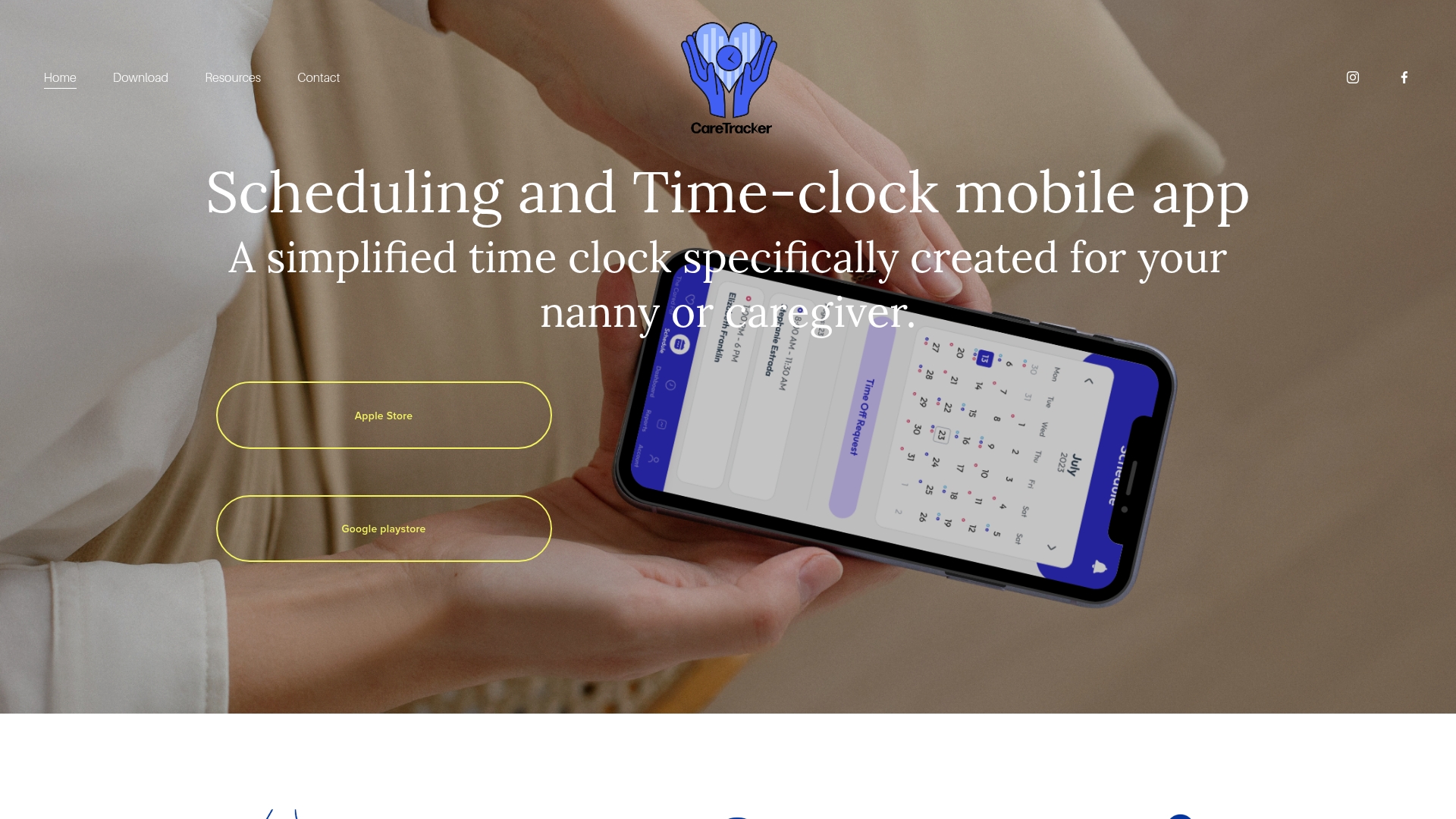
We built our scheduling and time-clock app to help families and caregivers manage schedules and track hours. It is free for caregivers.
- A unified calendar with schedule approvals, time tracking, and shared care profiles in our scheduling and time-clock app
- A payroll consultation at $150 one-off for families facing household payroll complexity
Set up your first shared calendar today, and book a consultation when payroll gets complicated.
FAQ
Should I run a trial shift before a full placement?
Yes. A paid trial shift with the family present shows how a nanny handles real routines and lets both sides raise concerns early. Define the length, pay, and evaluation points in advance.
How many children can one nanny look after?
It depends on the children's ages, needs, and local rules. Federal licensing trends show most states cap children per provider in family child care homes, so check your state before advising a family.
What should a nanny work agreement include?
Hours, pay rate, overtime, paid time off, duties, and termination notice. INA placement guidance encourages written agreements with both clients and caregivers.
How should families handle overtime pay?
Agree on overtime terms in writing before the first shift, and track hours accurately every week. For rules specific to your situation, point families to a payroll specialist.
Sources
- Childcareta
- Publication 926 (2026), Household Employer’s Tax Guide | Internal Revenue Service
- RP Placement Agencies
- Hiring a Nanny – International Nanny Association