
A nanny shift swap is when a family or caregiver trades scheduled hours with another family or caregiver to cover a gap, usually without changing the child's regular routine or care team. It works well between trusted peers for occasional, unpaid coverage, but turns into paid work once money changes hands, which brings in pay and tax rules. This guide walks through safety checks, pay basics, scheduling steps, and a short agreement template.
TL;DR:
- Most swaps should be clearly documented in writing, including names, dates, pay or reciprocity terms, and specific duties, to prevent disputes.
- Background checks, references, and confirmation of emergency details are essential before agreeing to a new caregiver, especially for paid swaps.
- Once a swap involves payment, it creates a household employer relationship that requires accurate record-keeping for hours worked and reimbursements.
- Using shared calendars and a dedicated app like TheCareTracker can streamline approval, scheduling, hour logging, and care details to avoid mistakes.
- A simple written agreement and consistent tracking habits significantly reduce miscommunication and help facilitate smooth, safe swaps.
Table of Contents
- What a swap looks like and common swap models
- Step-by-step: how to propose, negotiate, and confirm a swap
- Safety, vetting, and red flags to check before agreeing to a swap
- Pay, household employer obligations, and record-keeping when swaps turn into paid work
- Tools and communication practices that reduce mistakes
- Sample swap agreement checklist and short template items
- Alternatives to swaps: nanny share, babysitting co-op, and professional backup care
- What one bad swap taught a nanny about writing things down
- TheCareTracker: how it helps coordinate swaps
- Sources
- FAQ
What a swap looks like and common swap models
Not every swap works the same way, and picking the wrong model for your situation is where most problems start. Some swaps stay informal between two families who trust each other; others involve paid coverage between nannies who barely know each other outside a parenting group. Knowing which category you are in changes what you need to check before saying yes.
Three models cover most real-world situations:
- Reciprocal family swap: Two families with children of similar ages trade caregiving hours directly, often without any money involved, based on mutual favor and trust.
- Paid nanny trade: One nanny covers another nanny's shift for a family and gets paid directly by that family or reimbursed by the original nanny, which usually makes it paid work.
- Co-op arrangement: A group of families rotates coverage among several households, tracking hours owed instead of dollars, similar to a time bank.
Reciprocal swaps tend to work best between neighbors, relatives, or close friends who already know each other's parenting style and household routines. Paid trades are more common when a family finds a substitute through a parenting group or nanny network and expects to compensate that person for their time, just as they would their regular caregiver.
Co-ops require the most structure because more people are involved, but they also spread the workload so no single family carries the burden every week. Each model carries different boundaries. A reciprocal swap between friends might skip a formal contract, but a paid trade with a nanny you just met should never skip a background check, a clear pay rate, and a written understanding of duties. The type of swap you choose should match the level of trust you already have with the other party, not the other way around.
Step-by-step: how to propose, negotiate, and confirm a swap
Once you know which model fits your situation, the actual process of setting up a swap follows a fairly consistent sequence, whether you are the parent asking for help or the nanny offering to cover a shift.
- Identify the need and timeframe. Write down the exact dates, start and end times, and why you need coverage, so the other party can quickly judge if it works for them.
- Send a specific proposal. Instead of a vague message asking if someone is free, name the day, the hours, the child's basic needs, and whether you are offering pay or a future favor in return.
- Confirm pay or reciprocity upfront. Decide before the shift whether this is paid work, an even trade of hours, or a favor with no expectation of repayment, and say so in writing.
- Share logistics the caregiver needs. Cover meals, medication timing, allergies, nap or nursing schedules, and transportation plans, ideally through a shared note or app rather than a rushed verbal handoff.
- Run a quick vetting step if the person is new to you. Ask for a reference or check a background screening result before the first shift, especially for a paid trade with someone outside your existing circle.
- Document the agreement. Even a short text message confirming dates, pay, and duties creates a record both sides can refer back to if there is a disagreement later.
- Confirm again close to the date. A short check-in the day before catches last-minute changes and avoids a no-show.
The proposal stage is where most swaps succeed or fail. A message like "can you help me out sometime next week" invites confusion, while "I need coverage Tuesday from 3 to 7 PM for my 4-year-old, and I can pay $20 an hour or return the favor next month" gives the other person everything they need to say yes quickly.
Settling pay matters even when the swap feels casual. Two nannies trading hours might assume the arrangement is even, then realize one shift ran longer or involved more work, such as bath time or homework help. Naming the rate or the exchange terms before the shift removes that ambiguity.
Logistics deserve more attention than most people give them. A caregiver stepping in for a single shift does not have the routine memorized, so details that feel obvious to the regular nanny or parent, like when a toddler naps or which snacks are off-limits, need to be spelled out. A shared note in a scheduling app avoids the risk of a text getting buried or forgotten.
Pro Tip: Send swap details in writing, even for a same-day favor. A quick text with the date, time, and any special instructions takes thirty seconds and prevents a much longer conversation later.
Finalizing the agreement does not require a formal contract for every swap, but it should always leave a paper trail. A confirmation text, a shared calendar entry, or a note in a scheduling app all work. What matters is that both people can point to the same understanding of what was agreed if a question comes up afterward.
Safety, vetting, and red flags to check before agreeing to a swap
Trust is the foundation of any swap, but trust should be built on information, not assumption. Before letting someone new watch your child, or before agreeing to cover for a family you do not know well, a short vetting process protects everyone involved.
Licensed child care programs are required to run background checks before hiring and then at least once every five years, and those checks include a national FBI screening, a search of the National Sex Offender Registry, and state criminal and child-abuse registry searches, according to Childcare. That standard is a useful benchmark for informal swaps too. A nanny or family you are meeting for the first time through a parenting group should be willing to share a recent background check result or agree to one before the first shift.
Beyond the background check itself, a short interview and reference check fill in the gaps a screening cannot cover:
- Ask how the caregiver handles a child who refuses to nap, eat, or follow a routine, and listen for specific examples rather than general reassurance.
- Request at least one reference from a recent family or nanny they have worked with, and actually call them.
- Ask directly what they would do in a medical emergency, including whether they know CPR or basic first aid.
- Confirm who else lives in the home if the swap happens at their house.
A written policy exchange rounds out the vetting process. Childcare.gov's checklist for choosing family child care recommends asking about supervision during routines like meals and bathing, how sick days are handled, and how the provider shares daily updates with families, all of which apply just as well to a one-time swap as to ongoing care.
A background check re-run periodically is the standard for licensed programs. Childcare.gov notes that licensed child care programs must submit background check requests before hiring and then repeat them on that five-year cycle, a useful reference point when deciding how recent a swap partner's screening should be.
Scams are rare but real, especially when swaps get arranged through open parenting groups rather than personal networks. Childcare.gov flags rushed timelines, requests for payment before any work is done, and offers of pay far above typical local rates as common warning signs. If someone pressures you to skip the reference check or send money upfront before the first shift, treat that as a reason to slow down, not speed up.
Pay, household employer obligations, and record-keeping when swaps turn into paid work
The line between a favor and paid work is not always obvious, but it matters a great deal once tax season arrives. A reciprocal swap where two families trade hours evenly, with no money exchanged, generally stays outside employer reporting rules. The moment a family pays someone, even a small cash amount, for covering a shift, that payment can create a household employer relationship.
IRS Publication 926, the Household Employer's Tax Guide, names nannies and babysitters among common household workers and explains when a family that pays for care must report wages and handle employment taxes. A household employer who pays a nanny to cover a swapped shift is generally in the same position as if they had hired that person directly, which means Schedule H may apply when filing an annual tax return.
State overtime rules vary, so a family relying on a swap that pushes a caregiver's total hours for the week past a standard threshold should check their own state's labor rules rather than assume a blanket national rule applies. What stays consistent everywhere is the need to document hours worked and any reimbursements paid, whether for mileage, supplies, or meals purchased during the shift.
Good record-keeping habits prevent most disputes before they start:
- Log the exact start and end time of every swapped shift, not just the planned hours.
- Note any reimbursed expenses separately from the hourly pay.
- Keep a copy of the written proposal or confirmation message alongside the hours logged.
- Record whether the shift was paid, unpaid reciprocity, or a co-op time trade.
| Swap type | Typically paid? | Reporting consideration |
|---|---|---|
| Reciprocal family swap | Usually unpaid | Generally outside employer reporting rules |
| Paid nanny trade | Usually paid | May require household employer reporting under IRS Publication 926 |
| Co-op arrangement | Usually unpaid (time-based) | Generally outside employer reporting rules |
Even an informal swap can create taxable wages once a household pays for coverage, so the safest habit is to treat any paid shift as work worth documenting the same way a regular payroll period would be, rather than deciding after the fact whether it counted.
Tools and communication practices that reduce mistakes
Most swap disputes trace back to a missed message, an unconfirmed time, or an hours total nobody wrote down. A few habits and the right tool close most of those gaps before they open.
A shared calendar with a confirmation step, rather than a string of texts, keeps everyone looking at the same information. Read receipts or a simple "confirmed" reply removes the guesswork of whether the other person actually saw the request. An approval flow, where one party proposes a swap and the other has to accept it before it is considered final, avoids the awkward situation of one person assuming a shift is covered while the other never agreed to it.

Time tracking matters just as much as scheduling. A shift that runs fifteen minutes long here and there adds up, and without a record, both sides are left guessing at the end of the month. This is where a purpose-built app does more than a group text chain ever could.
TheCareTracker app lets caregivers and families handle swap logistics in one place instead of piecing them together across texts, calendars, and memory:
- Caregivers can receive and approve schedule requests directly in the app, creating a clear record of what was agreed.
- A unified calendar shows every job in one view, which matters when a nanny is covering shifts for more than one family.
- Hour tracking logs actual worked time accurately, which removes the guesswork from pay disputes tied to swapped shifts.
- Care information, including allergies, medications, emergency contacts, and nap or nursing schedules, is available instantly to whoever is covering the shift.
Pro Tip: For a last-minute swap, send a short message that names the date, time, and one key detail the covering caregiver needs to know right away, such as an allergy or a nap window, then follow up with the full details once the swap is confirmed.
A message template like "Can you cover Thursday 2 to 6 PM? Same pay rate, allergy info and nap schedule are in the app" gets a faster response than an open-ended ask, and it points the covering caregiver straight to the details they need instead of relying on a rushed phone call.
Sample swap agreement checklist and short template items
A written agreement does not need to be long to be useful. What matters is that it covers the handful of details that cause disputes when they are left unspoken.
- Names of both parties involved in the swap, including the family and the covering caregiver.
- Exact dates and times, including start and end, not just "the afternoon."
- Pay rate or reciprocity terms, stated as a dollar amount, an hours-for-hours trade, or an unpaid favor.
- Specific duties, such as meals, homework help, or bath time, especially if they differ from the regular routine.
- Emergency contacts and medical information, including allergies and medication timing.
- Cancellation policy, covering what happens if either side needs to back out close to the date.
To put this into practice:
- Draft the checklist items into a short message or note before the shift happens.
- Send it to the other party and ask for a written "confirmed" reply rather than assuming silence means agreement.
- Store the confirmation somewhere retrievable, whether that is a saved text thread, an email, or a note inside a scheduling app.
- If pay is involved and the arrangement becomes regular, treat it as ongoing household employment and consider getting payroll guidance rather than tracking it manually indefinitely.
For a one-time favor between neighbors, this checklist can live in a two-line text message. For a recurring paid trade, especially one that starts looking like a regular part-time arrangement, it is worth treating more formally and getting help from a payroll professional who understands household employer rules, since informal tracking becomes harder to defend if a tax question comes up later.
Alternatives to swaps: nanny share, babysitting co-op, and professional backup care
A swap is not always the right fit, and knowing the alternatives helps you pick the best option for your specific situation rather than forcing a swap that does not quite work.
- Nanny share: Two families split the cost and hours of one nanny, which works well when children are close in age and families agree on routines, but it requires ongoing coordination on pay, schedule changes, and holidays.
- Babysitting co-op: A group of families exchanges babysitting shifts without money changing hands, tracking hours owed instead of dollars, according to a guide on nontraditional child care schedules. Co-ops reduce cost but need a simple shared handbook and rotating roles to avoid one family carrying more than their share.
- Professional backup care: A paid, on-demand caregiving service works best for last-minute gaps where no reciprocal favor or co-op slot is available, and it removes the vetting burden since the provider handles screening.
A nanny share suits families who want consistent, familiar care split across two households rather than a rotating cast of covering caregivers. A co-op fits a larger group willing to invest time in scheduling structure for lower ongoing cost. Professional backup care is the right call when time is short, trust with informal contacts is thin, or the situation calls for a vetted provider rather than a favor.
What one bad swap taught a nanny about writing things down
A nanny in a local parenting group once agreed to cover a Saturday shift for another caregiver, based on a quick text exchange the night before. The details were vague: "just a few hours in the morning, I'll pay you back." The shift ran five hours instead of the two that were implied, the family had allergy information the covering nanny never received, and when it came time to settle up, neither side remembered the same rate.
The fix was not complicated. A short written confirmation, even a two-line text naming the hours, the pay, and any allergy notes, would have prevented every part of the confusion. Since then, that same swap arrangement runs through a shared note with times and pay spelled out before the shift starts, and hours get logged the same day rather than reconstructed from memory a week later.
The lesson holds for any swap, paid or not: the checklist and a simple tracking habit are not extra steps, they are the difference between a smooth trade and a tense conversation afterward.
— mercedes
TheCareTracker: how it helps coordinate swaps
Coordinating a swap gets easier when the confirmation, the schedule, and the care details all live in one place instead of scattered across texts and memory. TheCareTracker app is completely free for caregivers and built around the exact steps this guide covers: proposing a shift, confirming it, tracking hours, and sharing the details a covering caregiver needs.
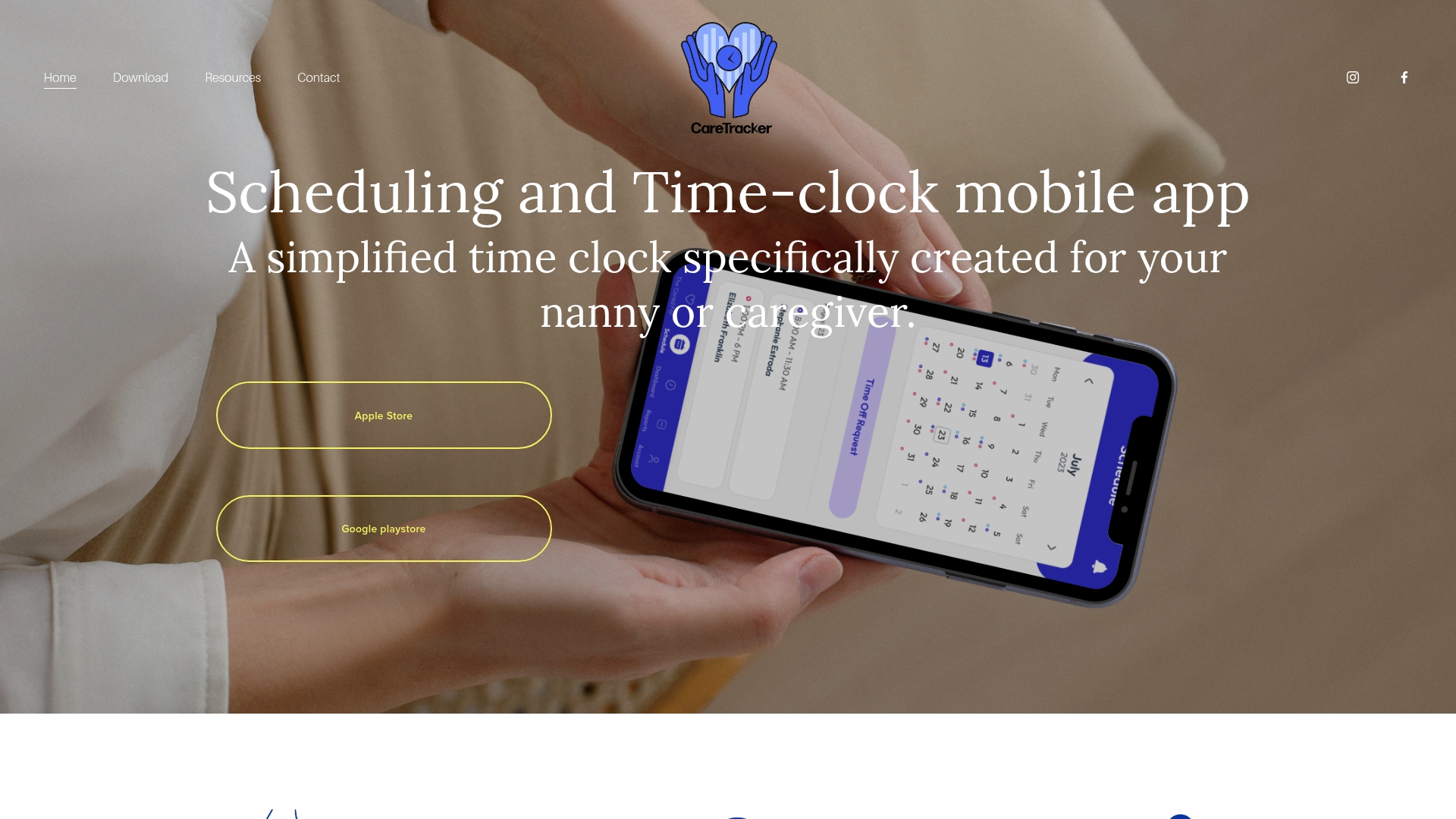
Inside the app, caregivers can receive and approve schedule requests, so a swap proposal turns into a confirmed record instead of an unanswered text. A unified calendar shows every job in one view, which matters for a nanny juggling shifts across more than one family. Hour tracking logs the real time worked, addressing the pay disputes that come up when a shift runs longer than planned. Care details, including allergies, medications, emergency contacts, and nap or nursing schedules, are available instantly to whoever steps in for a shift, closing the information gap that causes most swap-day confusion.
- Missed confirmations get solved by an approval flow built into the schedule request feature.
- Pay disputes get solved by accurate hour tracking tied to the actual shift.
- Missing emergency information gets solved by instant access to allergies, medications, and emergency contacts.
For families whose swaps have turned into regular paid coverage, or who are unsure whether Schedule H applies to their situation, TheCareTracker's payroll consultation offers a one-time $150 Premium consultation to sort out household employer reporting. Set up your free caregiver account and try the app today.
Sources
For readers who want to verify the details in this guide directly, a few official sources cover the rules referenced above. Childcare.gov's background check page explains federal and state screening requirements for licensed programs. The site's family child care checklist offers practical vetting questions that apply just as well to a one-time swap partner. IRS Publication 926 remains the authoritative guide for household employer tax obligations, including when a nanny counts as a household employee. For alternatives to swaps, a guide on nontraditional child care schedules covers co-ops and nanny shares in more depth.
FAQ
What are red flags when hiring a nanny?
Red flags include reluctance to provide a background check or references, vague answers about handling emergencies, and pressure to pay upfront before any work is done. Childcare.gov also flags offers of pay far above local rates or unusually rushed timelines as common scam indicators.
How much is a nanny for 2 hours?
Nanny pay varies widely by location, experience, and number of children, so there is no single national rate to quote. A swap involving pay should have the rate agreed and confirmed in writing before the shift starts, whether it matches the nanny's usual hourly rate or a separately negotiated amount.
What is the best age to transition from a nanny to daycare?
There is no single official age recommendation, since it depends on the child's needs and the family's schedule and preferences. Childcare.gov recommends evaluating specific programs directly and asking about group sizes, licensing, and daily routines before deciding.
What are things you should never do while babysitting?
A caregiver covering a swap should never leave a child unsupervised, ignore stated allergy or medication instructions, or make decisions outside the scope the family agreed to, such as taking the child somewhere not discussed. Sticking to the written plan, including meals, naps, and emergency contacts, keeps the shift safe and avoids disputes afterward.