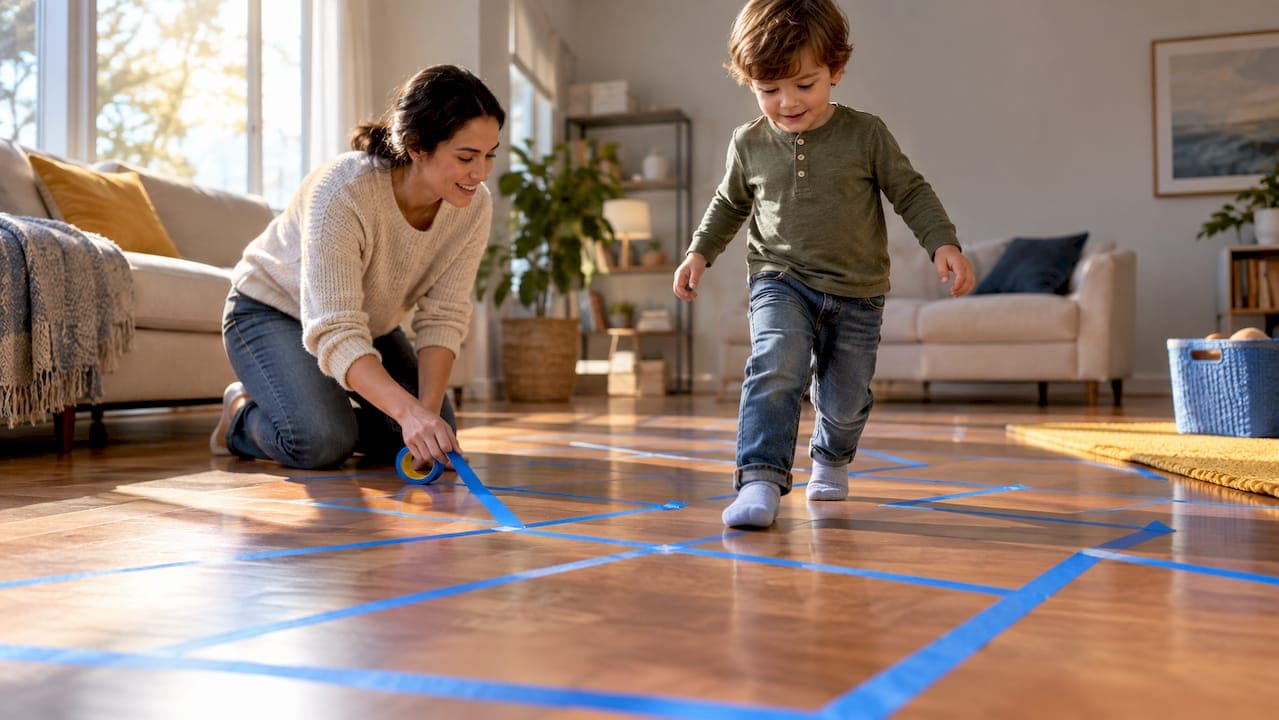
Here are ready-to-run, age-tagged nanny activity ideas you can use today: indoor, outdoor, crafts, STEM, and low-prep calmers. This roundup covers small-space games, backyard energy burners, creative crafts, and quiet wind-downs, all screen-free and adjustable from toddlers to school-age kids. You'll also get a nanny bag checklist and quick tips for staying ahead of parent questions.
TL;DR:
- The tape laser maze activity can keep children engaged for 30 to 60 minutes, especially when rules are progressively challenging and color-coded.
- Outdoor scavenger hunts can be easily adapted for all ages using picture or written lists, with safety tips like sunscreen reapplication essential.
- Sensory bins and simple crafts promote development and confidence but require allergy checks and proper supervision for small object mouthing.
- STEM challenges like marshmallow and toothpick towers teach engineering concepts through free exploration and achievable goals.
- A well-stocked nanny bag and digital activity logs improve preparedness, streamline communication, and provide accountability for each activity session.
Table of Contents
- Quick List: 10 Nanny Activity Ideas to Try This Week
- Indoor Nanny Activity Ideas for Small Spaces and Rainy Days
- Outdoor and Active Nanny Play Ideas
- Craft and Sensory Activities That Build Fine Motor Skills
- STEM and Problem-Solving Challenges Kids Actually Enjoy
- Low-Prep and Calm-Down Activities for Quiet Moments
- Your Nanny Bag Checklist and Parent Communication Tips
- Logging and Sharing Activities With a Caregiver App
- What I've Learned From Watching Good Nannies Improvise
- A Free Tool That Makes Activity Planning Easier
- Sources
Quick List: 10 Nanny Activity Ideas to Try This Week
Every item below scales up or down by age, so treat these less like rigid instructions and more like starting points.
- Tape laser maze (ages 2+): Crisscross painter's tape across a doorway. Kids crawl or climb through without touching it. Setup takes 5 to 10 minutes.
- Backyard scavenger hunt (ages 3+): Give a picture list for toddlers, a written list for older kids.
- Marshmallow and toothpick tower (ages 5+): Build a structure that stands freestanding for 10 seconds.
- Puppet show (ages 2+): Sock puppets plus a cardboard box stage.
- Sensory bin (ages 1 to 4): Rice, beans, or pasta with scoops and cups. Supervise closely if the child still mouths objects.
- Indoor obstacle course (ages 3+): Couch cushions, pillows, and painter's tape lines.
- Bubble and water play (ages 1+): Bubbles indoors, water tables outdoors.
- Story dramatization (ages 3+): Act out a favorite picture book with props from around the house.
- Nature collage (ages 4+): Collect leaves and twigs on a walk, glue onto paper.
- Simple baking activity (ages 4+): No-bake energy bites or decorating premade cookies.
Indoor Nanny Activity Ideas for Small Spaces and Rainy Days
The tape laser maze remains one of the most reliable indoor nanny activities because it needs almost nothing and adapts instantly. Stretch blue painter's tape in random zigzags across a hallway or doorway, low enough that a toddler can step over and high enough that a school-age kid has to duck or twist. This activity scales for ages 2 and up and can hold a child's attention for 30 to 60 minutes once you start adjusting the rules.
- Start simple: touch the tape, start over.
- Add a timer for kids who want a challenge.
- Color-code strands for older children (red means crawl under, blue means jump over) to layer in memory and quick decision-making, a trick that turns a physical game into a light cognitive one.
- Use blue painter's tape specifically. It peels off walls and floors without leaving residue.
Beyond the maze, cushion obstacle courses and hide-and-seek variations (flashlight tag at dusk, "hot and cold" with a hidden object) burn energy without leaving the living room. Sensory bins work well for a slower stretch. Fill a shallow bin with dry rice or beans, add scoops, and let a toddler dig for 20 minutes to enjoy the developmental benefits of sensory play as explained in this parent's guide to sensory play and child development. Check with parents first if there's any chance the child still puts small items in their mouth.
Pro Tip: Keep a roll of painter's tape in your bag at all times. Between the laser maze, obstacle course lines, and quick craft borders, it's the single most versatile item you'll carry.
Outdoor and Active Nanny Play Ideas
Fresh air and open space solve a lot of afternoon restlessness, and outdoor play gives kids room to run that indoor spaces can't match. A backyard or park scavenger hunt works for nearly every age once you adjust the list. Toddlers can hunt for a picture card showing a rock, a leaf, and something yellow. School-age kids can work from a written clue list or a hand-drawn treasure map that sends them from the swing set to the mailbox to a "buried" prize.
- Sidewalk chalk for hopscotch, obstacle courses, or just free drawing.
- Bubbles on a breezy day, which toddlers will chase for a surprisingly long stretch.
- Water play with a sprinkler, water table, or a bucket and paintbrushes for "painting" the fence with water.
- Simple relay races or an obstacle course built from cones, hula hoops, and jump ropes.
Sun and water bring their own risks, so pack sunscreen and reapply after water play, keep a water bottle on hand, and know the yard or park layout before letting kids range farther than arm's reach. Professional nanny resources recommend packing a dedicated activity kit for outdoor sessions so you're never scrambling mid-activity.
Craft and Sensory Activities That Build Fine Motor Skills
Crafts do double duty: kids build hand strength and creativity while you get a calmer, seated stretch of time. Recycled art projects (toilet paper roll animals, cereal box robots, bottle cap mosaics) cost nothing and teach kids to see materials differently. Nature collages, where a child glues leaves, petals, and twigs from a walk onto paper, connect outdoor and indoor play in one afternoon.
- Puppet-making with paper bags or socks, then a mini performance afterward.
- Playdough or kinetic sand for ages 2 and up, with cookie cutters and plastic utensils for texture play.
- Painting with unconventional tools: cotton balls, forks, or sponges cut into shapes.
- Yarn and paper weaving for older kids working on patience and fine motor control.
The best craft sessions treat the finished product as secondary. Caregivers who focus on the process rather than the outcome give kids more room to take creative risks and build genuine confidence in self-expression. Lay down a towel or shower curtain before sensory bins or paint, and always ask about allergies before bringing out shaving cream, flour, or anything edible for sensory use.
STEM and Problem-Solving Challenges Kids Actually Enjoy
The marshmallow and toothpick tower is the gold standard for a reason: it's cheap, fast, and teaches real engineering concepts like triangulation and load-bearing without feeling like a lesson. Give the child a bag of mini marshmallows and a box of toothpicks, then let them experiment freely before introducing any rule.
- Set the challenge: the tower must stand freestanding for 10 seconds without support.
- A structure that scales from kindergarten through middle school just by adjusting the time limit or requiring a minimum height.
- Try sink-or-float testing in a sink or basin with household objects.
- Attempt a baking soda and vinegar "volcano" for ages 4 and up, always with close supervision.
- Set a LEGO build challenge with a single constraint, like "must have a working door."
Free play first, constraint second is the pattern that keeps kids engaged instead of frustrated. Introducing the freestanding-for-10-seconds rule only after a few minutes of open exploration turns a vague activity into a clear, achievable goal.
Low-Prep and Calm-Down Activities for Quiet Moments
Some afternoons call for less movement, not more, especially after a big outdoor session or before nap time. Story dramatization needs nothing but a picture book and a willingness to do voices. Audiobooks paired with a matching stuffed animal or prop keep younger kids anchored without a screen.
- Sticker books or reusable sticker sheets for ages 2 and up.
- Simple puzzles matched to the child's current skill level, not their age on paper.
- Mindful breathing exercises: "smell the flower, blow out the candle" works well for preschoolers.
- Kid-friendly yoga poses like "cat," "cow," and "tree" for a five-minute reset.
Watch behavior cues rather than the clock. A child who's rubbing their eyes or getting short-tempered needs a calm-down activity regardless of what's on the plan. One who's bouncing off the walls needs the opposite.
Your Nanny Bag Checklist and Parent Communication Tips
A well-packed bag prevents most mid-activity scrambles. Pack wipes, sunscreen, a spare outfit, a small first-aid kit, a roll of painter's tape, and a basic craft kit (crayons, paper, safety scissors, glue sticks). Add a couple of easy snack options in case an activity runs long.
- Confirm allergies and any food restrictions before snack-based or sensory activities.
- Ask about water rules: pool access, sprinkler use, or any no-water zones in the house.
- Clarify preferred cleanup standards. Some parents want toys fully put away, others just want a tidy surface.
- Give a rough time estimate for messier activities so parents aren't caught off guard at pickup.
| Planning step | What to confirm | Why it matters |
|---|---|---|
| Before the activity | Allergies, food restrictions, water rules | Avoids health risks and household conflicts |
| During setup | Materials on hand, cleanup expectations | Keeps prep time realistic |
| After the activity | Time spent, what worked, what to skip next time | Builds a better plan for next visit |
Nanny resources that spell out prep time, materials, and cleanup expectations consistently work better for caregivers who need to report back to parents at the end of a shift.
Logging and Sharing Activities With a Caregiver App
A phone can replace the notebook most nannies used to carry for tracking naps, snacks, and activity notes. After a tape laser maze session, for example, you can log the time spent, snap a quick photo, and add a note on how a child handled the harder color-coded round. That record becomes useful the next time you're planning, and it gives parents a real window into the day.
- Save activity templates for repeat favorites, so you're not rebuilding the same plan from scratch.
- Store allergy details and nap schedules in one place instead of relying on memory.
- Log developmental notes alongside the activity, like which skills a child practiced.
- Share quick daily summaries so parents see what actually happened, not just a vague "good day."
Tools built for this exact workflow, like the nanny daily log approach, turn scattered notes into something parents can actually use.
What I've Learned From Watching Good Nannies Improvise
The best nanny I ever watched turned a rained-out park trip into an indoor "expedition" using couch cushions and a flashlight, and the kids never noticed the substitution. The tactic that mattered wasn't the props. It was letting the children decide what the cushions represented. Child-led adjustments beat any rigid plan, so treat your activity list as a menu, not a script, and jot a quick note to parents about what clicked.
— mercedes
A Free Tool That Makes Activity Planning Easier
There are apps that give nannies a faster way to plan, log, and share the exact activities covered here, avoiding the need for paper notebooks. These tools help track hours, store allergy and nap details in one place, and log daily activities with notes parents can actually read.
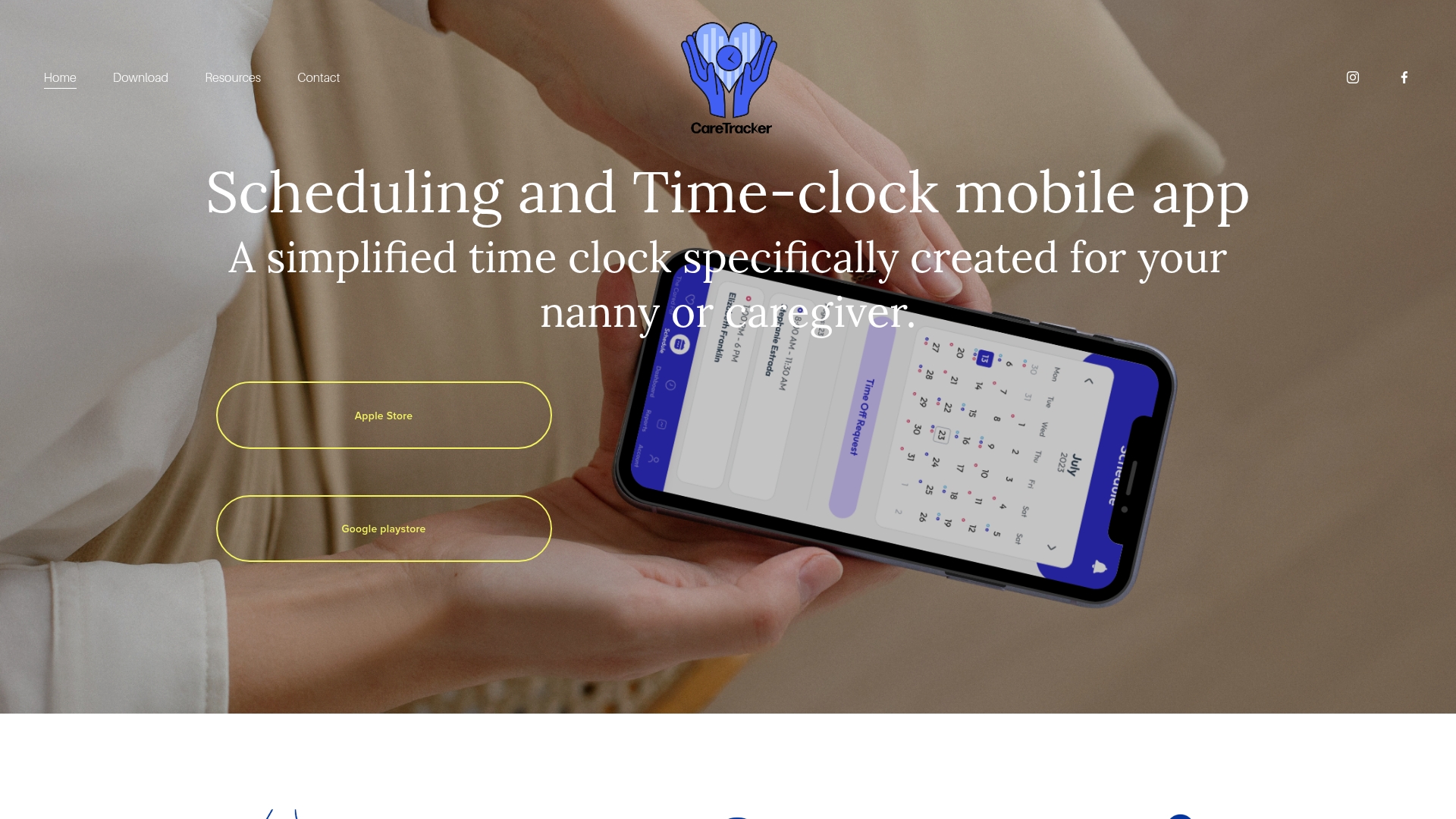
The app lets you view every job in a single calendar, receive and approve schedule requests, and access care information instantly instead of digging through old text threads. If you're coordinating recurring activity blocks across multiple families, a caregiver scheduling setup keeps everything visible without extra calls or texts. Download Thecaretracker free and start logging your next activity session, whether it's a tape laser maze or a backyard scavenger hunt, in a format parents will actually read.
Sources
- Nannies encourage creativity — The Nanny Institute
- Tape laser maze for kids — It's Goodbye Twenties
- Marshmallow and toothpick tower (STEM challenge) — Mombrite
- 45 Fun summer activities for nannies — Nannies on Call