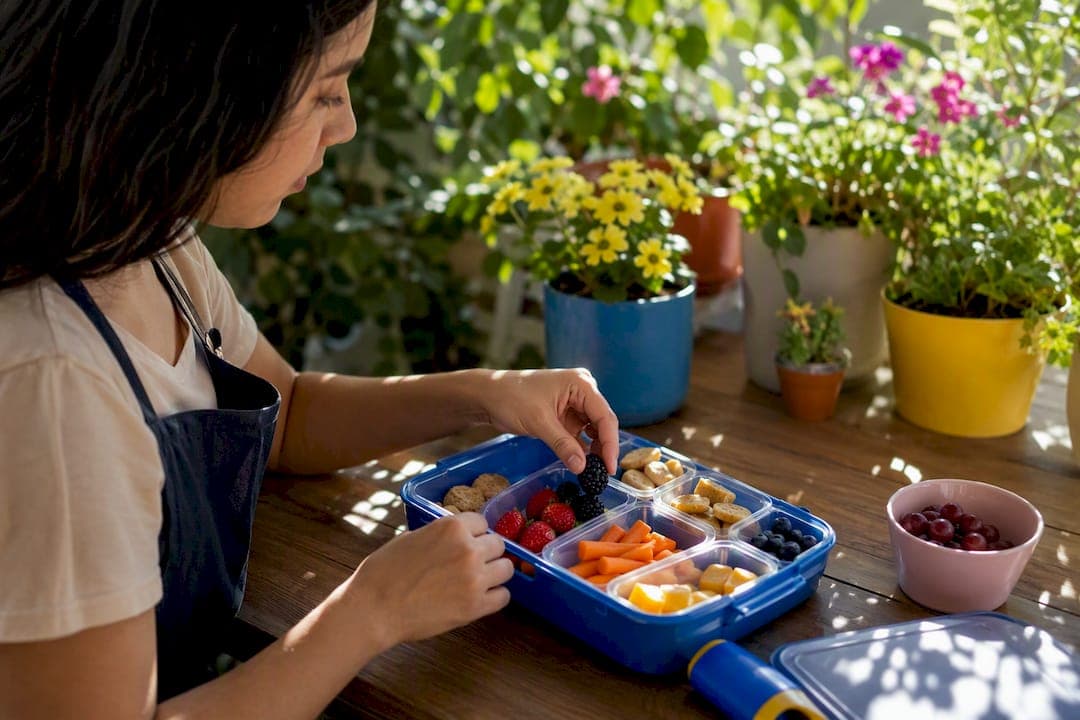
Before your nanny's first shift, hand her four things: a printed allergy list with severity levels marked for each trigger, a labeled epinephrine auto-injector kept somewhere visible, a written Food Allergy & Anaphylaxis Emergency Care Plan, and a safe-food tray showing exactly what your child can eat. Add emergency contacts and a simple script for what to say if she calls 911.
The one rule that overrides everything else: if she suspects anaphylaxis, she injects epinephrine first, then calls 911, then calls you. Not the reverse.
Quick checklist for day one:
- Printed allergy list with severity and reaction history
- Epinephrine auto-injector, unexpired, stored in plain sight
- Written emergency care plan and babysitter form
- Safe-food tray with approved snacks
- Emergency contacts and a 911 script taped nearby
Why this matters: A survey of 153 nannies found that many felt uncomfortable administering an epinephrine auto-injector. A list alone doesn't fix that gap. Practice does.
Key Takeaways
A written allergy list only works when it's paired with paid, hands-on epinephrine practice and stored where every caregiver can access it instantly.
| Point | Details |
|---|---|
| Emergency order matters | Inject epinephrine first, then call 911, then call the parents. |
| Pay for training time | Schedule a paid 1 to 2 hour session before the first shift to practice with a trainer device. |
| Document every allergen | Record severity, last reaction, medication, and tolerated forms for each trigger. |
| Refresh quarterly | Re-practice the epinephrine trainer every three months or after any allergy change. |
| Store information digitally | Share the allergy list, care plan, and medication photos through an app like Thecaretracker with read-only caregiver access. |
Table of Contents
- How Do You Train a Nanny on Food Allergy Safety?
- What Allergens Belong on Your Child's Allergy List?
- How Can a Nanny Tell a Mild Reaction From Anaphylaxis?
- Written Plans and the Emergency Medicine Pack
- Preventing Exposure: Labels, Cross-Contact, and Snacks
- Storing the Allergy List Where Every Caregiver Can Find It
- The Real Gap in Most Nanny Allergy Prep
- Frequently Asked Questions
- Sources
How Do You Train a Nanny on Food Allergy Safety?
A one-time conversation doesn't build competence. Kidswithfoodallergies scheduling a paid, 1 to 2 hour training session before the first shift, treating it as onboarding rather than a favor.
Here's a workable agenda:
- First 15 minutes: Review the written action plan and allergy list line by line, including severity and last reaction date.
- Next 20 minutes: Walk the kitchen together. Point out where safe foods live, where the epinephrine is stored, and how the safe-food tray works.
- Next 20 minutes: Practice with an epinephrine trainer until she can do it without hesitation. Time her. Ask her to talk through the steps out loud.
- Next 15 minutes: Demonstrate label reading using real packages from your pantry, not verbal descriptions.
- Final 10 minutes: Confirm the no-outside-food policy and answer questions.
Before you even book training, ask candidates directly: "Have you cared for a child with food allergies before?" and "Have you ever used an epinephrine auto-injector, even in practice?" Their answers tell you how much hands-on time you'll need.
Pro Tip: Pay for training time at your regular hourly rate or higher. A nanny who feels rushed through an unpaid crash course retains far less than one who's being compensated to focus.
What Allergens Belong on Your Child's Allergy List?
Nine allergens cause most childhood food allergies: milk, egg, wheat, soy, tree nuts, peanuts, fish, shellfish, and sesame. List every one that applies to your child, even mild ones, and don't stop at food. Include environmental triggers like pet dander, pollen, or insect stings if they're relevant.
For each item on the list, record:
- Severity (mild, moderate, life-threatening)
- Typical reaction (hives, swelling, vomiting, breathing trouble)
- Date of last reaction
- Prescribed medication and dosage
- Physician notes, if any
- Tolerated forms (baked milk vs. fresh milk, for example)
Bring labeled safe snacks to the training session itself. Seeing the actual approved granola bar or cracker brand teaches a nanny more in ten seconds than a paragraph of instructions ever will.
How Can a Nanny Tell a Mild Reaction From Anaphylaxis?
Mild symptoms usually show up first and stay localized: hives, an itchy mouth, a stomachache, or mild swelling. Anaphylaxis looks different and moves fast. Watch for difficulty breathing, throat tightness, a sudden change in behavior, repeated vomiting, or collapse.
The moment anaphylaxis is suspected, Foodallergy is blunt about the order of operations: act first, call later.
- Inject epinephrine immediately. Don't wait to see if symptoms improve on their own.
- Call 911. A simple script works: "A child in my care is having a severe allergic reaction. I've given epinephrine. We need an ambulance at [address]."
- Call the parents right after.
A trainer device drilled on an orange, three reps with a timed hold, plus a mock 911 call, builds the kind of muscle memory a single demonstration never will.
Practice this drill during training, not during a real emergency. Store the actual injector somewhere labeled and visible, and check its expiration date monthly.
Written Plans and the Emergency Medicine Pack
A written Food Allergy & Anaphylaxis Emergency Care Plan and a babysitter form aren't paperwork for paperwork's sake. They're what a paramedic, a substitute caregiver, or a panicked nanny reaches for when seconds count.
Your action plan should include:
- Full list of allergies with severity
- Medication names, doses, and exact storage location
- Emergency contacts, physician, and pharmacy phone numbers
- Baseline health notes (asthma, past reactions, other conditions)
- Sample safe menus for meals and snacks
The emergency medicine pack should hold the labeled epinephrine auto-injector, a prescribed antihistamine if your doctor has recommended one, an inhaler if your child has asthma, copies of your written authorization, and a spare injector if your allergist advised keeping two.
| Item | Where to Keep It |
|---|---|
| Primary epinephrine injector | Visible spot in the kitchen, not locked away |
| Backup injector | Labeled zip pouch near the primary one |
| Written care plan | Taped inside a cabinet door or on the fridge |
| Emergency contact sheet | Next to the phone or on the fridge |
| Duplicate pack | With grandparents or a regular backup caregiver |
Preventing Exposure: Labels, Cross-Contact, and Snacks
Most reactions happen from ordinary kitchen habits, not dramatic mistakes. Teach your nanny to read past the ingredient list to the advisory line. "May contain" or "processed in a facility with" statements mean the manufacturer can't guarantee the product is safe, even if the allergen isn't listed as an ingredient.
Cross-contact prevention matters as much as label reading:
- Keep a separate prep area and dedicated utensils for allergen-free meals.
- Require handwashing with soap, not just hand sanitizer, before any food handling.
- Wipe down counters and high chairs after every meal, not just visibly messy ones.
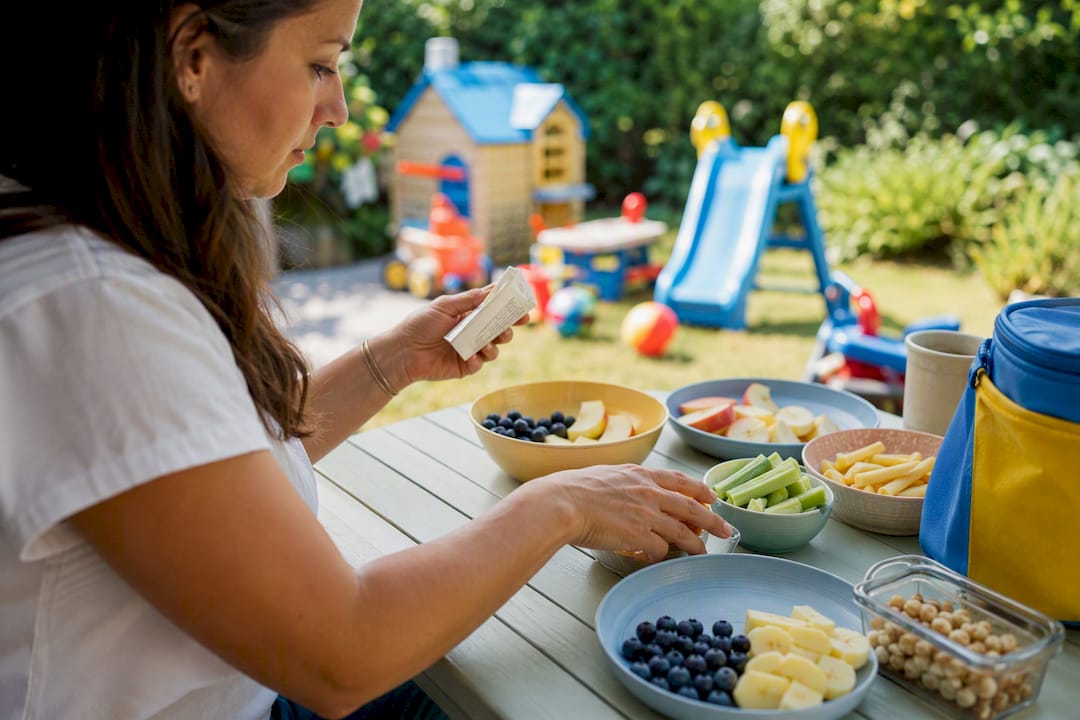
For snacks, keep an approved-brands list and restock the safe-food tray weekly. When visiting other homes or parties, pack your child's own snacks rather than relying on what's offered. If playtime activities involve edible materials, a resource like Allisong for Tots' egg shaker crafts offers ideas that skip food-based sensory play entirely.
Pro Tip: Ask your nanny to prepare a snack from the safe-food tray during training. Watching her read the label and assemble it tells you more about her habits than any interview answer.
How Often Should Allergy Training Be Refreshed?
Training isn't a one-time event. Here's a reasonable cadence:
- Initial session: Paid, 1 to 2 hours, before the first shift.
- Quarterly refreshers: 30 to 60 minutes to re-practice the epinephrine trainer and review the action plan.
- After any change: New allergy diagnosis, medication update, or reaction should trigger an immediate refresher, regardless of schedule.
Document each session with a short signed checklist you keep on file. Pay refresher time at the same rate as regular hours. A nanny who's compensated fairly for training shows up to it, instead of treating it as an inconvenience squeezed between paid duties.
Storing the Allergy List Where Every Caregiver Can Find It
A printed list works until it's misplaced, outdated, or left behind when a backup sitter fills in. Storing the same information digitally solves that gap. Keep the allergy list, a PDF of the care plan, photos of medication labels, expiration reminders, and emergency contacts in one shared place.
Thecaretracker was built for exactly this kind of coordination. Multiple caregivers get shared access to the same allergy and medication notes, so nothing gets lost between a regular nanny and a weekend backup. Restrict edit access to parents and give caregivers read-only access, so the information stays accurate. Keep a printed copy in the kitchen too. Apps fail at the worst moments; paper doesn't need a charged phone.
The Real Gap in Most Nanny Allergy Prep
Most allergy lists fail not because they're incomplete, but because they're handed over once and never practiced. A parent writes down "peanut allergy, EpiPen in the drawer" and assumes the job is done. It isn't. The research on caregiver comfort with epinephrine is consistent: knowing where the device is and being able to use it under pressure are two different skills.
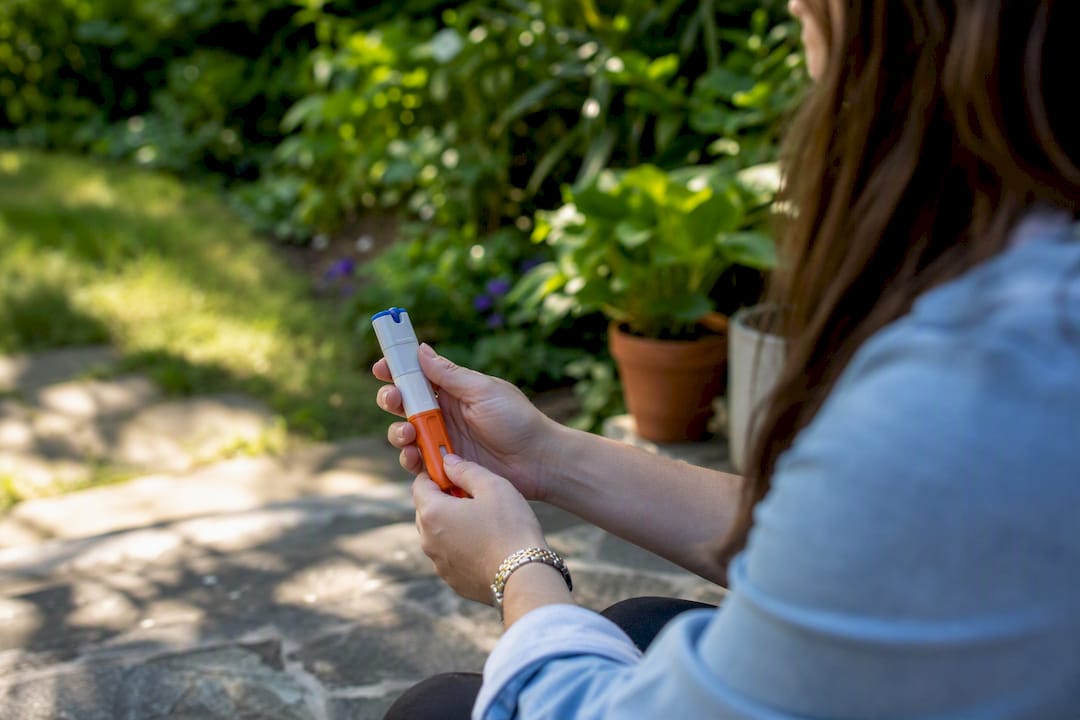
The conventional advice tells parents to "communicate clearly" with their nanny. That's not wrong, it's just insufficient. Clear communication doesn't build muscle memory. A paid, hands-on session where the nanny actually fires a trainer device, reads a real label, and preps a snack from the safe-food tray does. That's the piece most families skip, usually because it feels excessive for a "quick babysitting job."
Prioritize the drill over the document. Write the list, yes, but spend your first hour of prep watching your nanny handle the epinephrine trainer, not just reading the plan aloud.
Frequently Asked Questions
What should be on an allergy list for a nanny? Include every food and non-food allergen, severity level, typical reaction, last reaction date, prescribed medication with dosage, physician notes, and any tolerated forms of the allergen.
Should I pay my nanny for allergy training time? Yes. Compensating training at your regular or higher hourly rate encourages full participation and signals that the session is a real job requirement, not optional.
How do I know if my nanny can handle a severe allergic reaction? Have her demonstrate the epinephrine trainer during onboarding until she can complete the steps confidently and quickly, then repeat the drill every few months.
What's the difference between a mild reaction and anaphylaxis? Mild reactions stay localized, like hives or an upset stomach. Anaphylaxis involves breathing difficulty, throat tightness, sudden behavior changes, or collapse, and requires immediate epinephrine.
Where should the epinephrine auto-injector be stored? Somewhere visible and easy to reach, like a labeled spot in the kitchen, never locked away or hidden in a bag your nanny might not check.
This article is general information, not a substitute for advice from a qualified doctor. Consult a qualified healthcare professional about your own circumstances before acting on anything here.
Sources
- Nannies' Knowledge, Attitude, and Management of Food Allergies of Children: An Online Survey
- Training for Babysitters and Caregivers
- Foodallergy
- Food allergies in children