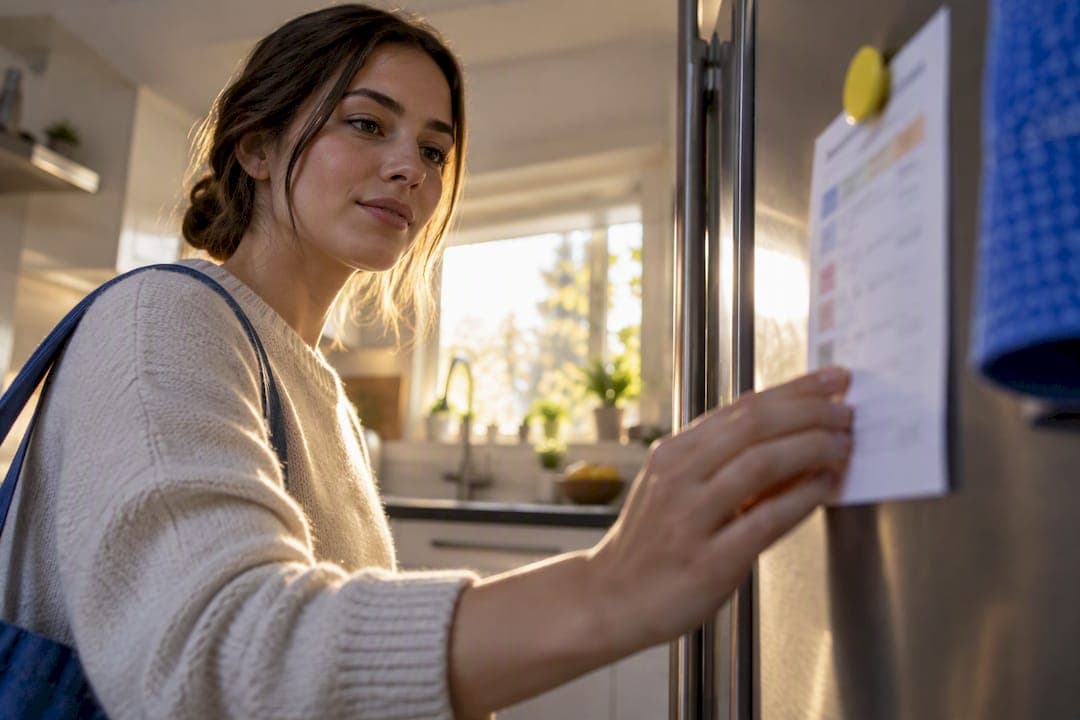
Before you walk out the door, leave your sitter a printed, one-page emergency card with your address and 911 clearly at the top, and tell them plainly: call 911 first for anything life-threatening, then call me. A trained sitter with CPR and first-aid skills makes that instruction easier to follow. The checklist and printable template below help you build that card in minutes.
TL;DR:
- A simple, clearly visible emergency card must prioritize 911 and your address at the top, with child details, medication info, and contacts in bold or highlighted for quick access.
- Practice a quick handoff routine before leaving, including showing exits, demonstrating emergency calls, and confirming all key information to ensure sitter readiness under stress.
- Call 911 immediately for life-threatening situations such as unconsciousness, severe bleeding, choking, or seizures, and provide high-risk children with two doses of epinephrine if needed.
- Conduct regular drills like fire escapes and mock 911 calls to reinforce the sitter’s ability to respond effectively, rather than relying solely on written instructions.
- Keep emergency plans on paper and digital platforms, but prioritize training and routine practice, with a physical card serving as a reliable backup during emergencies.
Table of Contents
- What Goes on a Family Emergency Plan Babysitter Card?
- What Should a Sitter Handoff Look Like Before You Leave?
- When Should a Babysitter Call 911 Instead of the Parents?
- Why Practice Drills Matter More Than the Paperwork
- Can You Share the Emergency Plan Digitally Instead of Printing It?
- Building the Habit Matters More Than the Paperwork
- Keep the Whole Emergency Plan in One Place With Thecaretracker
- Sources
- FAQ
What Goes on a Family Emergency Plan Babysitter Card?
A family emergency plan babysitter card works because it puts the right information in front of the right person at the right moment. The point isn't to write a novel. It's to build a single page a stressed, unfamiliar adult can scan in five seconds.
Put the biggest, boldest text at the top: "Call 911" and your full address, including cross-streets and any confusing entry details (gate code, apartment buzzer, "use the side door"). Dispatchers can't help if the sitter fumbles the address, and this is the single most common failure point during a real call.
Below that, cover these fields:
- Child details: full name, date of birth or current weight (needed for accurate medication dosing), and any allergies or chronic conditions, bolded so they can't be missed.
- Medication block: drug name, dose, exact time to administer, where the medication is stored, and step-by-step autoinjector instructions if one is prescribed.
- Contacts: both parents with numbers most likely to be answered, a backup contact, the pediatrician's office, a local emergency contact, and Poison Control at 1-800-222-1222.
- House logistics: location of the first-aid kit, flashlight, fire extinguisher, main water and gas shutoffs, alarm code, and the family's outdoor meeting spot in case of evacuation.
Highlight allergy and epinephrine information in red ink or a bright highlighter. If a child carries an autoinjector, the American Academy of Pediatrics recommends keeping it in a consistent, labeled spot and noting that location directly on the card. Our guide on medication items to share with a nanny breaks this down further if your child takes more than one prescription.
Pro Tip: Print two copies. Mount one on the fridge and keep a second, pocket-sized version the sitter can carry between rooms. Locked or dead phones are common during a crisis, so a paper backup beats a digital-only plan every time.
What Should a Sitter Handoff Look Like Before You Leave?
A rushed goodbye is where most emergency plans fall apart. Spend five to ten minutes on a structured handoff and the sitter walks in prepared instead of guessing.
- Introduce the kids and their routines. Cover bedtime, snacks, and anything unusual about that day.
- Point to the emergency card and first-aid kit. Don't just mention them, physically walk the sitter to where they're stored.
- Show the exits and a safe meeting spot. This takes thirty seconds and matters enormously if smoke or fire cuts off a normal exit.
- Demonstrate the 911 call. Have the sitter read your address aloud from the card so they know exactly what a dispatcher will ask for.
- Confirm medication steps. Walk through dosage, timing, and where the medicine lives, even if you already wrote it down.
- State the rule plainly: "If it's life-threatening, call 911 first, then call me." That single sentence removes the hesitation that keeps sitters from acting fast.
- Confirm backup contacts. If you're at a wedding with no signal or on a flight, who picks up next?
- Set texting versus calling expectations. Decide together what counts as a text-worthy update versus a call.
If the sitter will drive your child anywhere, show them the car seat, hand over insurance information, and put your driving permission in writing. HealthyChildren.org recommends this same show-and-tell approach, particularly for new sitters who haven't been in your home before.
When Should a Babysitter Call 911 Instead of the Parents?
Some situations don't leave room for judgment calls. A sitter should call 911 immediately, before calling you, for any of these red flags:
- The child isn't breathing or is unconscious.
- There's severe or uncontrolled bleeding.
- A severe allergic reaction is underway (swelling of the face or throat, difficulty breathing, hives spreading fast).
- Choking that isn't relieved by back blows or abdominal thrusts.
- A seizure, especially a first-time one or one lasting more than a few minutes.
HealthyChildren.org is direct about this: in a life-threatening event, calling 911 comes first, full stop. Roughly 240 million 911 calls happen in the U.S. every year, and dispatchers are trained to walk callers through exactly what to do next, including CPR instructions, so a sitter should stay on the line until help physically arrives rather than hanging up once help is "on the way."
If a child shows signs of anaphylaxis and an epinephrine autoinjector is available, give it right away, then call 911. The AAP advises that high-risk children carry two doses, since a second dose may be needed within five minutes if symptoms don't improve. For suspected poisoning, call Poison Control at 1-800-222-1222 immediately, even if the child seems fine, and keep the product container handy so the sitter can read off the ingredients.
Families who prioritize sitters with certified training make all of this easier to execute under pressure. The Red Cross Babysitter's Training with Pediatric First Aid/CPR/AED course covers exactly these scenarios and results in a two-year certification.
Why Practice Drills Matter More Than the Paperwork
A printed card only works if the sitter can actually find and use it under stress. That's why a short practice run, not just a handout, is what separates a real family safety plan babysitter routine from a piece of paper stuck to the fridge. Preparedness experts consistently point to walkthroughs and repeated practice, not one-time instructions, as what actually sticks in a crisis.
Three drills cover most of what you need:
- Fire escape walkthrough. Walk the exit route together and confirm the outdoor meeting spot.
- Lost-child search drill. Ask the sitter to describe, out loud, where they'd search first and who they'd call if a child went missing during an outing.
- Mock 911 call. Have the sitter read the address aloud and respond to a few sample dispatcher questions ("what's happening, is the child breathing").
With a brand-new sitter, budget two to three minutes for this. With a returning sitter, a one-minute refresher before you leave is usually enough.
Pro Tip: Test readiness with one simple check: ask the sitter to locate the first-aid kit and read the emergency card aloud without your help. If they hesitate, walk through it again before you leave.
Can You Share the Emergency Plan Digitally Instead of Printing It?
You have three practical options for getting this information into a sitter's hands: a printed card, a saved photo or shared PDF on their phone, or a caregiver app that stores the profile for them to open on demand.

Printed remains the safest default. A phone that's locked, dead, or buried in a bag during an emergency is useless, which is exactly why child-health experts keep recommending a physical card on the fridge as the backup that never fails. Avoid relying solely on a passworded app or hidden photo album the sitter has never actually opened before.
If you want a digital layer on top of the paper card, look for a caregiver-specific tool rather than a generic note app. Thecaretracker stores allergies, medications, emergency contacts, and daily schedules in one place, and caregivers can pull up that information instantly instead of texting you mid-crisis to ask what dose a medication is. For broader family safety mapping, tools like Kin Watchdog add another layer for tracking locations across a household. Pair either with a printed babysitter information sheet so nothing depends on one device staying charged.
Building the Habit Matters More Than the Paperwork

The card and the checklist matter, but the habit of walking a sitter through them matters more. Families who write the plan once and never revisit it tend to have sitters who freeze at the worst possible moment, not because they don't care, but because they never practiced.
Having spent time covering caregiver handoffs and scheduling routines for the CareTracker blog, the pattern is consistent: the families with the calmest sitters are the ones who treat the handoff as a two-minute ritual, not a one-time lecture. Caregiver apps that let users pull up allergy and medication info instantly instead of hunting for a sticky note reflect that same philosophy.
— mercedes
Keep the Whole Emergency Plan in One Place With Thecaretracker
There are apps that give you a free way to keep every field from that emergency card, allergies, medications, emergency contacts, and daily schedules, in one profile your sitter can open instantly instead of digging through texts or paper.
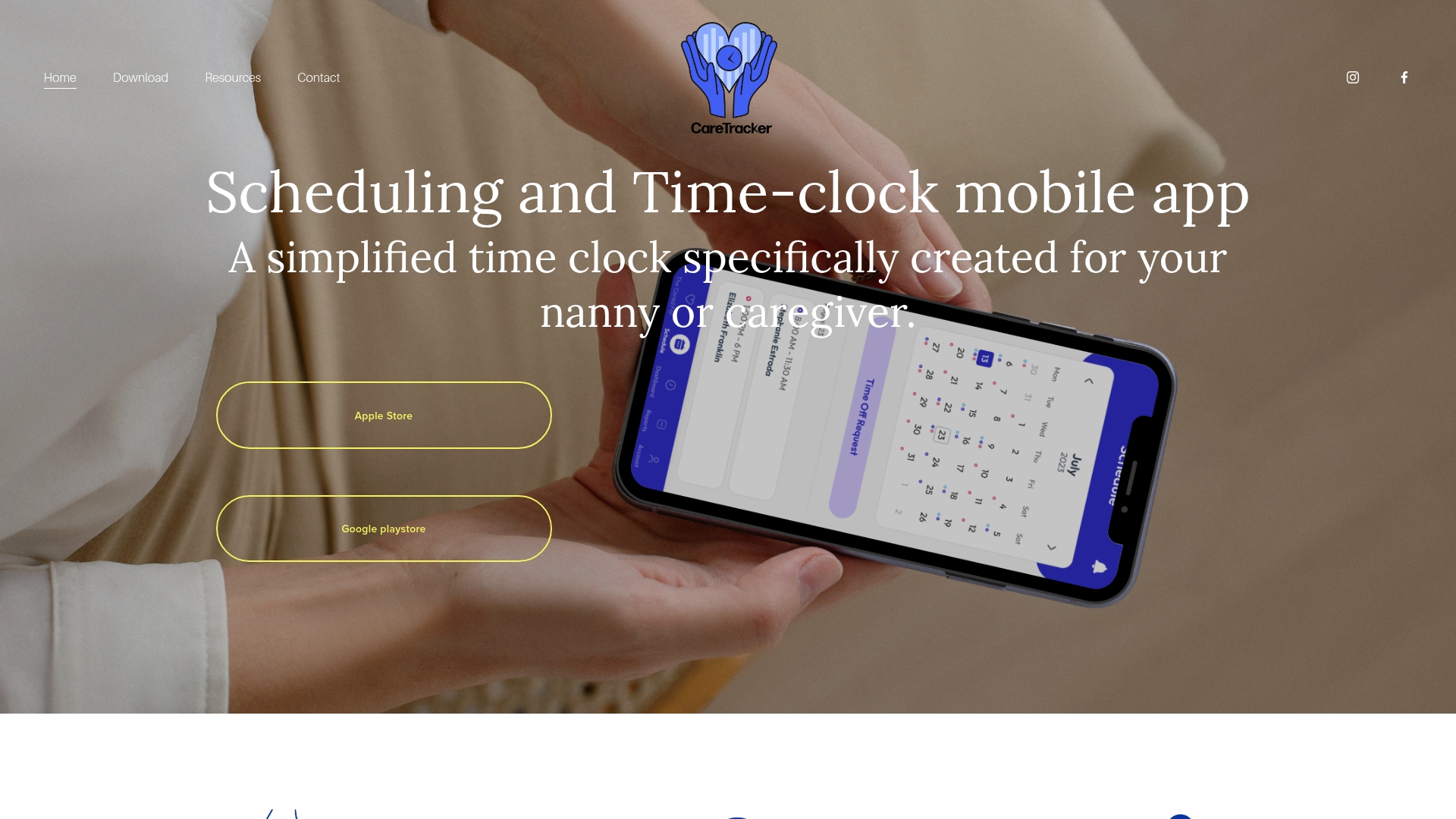
Because it's built for caregivers to use at no cost, your regular sitter or nanny can check nap times, feeding schedules, and medical notes the moment they walk in, and you never have to retype the same information for a new sitter again. If you also manage household payroll for a nanny, Thecaretracker's payroll consultation services can help you sort out tax and compliance questions separately from the caregiving side. Set up your child's profile now and share it with your next sitter before they even arrive.
Sources
This article is general information, not a substitute for advice from a qualified doctor. Consult a qualified healthcare professional about your own circumstances before acting on anything here.
FAQ
What should be on a printed emergency card for a babysitter?
Include 911 and your full address in large text, the child's name, allergies, medications and dosing, and contacts for parents, backup adults, the pediatrician, and Poison Control at 1-800-222-1222. Add household details like where the first-aid kit and shutoffs are located.
Should a babysitter call 911 or the parents first?
Call 911 first for anything life-threatening, such as not breathing, severe bleeding, or a serious allergic reaction, then call the parents. HealthyChildren.org confirms dispatchers give real-time guidance until help arrives.
Does a babysitter need CPR or first-aid training?
It isn't legally required, but families who prioritize trained sitters reduce risk significantly during medical emergencies. The Red Cross Babysitter's Training course covers pediatric first aid, CPR, and AED use and results in a two-year certification.
How often should we practice the emergency plan with a sitter?
Run a two to three minute walkthrough with any new sitter and a shorter one-minute refresher periodically with returning sitters. Practicing the escape route and a mock 911 call builds the muscle memory that a printed card alone can't provide.
Can an app replace a printed emergency card?
An app adds convenience but shouldn't fully replace paper, since phones can be locked, dead, or inaccessible during a crisis. Thecaretracker lets caregivers store and instantly access allergies, medications, and emergency contacts for free, working best as a digital backup alongside a fridge-mounted card.