
A babysitter information sheet is a written document you give your sitter before you leave. It covers everything they need to keep your child safe, from emergency phone numbers to bedtime routines. Think of it as a single source of truth for your household, one your sitter can grab in seconds if something goes wrong.
Every complete babysitter info sheet covers four core areas:
- Emergency contacts: 911, Poison Control at 1-800-222-1222, both parent cell numbers, and two or three trusted backup adults
- Child medical info: allergies, current medications, and the location of any emergency supplies like an EpiPen
- Daily routines: meal times, nap schedule, screen time limits, bedtime, and favorite activities
- Household rules and safety: appliance instructions, utility shut-offs, authorized pick-up persons, and discipline expectations
Having these details in writing means your sitter does not have to rely on memory during a stressful handoff. It also gives them the confidence to act quickly and correctly when it counts.
What should a babysitter information sheet include?
A thorough babysitter information form goes beyond a phone number list. Here is what each section should cover.
Emergency contacts and location details
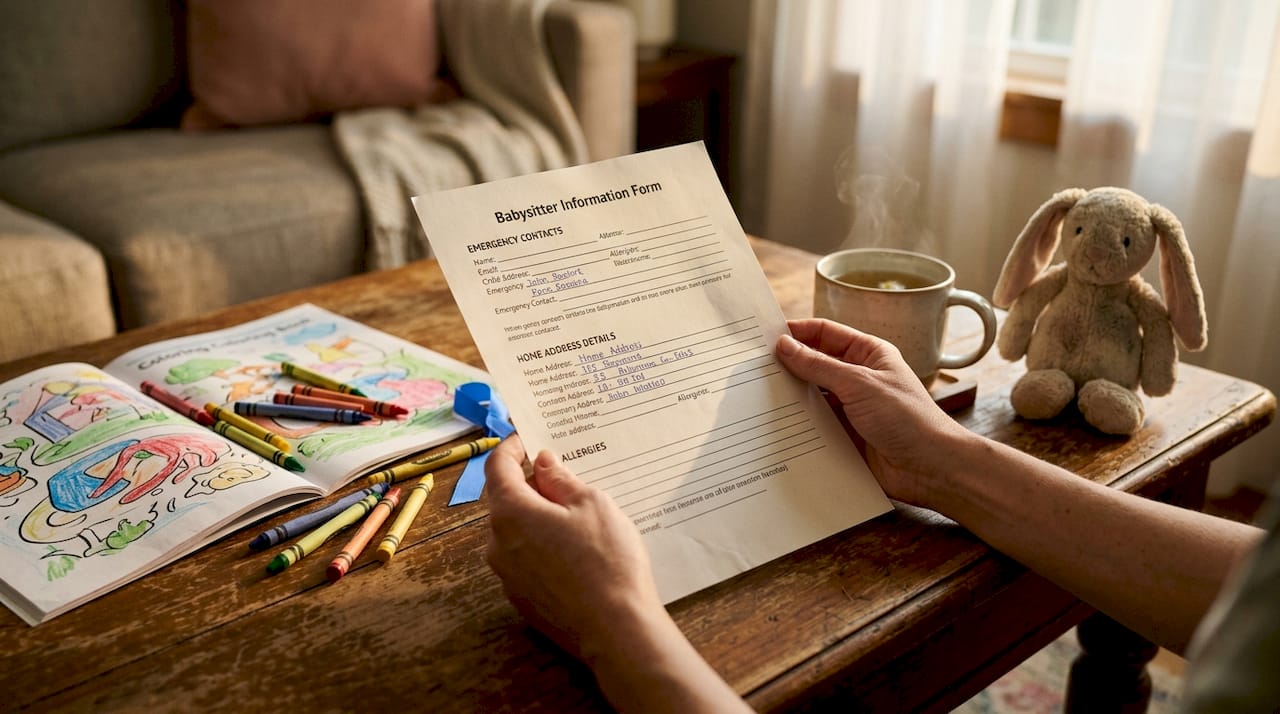
List 911 and Poison Control first, then both parents' cell numbers. Include the nearest cross street alongside your full home address so your sitter can read it accurately to a dispatcher. Add two or three backup adults who live nearby, your pediatrician, and your preferred hospital.
Medical information
Allergies and medication instructions should appear in their own clearly labeled section, not buried in notes. Write out step-by-step directions for any allergy emergency and mark exactly where the EpiPen or other medication is stored.

Daily routines
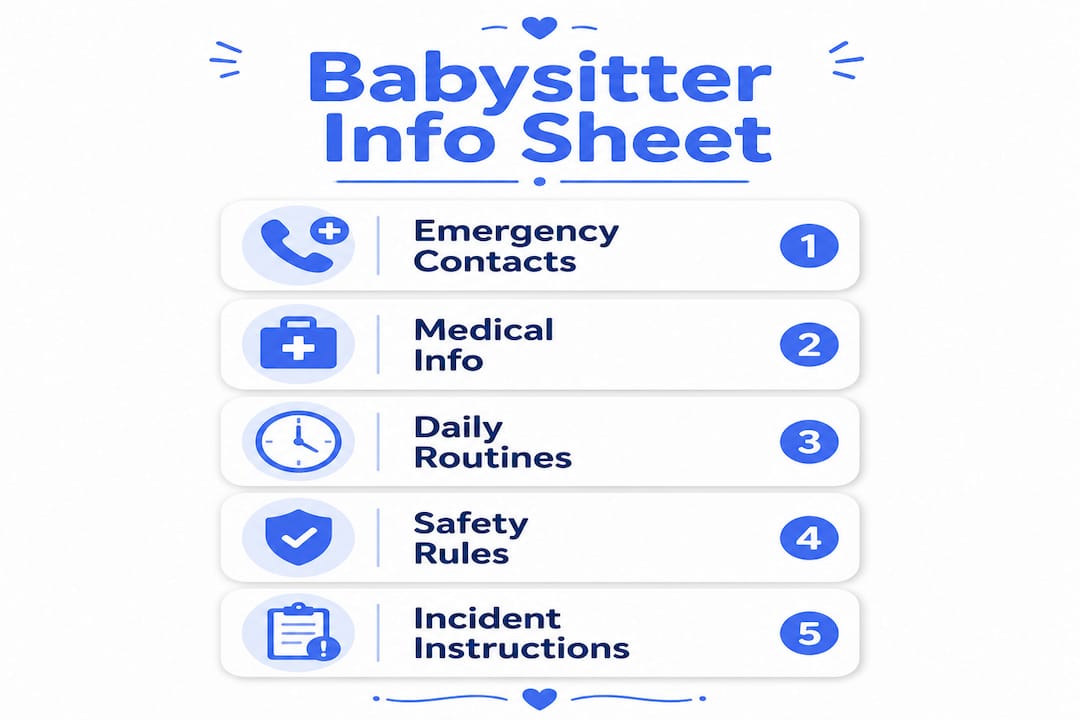
Document meal and snack times, nap windows, screen time limits, and bedtime. Include your child's favorite activities so the sitter can keep things calm and fun, not just managed.
Household rules and safety
Cover appliance operation, Wi-Fi password, alarm codes, and the location of the first-aid kit and fire extinguisher. Note who is authorized to pick up your child and what your discipline approach looks like. A shared information sheet communicates your family's unique culture, which helps a new sitter step in without guessing.
Instructions for minor incidents
Tell your sitter how to handle a scraped knee, a minor fall, or a meltdown. Note any behavior triggers and your preferred response. Clear written guidance removes the pressure of making judgment calls on the fly.
Where can you find free, editable babysitter info sheet templates?
You do not need to build a form from scratch. Several free options are available online.
- Printable PDF templates are available from parenting sites and city government resources, including a child personal information form from Clermont, FL
- Online generators let you fill in your details and produce a clean, print-ready one-pager with 911 and Poison Control already at the top
- Editable Word or Google Docs versions allow you to update phone numbers or medication details without reprinting the whole sheet
Once you have a template, fill it out completely before your first sit. Review it each time you book a sitter, since a new phone number or medication change takes thirty seconds to update and prevents stale information in an emergency.
Pro Tip: Laminate your completed sheet and keep it in one fixed spot, like the refrigerator door or a family command center. Use a dry-erase marker for details that change often, such as where you will be that evening.
Keeping the sheet in a consistent location means both your sitter and any emergency responder can find it immediately without asking.
How to prepare your sitter with the information sheet before you leave
Handing over the sheet is only half the job. Walking through it together makes a real difference.
Safe Sitter® recommends spending about 10 minutes with a repeat sitter and 30 minutes with a new one to review care instructions and house rules before you leave. Use that time to point out the allergy section, confirm the sitter knows where medications are stored, and do a quick house tour.
Written details reduce the reliance on memory during the chaos of a handoff, which is exactly when critical information gets forgotten. Verbal instructions alone are not enough.
- Put emergency contacts and allergy information at the top of the sheet so they are visible at a glance
- Walk the sitter through any appliance or safety equipment they may need to use
- Confirm they know the address and nearest cross street in case they need to call 911
Pro Tip: Ask your sitter to read back the emergency contact section before you leave. It takes under a minute and confirms they know where to look first.
Safe Sitter® also suggests that sitters ask themselves four questions before accepting any job: Am I available? Will I be safe? Am I able? Do I have permission? Encouraging your sitter to think this way builds a foundation of trust and clear expectations on both sides.
Thecaretracker keeps all your care details in one place
Paper sheets work well, but they get lost, go out of date, and require a printer. Thecaretracker gives families and caregivers a free mobile app where all critical care details live digitally and stay current.
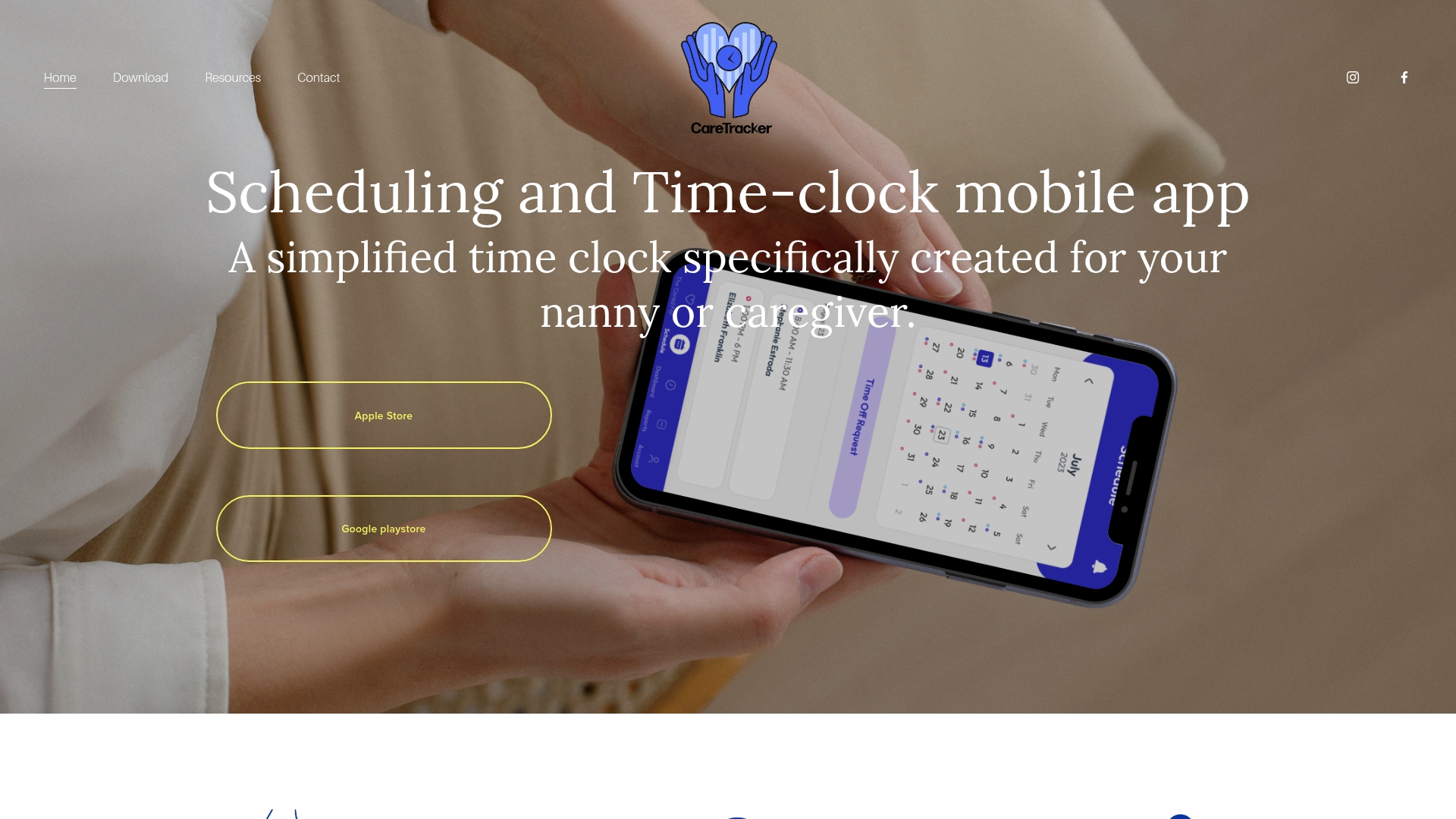
With Thecaretracker, your sitter can access allergies, medications, emergency contacts, nap schedules, and daily activities instantly from their phone. No searching for a laminated sheet. Parents can update details in real time, and caregivers receive schedule requests, view all jobs in one calendar, and track hours accurately. Good scheduling also supports caregiver retention, and consistent scheduling practices reduce stress for everyone involved. Thecaretracker is completely free for caregivers.
Key Takeaways
A complete babysitter information sheet, reviewed with your sitter before you leave, is the single most reliable way to protect your child and support your caregiver.
| Point | Details |
|---|---|
| Emergency contacts come first | List 911 and Poison Control (1-800-222-1222) at the top, before parent numbers. |
| Medical info needs its own section | Allergies and medication steps should be clearly labeled, not buried in general notes. |
| Review time matters | Safe Sitter® recommends 10 minutes with repeat sitters and 30 minutes with new ones. |
| Store it visibly | A laminated sheet in a fixed spot lets sitters and responders find it without searching. |
| Thecaretracker goes digital | The free app keeps allergies, contacts, and schedules updated and accessible instantly. |