
Before a nanny starts caring for a child with allergies, parents must hand over a signed Allergy Emergency Care Plan and make sure an unexpired epinephrine auto-injector is on hand and easy to find. The nanny needs hands-on training in using it. If a severe reaction happens, the order is epinephrine first, then a call to 911, then transport to the ER for observation. A shared app or document keeps this information current so the nanny never has to guess.
TL;DR:
- Nannies must review and practice the Allergy Emergency Care Plan thoroughly, including using a trainer device, to ensure quick, confident action during an emergency.
- An epinephrine auto-injector should always be accessible, and a clear, signed plan ensures the caregiver can administer it promptly without hesitation.
- Recognizing cross-contact and hidden food allergens, especially in processed foods and shared utensils, is critical to prevent accidental severe reactions.
- After administering epinephrine, immediate 911 calls and at least four hours of observation are essential for managing potential returning symptoms.
- Keeping shared allergy information current and accessible through digital profiles reduces risks and streamlines emergency response across multiple caregivers.
Table of Contents
- Common allergy triggers every nanny should recognize
- What to do first when a severe reaction starts
- Getting a nanny ready before the first shift
- Building an allergy alert sheet and handoff templates
- Everyday habits that keep exposure low
- Keeping allergy information current with shared tools
- Where liability falls when a nanny manages allergies
- Managing allergies when more than one child is in care
- What actually builds a nanny's confidence
- Keeping allergy information organized with The Care Tracker
- Authoritative resources and printable templates to download
- Sources
- FAQ
Common allergy triggers every nanny should recognize
Food allergies account for most of the reactions a nanny will encounter, but they are not the only risk. Knowing the categories helps a caregiver spot danger before it becomes an emergency.
Nine foods cause the large majority of allergic reactions in children: milk, eggs, peanuts, tree nuts, soy, wheat, fish, shellfish, and sesame. These allergens hide in places that are easy to miss, like sauces, salad dressings, baked goods, and packaged snacks that list "may contain" warnings in small print.
Environmental allergens work differently. Pet dander, pollen, mold, and dust mites usually cause sneezing, itchy eyes, or a rash rather than a sudden, body-wide reaction. A nanny should still know which environments trigger a child's symptoms, especially before visiting a friend's house with pets or spending time outdoors during high pollen season.

Insect stings, certain medications, and contact allergies such as latex round out the list of common triggers. A child who is allergic to bee stings needs the same emergency readiness as one with a peanut allergy, including quick access to epinephrine during outdoor play.
Cross-contact is the detail that catches many caregivers off guard. A knife used to spread peanut butter and then wiped instead of washed can transfer enough allergen to trigger a severe reaction in a sensitive child.
- Food allergens: milk, eggs, peanuts, tree nuts, soy, wheat, fish, shellfish, and sesame cause most reactions.
- Environmental allergens: pets, pollen, mold, and dust mites typically cause milder, localized symptoms.
- Other triggers: insect stings, medications, and latex require the same level of caution as food allergies.
- Cross-contact risk: a trace amount on a utensil, counter, or hand can be enough to cause a reaction.
What to do first when a severe reaction starts
When a child shows signs of a severe allergic reaction, hesitation costs time the child does not have. The CHOP anaphylaxis clinical pathway is clear that epinephrine is the first treatment, and that antihistamines or inhalers are not substitutes for it.
- Recognize the signs. Look for difficulty breathing, swelling of the face or throat, widespread hives, vomiting, or a sudden drop in energy or consciousness, especially if two or more body systems are involved.
- Give epinephrine immediately. Do not wait to see if symptoms improve on their own; injecting early is safer than injecting late.
- Call 911 right away. Every child who receives epinephrine needs emergency medical follow-up, even if symptoms seem to improve.
- Position and monitor the child. Keep them lying down with legs elevated unless they are vomiting or having trouble breathing, and watch closely for a second wave of symptoms.
- Transport to the ER for observation. The CHOP pathway recommends at least four hours of monitoring because anaphylaxis symptoms can return after they seem to have resolved.
Mild symptoms, like a few hives or mild itching with no breathing trouble, can sometimes be watched closely. Anaphylaxis, which involves the airway, breathing, or circulation, always calls for epinephrine without delay.
The Allergy Emergency Care Plan itself needs specific fields to be useful in a crisis: the exact medication and dose, a checkbox noting whether the child has asthma (which raises risk), a healthcare provider's signature, and up-to-date emergency contacts.
A sizable share of nannies report feeling uncomfortable administering epinephrine, and many are unsure they could recognize an allergy emergency, according to FARE's caregiver research. That gap is exactly what a written plan and hands-on practice are meant to close.
After any epinephrine use, the caregiver must call 911, notify the parents right away, and keep a written record of what happened and when, information EMS will need on arrival.
Getting a nanny ready before the first shift
Confidence during an emergency comes from preparation, not instinct. A short onboarding routine, done together, turns an abstract plan into something a nanny can act on without freezing.
- Sit down together and review the ECP line by line. Read every field aloud, including medication names, doses, and symptoms, and ask the nanny to repeat back the key steps.
- Practice with an epinephrine trainer or an expired auto-injector. FARE recommends practicing on an orange to simulate the resistance and hand placement needed for a real injection.
- Run a mock drill. Have the nanny locate the epinephrine and the ECP without help, ideally under a bit of time pressure, so the search becomes automatic.
- Check storage and expiration dates. Confirm exactly where the emergency kit lives, that it travels with the child on outings, and that nothing inside has expired.
- Agree on the communication order. The rule should be act first, call second: give epinephrine and call 911 before calling the parent, since minutes matter more than permission in a true emergency.
Parents sometimes worry that a nanny will hesitate to use an auto-injector without direct approval. Saying clearly, out loud, "if you're not sure, use it anyway" removes that hesitation before it costs time.
Pro Tip: Practice in low light and with the packaging sealed, the way a real emergency might actually unfold, not just in a calm kitchen with everything laid out.
Once the drill is done, schedule a quick check-in, maybe weekly at first, to revisit the plan, confirm nothing has changed, and answer any new questions.
Building an allergy alert sheet and handoff templates
A plan only works if the nanny can find it fast and understand it instantly. A few short documents, kept in a consistent place, do more for safety than a long binder nobody reads under pressure.
The Allergy Alert Sheet should include a photo of the child, a list of confirmed allergens, the symptoms typical for that child, the exact epinephrine dose, any other medications, a provider's signature, and current emergency contacts. This single page is what a substitute caregiver or new nanny should be able to read in under a minute.
A medication log tracks every dose given: drug name, amount, time administered, lot number and expiration date, and a space for the parent to sign off once they are informed. This matters most after an epinephrine injection, when EMS and the ER will ask exactly what was given and when.
A handoff checklist covers what the nanny needs to know at the start of every shift: what the child last ate, any recent exposures or symptoms, and any outings or meals planned for the day. Parents can build one using a printable sitter information sheet or a short caregiver handoff checklist designed to take just a few minutes at shift change.
- Allergy Alert Sheet: photo, allergens, symptoms, epinephrine dose, other meds, provider signature, contacts.
- Medication log: drug name, dose, time, lot and expiration, parent sign-off.
- Handoff checklist: last meal, recent exposures, planned outings or meals.
- Storage: a physical copy on the fridge or in a kitchen binder, plus a digital copy in a shared app or cloud folder.
Keeping both a paper copy and a digital one means the information survives a dead phone battery or a misplaced binder.
Everyday habits that keep exposure low
Most allergic reactions happen during ordinary moments: snack time, a playdate, a quick stop at a restaurant. A handful of consistent habits closes most of the gaps where accidents happen.
In the kitchen, separate prep areas and color-coded cutting boards or utensils keep allergen-free food from touching anything that contains the trigger ingredient. Wiping a counter with a damp cloth is not enough; surfaces need a real wash with soap and water between uses.

Reading labels takes a second look every time, even for a product bought before. Manufacturers change recipes without warning, and precautionary statements like "may contain" or "processed in a facility with" deserve the same caution as a direct allergen listing.
Outings and playdates need the same preparation as a day at home. Bring the ECP and epinephrine, tell the host family about the allergy in plain terms, and check menus or ask questions before ordering at a restaurant rather than after food arrives.
- Kitchen setup: separate prep areas, dedicated utensils, and a full wash between uses.
- Label reading: check every time, including precautionary statements on familiar products.
- Outings: always carry the ECP and epinephrine, and inform hosts before arrival.
- Asthma link: children with asthma face a higher risk of severe reactions, so their symptoms deserve closer, faster attention.
Pro Tip: Keep a small allergy kit, epinephrine, the ECP, and a wipe, in the diaper bag or backpack so it travels automatically with the child instead of being an extra thing to remember.
Keeping allergy information current with shared tools
Paper plans work until they get lost, outdated, or left at home on the one day they are needed. A shared app gives every caregiver the same information at the same time, which matters most when a substitute nanny steps in with no warning.
The fields worth storing digitally mirror what belongs on paper: the ECP itself, exact medication doses, a current photo, expiration dates for auto-injectors, emergency contacts, and any permission flags a parent wants on record, like consent to administer medication.
A few habits turn that stored information into a daily safety routine. A nanny reviews the ECP at the start of each shift and confirms she has seen it, logs any medication given in real time, and can report an incident the moment it happens rather than trying to recall details later. When multiple caregivers share a child's care, everyone works from the same record instead of separate memories.
- Store centrally: ECP, med doses, photos, expiration dates, contacts, and permissions in one place.
- Confirm reviews: a time-stamped note that the nanny has seen the current plan before each shift.
- Log in real time: medication given, symptoms noticed, or an incident reported as it happens.
- Coordinate across caregivers: every nanny or family member sees the same, current version.
A digital care profile built for allergy information removes the guesswork that comes with outdated printouts, and it means a new caregiver can get up to speed in minutes instead of a full conversation.
Where liability falls when a nanny manages allergies
Nannies are not medical professionals, but courts and employment agreements generally expect them to act reasonably on the information and training a family provides. That means following a signed ECP, using epinephrine when the plan calls for it, and calling 911 promptly are treated as reasonable, expected actions rather than overreach.
Liability tends to shift toward parents when they fail to provide a current care plan, working medication, or basic training, since a nanny cannot be expected to manage a risk she was never told about. It shifts toward the nanny when she ignores a documented plan, delays calling for help, or acts outside what the family authorized.
A written, signed ECP protects both sides. It gives the nanny clear authorization to act without waiting for permission mid-emergency, and it gives parents a record showing they met their responsibility to inform and prepare their caregiver. Guidance on written care plans points to this same structure: a provider-signed plan, reviewed and understood by the caregiver before care begins.
Because specific liability rules vary by state and by the terms of a nanny's employment agreement, families with serious concerns should confirm their coverage with a household employment attorney or their homeowner's or nanny-specific insurance policy rather than relying on general assumptions.
Managing allergies when more than one child is in care
A nanny watching several children, whether siblings or kids from different families, faces a different set of risks than one caring for a single child. Cross-contact between children's snacks, shared toys that touched food, and mixed messages about what is safe for whom all raise the chance of a mistake.
The CDC's voluntary guidelines for managing food allergies in early care settings offer a useful framework even outside a formal daycare: staff training before care begins, a written plan for every child with allergies, and daily practices that prevent accidental exposure. Applying that same structure at home means treating each child's ECP as equally binding, not informal for one child and strict for another.
Practical steps matter most here. Keep each child's allergy information visibly separate so a nanny never mixes up which snack belongs to which child, designate an allergen-free snack option that is safe for every child present, and avoid group activities like shared baking or messy play with common allergens like peanut butter or wheat flour. When siblings or multiple children are in care together, the nanny should know every child's triggers, not just the one who is officially "the allergy kid," since cross-contact does not respect which child a snack was meant for.
What actually builds a nanny's confidence
The nannies who handle allergy emergencies well are not the ones who memorized the plan hardest. They are the ones who practiced it out loud, asked questions before they mattered, and were told clearly that acting first is always the right call.
A short drill, walking through where the epinephrine lives, what the first sign of trouble looks like, and who to call and when, does more for confidence than reading a plan twice. When something does not add up, a nanny should feel free to ask, not worry that a question makes her look unprepared.
Normalize acting first and debriefing after. A nanny who gives epinephrine when a reaction turns out to be milder than expected made the right call with the information she had at that moment. A quick, calm conversation afterward, what worked, what to adjust, builds trust for next time instead of second-guessing.
— mercedes
Keeping allergy information organized with The Care Tracker
Once the ECP is signed and the training is done, the harder part is keeping that information current and accessible every single day. The Care Tracker gives nannies and families one shared place to store the details that matter most: allergies, medication doses, emergency contacts, and daily schedules, all updated in real time instead of buried in an old text thread.
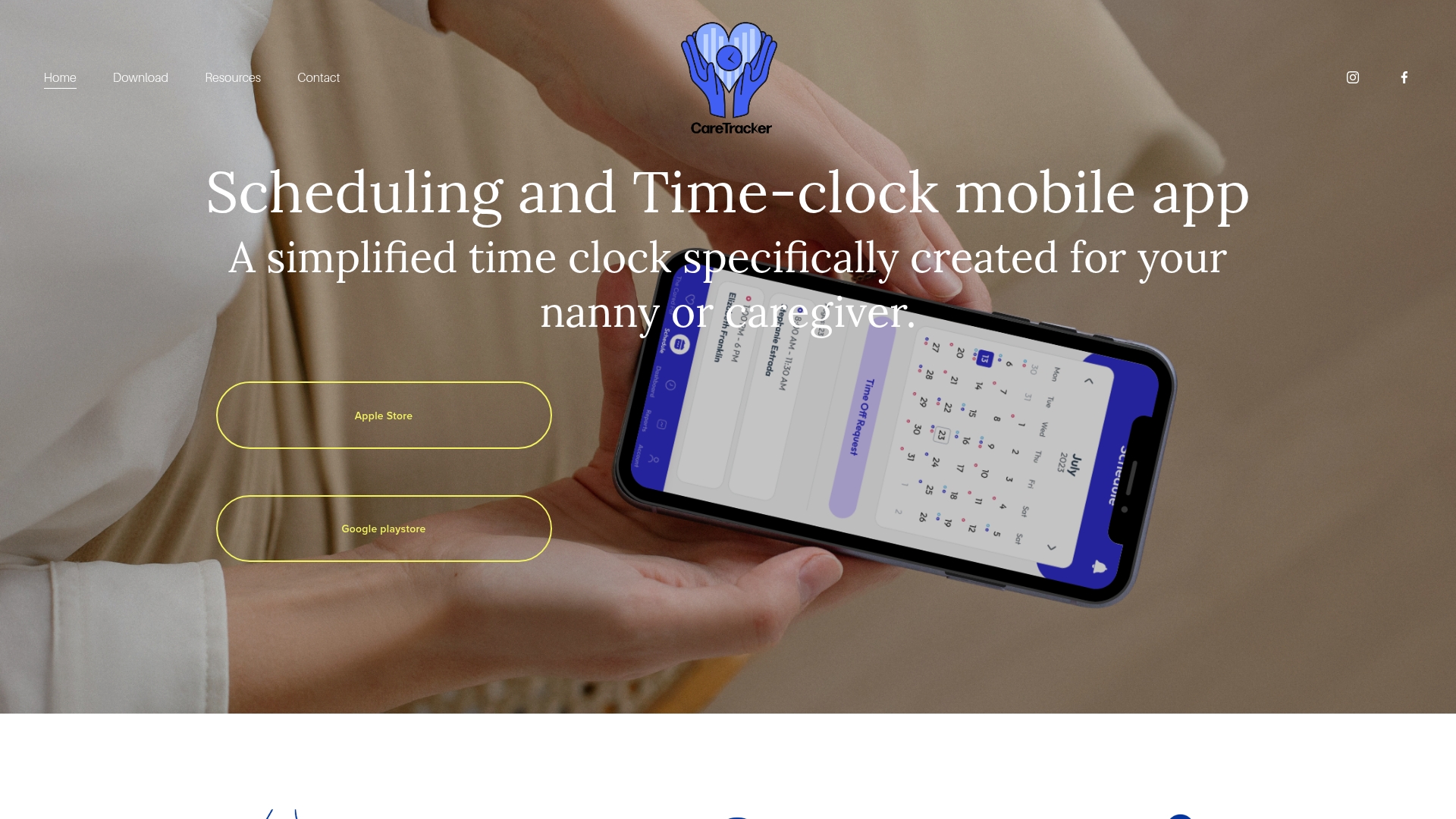
During onboarding, a family can build a full care profile in minutes, and any nanny added to that child's care sees the same current information the moment they open the app. After an incident, that same record makes it easy to log what happened and share it instantly with every caregiver involved, so nothing gets lost between shifts.
- Store allergies, medications, and emergency contacts in one care profile.
- Give every caregiver instant access to the current ECP and dosing information.
- Track nap and nursing schedules alongside medical details.
- Coordinate multiple caregivers without relying on separate notes or memory.
The app is available for caregivers to use at no cost. Families ready to centralize allergy information and daily care details can set up a care profile and get every nanny working from the same page.
Authoritative resources and printable templates to download
Parents building an allergy plan for the first time do not need to start from scratch. A few established resources cover the templates, science, and staff guidance that this article draws from.
- FARE's caregiver guidance and fillable Emergency Care Plan gives parents a provider-signable template with the exact fields a nanny needs in an emergency.
- Research on early allergen introduction, including the LEAP study, explains why introducing peanut and egg early, around 4 to 6 months for high-risk infants, can lower the risk of developing a food allergy later.
- CDC's voluntary guidelines for managing food allergies outline training and prevention practices originally built for schools and early care programs, adaptable to a nanny-run household.
This article is general information, not a substitute for advice from a qualified doctor. Consult a qualified healthcare professional about your own circumstances before acting on anything here.
Sources
- Anaphylaxis clinical pathway — Children's Hospital of Philadelphia (CHOP)
- Early introduction of allergenic foods and the prevention of food allergy — PMC
- CDC voluntary guidelines for managing food allergies — PDF
FAQ
What are good first allergenic foods to try with my baby?
Common first allergenic foods include well-cooked egg and smooth peanut butter thinned with water or breast milk, introduced one at a time. Research on early introduction supports starting around 4 to 6 months for high-risk infants, but a pediatrician should guide timing and method for any child with a family history of allergies.
How should a nanny handle caring for a child with allergies?
A nanny should review the signed Allergy Emergency Care Plan before the first shift, know exactly where the epinephrine is stored, and practice using a trainer device until the steps feel automatic. During care, she should avoid known allergens, read labels carefully, and act immediately, epinephrine first, then 911, if a severe reaction starts.
Can a nanny call off work because of her own allergies?
Whether a nanny can take time off for her own allergy symptoms depends on her employment agreement with the family, since household employment terms vary widely rather than following one universal rule. Most nanny contracts address sick time separately from other leave, so checking that agreement is the clearest way to answer this for a specific situation.
What is the four-hour observation rule for allergic reactions?
After a child receives epinephrine for a severe allergic reaction, clinical guidance recommends at least four hours of observation in an emergency room. This window exists because anaphylaxis symptoms can return even after the initial reaction appears to have resolved.