
Stop the immediate crisis first: secure coverage, confirm your loved one is safe, and get the change in writing. Everything else, including who was at fault and whether a policy needs to change, can wait until coverage is settled.
Do these things in the next 5 to 60 minutes:
- Call your backup caregiver or a trusted family member to cover the gap.
- Check in with the care recipient directly or through a neighbor if you can't get there yourself.
- Text or call the caregiver who missed the shift, calmly, to find out what happened.
- Write down the date, time, and what occurred while it's fresh.
- If medication was missed or a health risk exists, call the care recipient's doctor or 911.
Quick fact: 69% of family caregivers have had to rearrange personal responsibilities or take unpaid leave because of a caregiving scheduling conflict. That's the reason a fast, calm response matters more than an angry one. Once coverage is stable, schedule a short family debrief within 24 to 72 hours to prevent a repeat.
Key Takeaways
Resolving caregiver schedule conflicts requires immediate coverage, a written care plan, and one shared scheduling source everyone actually uses.
| Point | Details |
|---|---|
| Secure coverage first | Call a backup caregiver and confirm the care recipient's safety before addressing blame. |
| Use a written caregiving plan | Assign hours, tasks, and emergency contacts in writing to remove ambiguity. |
| Publish schedules early | Sharing the roster two weeks ahead reduces last-minute call-offs and swap conflicts. |
| Document every incident | Log dates, times, and outcomes so patterns are visible before escalation is needed. |
| Centralize with Thecaretracker | The free app gives caregivers and families one published roster, approvals, and care notes instead of scattered texts. |
Table of Contents
- Why Caregiver Schedule Conflicts Keep Happening
- How to Resolve a Current Scheduling Conflict Step by Step
- Building a Written Plan to Prevent Future Conflicts
- Tools and Scripts That Keep Everyone on the Same Page
- When a Scheduling Conflict Needs to Be Escalated
- How a Scheduling App Like Thecaretracker Prevents Repeat Conflicts
- Try Thecaretracker to Stop Scheduling Conflicts Before They Start
- Frequently Asked Questions
- Sources
Why Caregiver Schedule Conflicts Keep Happening
Most scheduling issues for caregivers trace back to a handful of repeat offenders, not bad luck. Recognizing the pattern is the first step toward fixing it instead of just patching it.
- Missed shifts: A caregiver forgets, oversleeps, or assumes someone else is covering.
- Double-booking: Two family members independently schedule different caregivers for the same block.
- Last-minute call-offs: A caregiver cancels with little or no notice, often due to illness or transportation.
- Split-shift collisions: Morning and evening caregivers overlap or leave a gap between them.
- Overlapping family commitments: Siblings each assume the other confirmed coverage for a holiday or appointment.
The root causes sit underneath these examples. Unclear expectations top the list. If nobody agreed in writing that Tuesday mornings are covered, a caregiver reasonably assumes it's optional. Vague notice rules make it worse. Communication gaps compound both. If schedule updates live in scattered text threads instead of one shared source, someone will always be working from outdated information. Add transportation or health issues, unresolved family disagreements about who manages care, and unequal hour distribution that burns out your most reliable caregiver, and conflict becomes close to inevitable.
Picture this scenario: two siblings both text a caregiver, thinking they've confirmed Thursday coverage. The caregiver assumes it's covered by the other, no one shows, and the client is alone until someone notices at noon. Nothing about that story involves a "bad" caregiver. It's a system with no single source of truth.
How to Resolve a Current Scheduling Conflict Step by Step
Once the immediate emergency is handled, work through the conflict methodically. Rushed conversations tend to produce blame instead of solutions, and blame rarely fixes a scheduling problem.
- Confirm safety and stabilize coverage. Before anything else, make sure the care recipient is safe right now and someone reliable is in place for the next shift.
- Call the caregiver using a prepared, non-accusatory script. Try: "I noticed the Tuesday shift wasn't covered. Can you walk me through what happened?" This opens dialogue instead of triggering defensiveness.
- Clarify the missed expectation. State plainly what was expected, when, and how it was communicated. If it wasn't in writing, note that gap for later.
- Negotiate a near-term fix. A short script here helps: "Would swapping Thursday for Tuesday next week work for you?" or "I can offer backup pay if you can cover this weekend on short notice."
- Document the agreement. Write down what was decided and who confirmed it, even if it's a two-line note in a shared app or email.
Pro Tip: Use "I" statements even when you're frustrated. "I need to understand what happened" lands very differently than "You didn't show up again." The first invites a conversation; the second ends one.
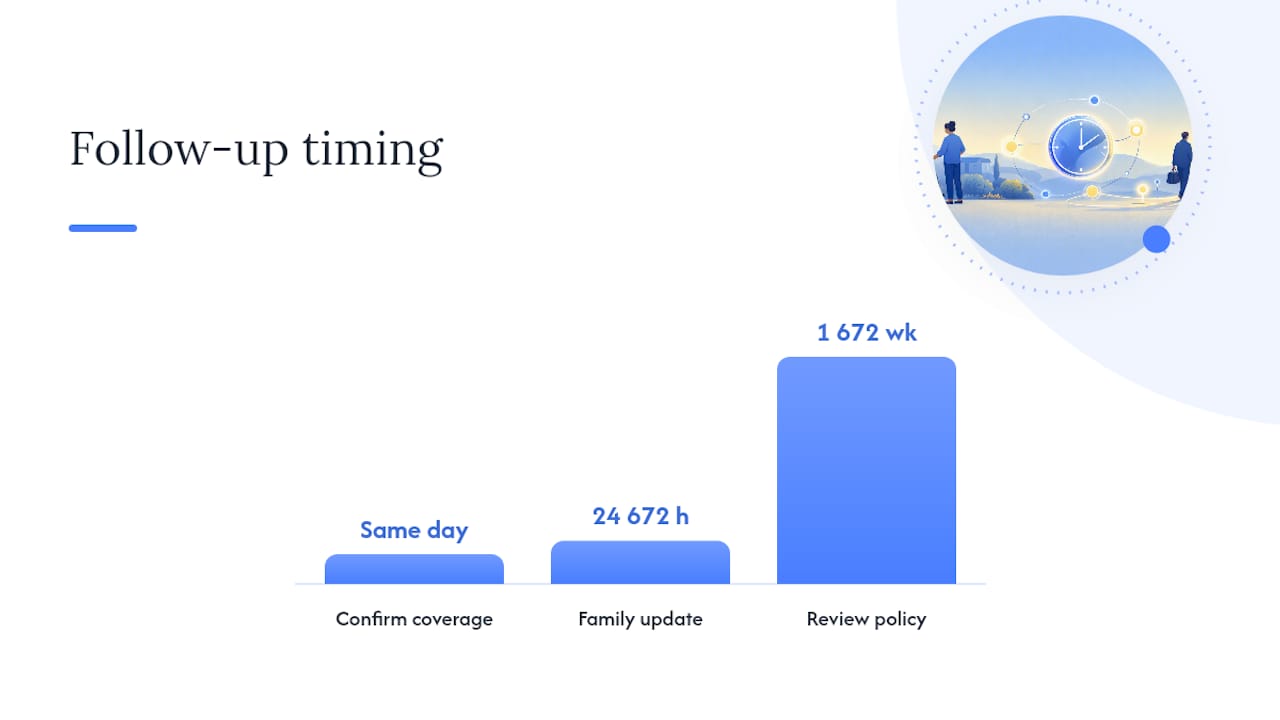
Follow-up matters as much as the initial fix. Same day, confirm coverage is holding and log what happened. Within 24 to 72 hours, hold a short family meeting or update the written plan so everyone, not just the people involved in the incident, knows what changed. Within one to two weeks, review whether this was a one-time issue or a sign that your scheduling policy or tool needs an update.
Keep a simple incident log: who was involved, when it happened, what was agreed, and whether it's the first occurrence or a pattern. If the caregiver comes through an agency, loop in your agency contact once you've documented at least two incidents. That record protects you and gives the agency something concrete to act on rather than a vague complaint.
Building a Written Plan to Prevent Future Conflicts
Most caregiver scheduling solutions come down to one unglamorous habit: writing things down before they become a dispute. The Special Needs Alliance recommends creating a written caregiving plan that clearly assigns tasks like medical appointments, daily care, groceries, and communication responsibilities, precisely because ambiguity is what breeds conflict in the first place.
Your written plan should include:
- Regular working hours and preferred caregivers for each shift
- Emergency contacts and who to call first, second, and third
- Medication windows and any time-sensitive care tasks
- Travel expectations, including who drives to appointments
Pair the plan with a short policy checklist:
- Publish the schedule at least two weeks ahead whenever possible.
- Require minimum notice, ideally 48 to 72 hours, for planned time off.
- Document every shift swap approval instead of relying on a verbal "sure, that's fine."
- Set overtime caps so no single caregiver is quietly absorbing extra hours.
- Rotate weekends and holidays fairly across your caregiving team.
Build a backup pool before you need it: name at least two backup caregivers in your written plan, and identify local resources through directories like NAPSA's help-in-your-area tool for emergencies your own network can't cover. If multiple family members are involved in scheduling, hold a short family meeting to decide who has final say over the calendar and write that decision down too, so it isn't relitigated every time there's a disagreement. Keep the whole plan in one shared folder, or inside an app like Thecaretracker, so nobody is working from an outdated printout.
Tools and Scripts That Keep Everyone on the Same Page
The right caregiver scheduling solutions aren't complicated. A shared calendar works for simple, single-caregiver households. A group chat can supplement communication but should never serve as the official record of shift changes, since messages get buried and misread. A time-tracking app matters once you're paying more than one caregiver, and a dedicated scheduling app earns its place the moment more than two people, family or caregivers, need visibility into the same calendar.
A few templates solve most day-to-day friction:
- A one-page written caregiving plan (see the prevention section above)
- A simple shift-swap request form so trades get documented, not just texted
- A breach log recording any missed or late shift, with date, reason, and resolution
Scripts help too. For a caregiver requesting coverage: "I have a conflict on Friday. Can someone swap with me, or should I flag this as an open shift?" For a family member explaining a missed shift to a caregiver: "We noticed the log wasn't updated Tuesday, can you confirm what happened so we can fix the gap?"
The single most useful habit here is publishing from one source only. Once schedule changes start living in parallel text threads instead of an official roster, confusion multiplies fast, and payroll or attendance records stop matching what actually happened.
When a Scheduling Conflict Needs to Be Escalated
Not every conflict is a one-off. When you see a pattern, whether that's repeated late arrivals, missed medications, or unexplained no-shows, it's time to escalate rather than keep negotiating informally.
Document every incident with dates, times, which care tasks were affected, any witnesses, and whether the missed shift led to a real safety outcome like a skipped medication or a missed appointment.
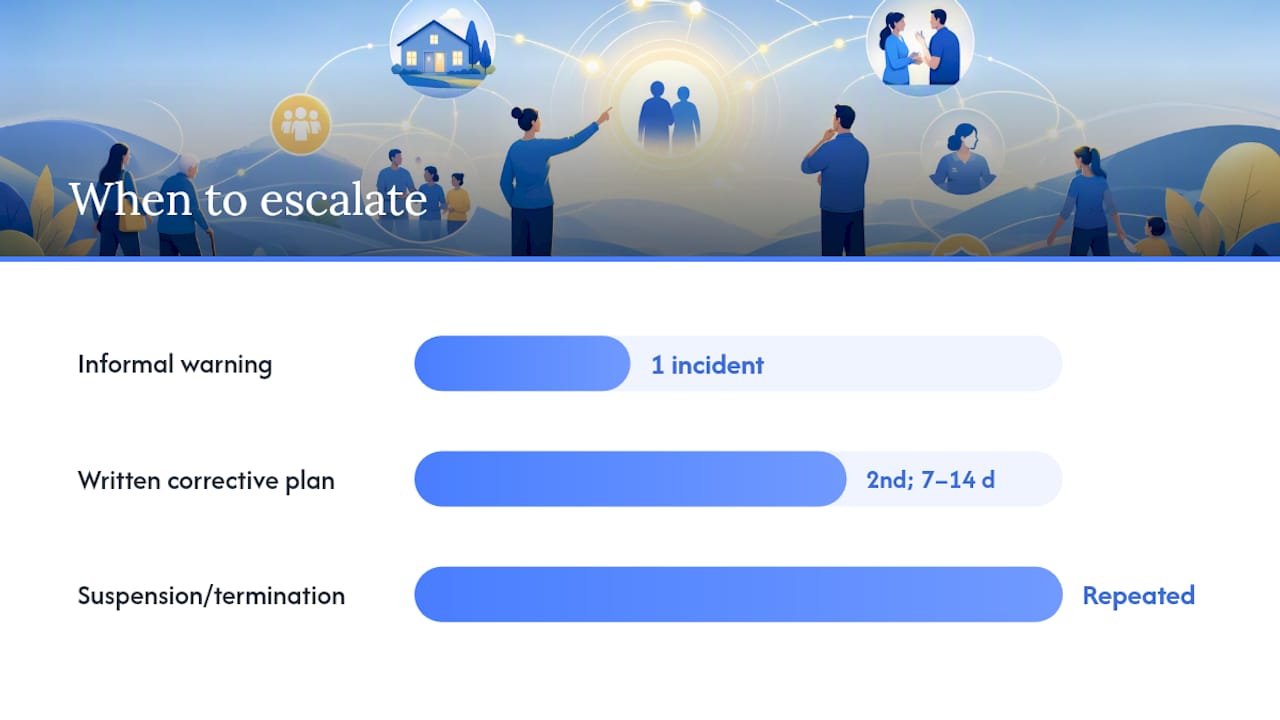
- Informal warning: A direct conversation and a written note in the file after the first clear incident.
- Written corrective plan: A documented plan with specific expectations and a 7 to 14 day review window after a second incident.
- Suspension or termination: Reserved for repeated failures that affect safety or continuity of care.
Pro Tip: Treat every schedule policy change the same way for every caregiver on your team. Uneven enforcement is what turns a performance issue into a legal dispute.
If a caregiver's employment status, overtime, or pay rate is part of the conflict, that's a labor-rights question, not just a scheduling one, and it deserves its own review with a payroll or tax adviser rather than a hallway conversation.
How a Scheduling App Like Thecaretracker Prevents Repeat Conflicts
Most of the prevention steps above get easier with the right tool behind them. Thecaretracker centralizes the schedule so nobody is guessing which text thread has the real answer.
Features that map directly to the conflicts above:
- A unified calendar showing every caregiver's shifts in one place
- Schedule requests and approvals that replace verbal "yeah, that's fine" swaps
- Accurate hour tracking so overtime and fair distribution are visible, not assumed
- Shared care notes covering allergies, medications, and emergency contacts
- Push alerts the moment a shift changes, instead of a missed text
Setting it up takes four steps: create a care recipient profile, capture each caregiver's real availability, publish the week, and tag backup caregivers for open-shift coverage.
Two examples show how this plays out. A caregiver calls off Tuesday morning; instead of a scramble, the open shift posts in the app and a backup caregiver picks it up within the hour. In another household, a family dispute over "who agreed to what" gets settled in minutes by pulling up the published roster and the logged approval, no memory required.
A Family's Note on What Actually Changed
The turning point in our household wasn't a hard conversation. It was publishing the schedule two full weeks ahead instead of filling gaps day by day.
Once every caregiver could see the whole month, last-minute call-offs dropped, and swaps stopped feeling like emergencies. The relationships genuinely got easier once nobody had to guess.
Try Thecaretracker to Stop Scheduling Conflicts Before They Start
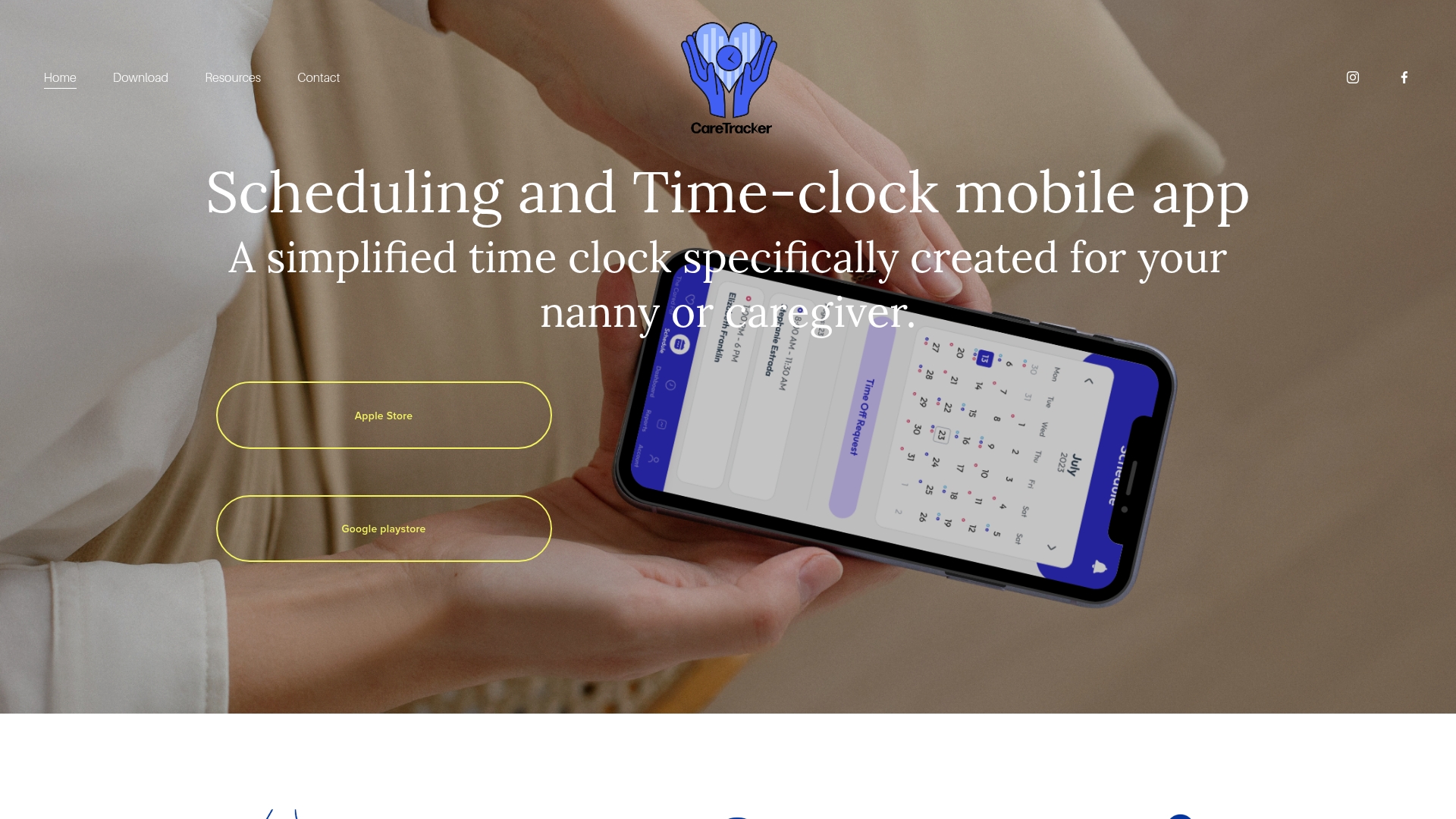
Most of the fixes in this guide, the written plan, the published roster, the backup pool, work far better when they live in one app instead of scattered texts and sticky notes. Thecaretracker gives families and caregivers a single shared source for hours, schedules, and care details, and it's free for caregivers to use.
A few things it handles directly:
- A published roster caregivers and family members both see, with no parallel text threads
- Time-off and shift-swap requests that get approved in the app instead of a phone game
- Instant access to allergies, medications, and emergency contacts during a shift change
If your household is juggling more than one caregiver, or you're tired of finding out about a schedule change after the fact, set up your care recipient profile today and publish your first two weeks of shifts.
Frequently Asked Questions
What's the fastest way to resolve a caregiver schedule conflict? Secure temporary coverage first, confirm the care recipient's safety, then contact the caregiver calmly to clarify what happened before negotiating a fix.
How far in advance should a caregiver schedule be published? Two weeks is a solid standard. It gives caregivers time to plan around it and sharply cuts down on last-minute call-offs and double-booking.
What should go into a written caregiving plan? Regular hours, preferred caregivers, emergency contacts, medication windows, and travel expectations, all kept in one shared, easy-to-find document.
When should a scheduling issue be escalated instead of handled informally? Once you see a repeated pattern, especially one involving missed medications or safety outcomes, move from a conversation to a documented corrective plan with a set review timeline.
Can a scheduling app really prevent these conflicts? A tool like Thecaretracker won't stop every human mix-up, but a single published roster with alerts and approvals removes most of the guesswork that causes conflicts in the first place.
Sources
- Caregiver statistics: Work and caregiving
- Five Ways to Avoid Conflict When Caring for an Elderly or Infirm Loved One
- Help in your area