
To approve caregiver time off, check the request against your written agreement, confirm the dates and whether the time is paid, arrange backup care, and reply in writing so both sides have the same record. Most disputes come from missing details, not bad intent. This guide walks you through each step. It also covers the rules that may apply in your state and how to keep approved dates organized.
TL;DR
- Put your time-off terms in a written agreement before the first request arrives: paid or unpaid, how leave is earned, notice required, and what happens to unused days.
- Ask for at least two weeks' notice for planned time away, and expect emergencies to be reported as soon as the caregiver knows.
- Federal law does not require paid vacation or sick pay for household employees, but some states do, so check your state's labor department.
- Answer every request in writing, with the dates, pay status and backup plan, and keep one shared calendar and time record.
- A free caregiver app can keep requests, approvals and hours in one place.
Table of Contents
- What approving time off really involves
- Start with a written agreement
- How much notice to expect
- Paid or unpaid: what the law says
- How to respond to a time-off request, step by step
- What to do when you cannot say yes
- Unexpected absences and sick days
- Keeping approved dates clear and organized
- Our perspective: approval should be a record, not a favor
- Handle requests and hours in one place
- A simple time-off policy you can adapt
- Common mistakes to avoid
- Summary
- FAQ
- Sources
What approving time off really involves
Approving a request is more than saying yes. You are deciding four things at once: whether the dates work for your household, whether the time is paid, who covers the care, and how the absence gets recorded for payroll.
When families skip any of these, trouble follows. A caregiver assumes a day is paid, and the parent assumes it is not. A request made in a text message gets buried. Nobody arranged coverage, and a parent scrambles at 7 a.m.
A clear process protects both sides. The caregiver knows where they stand, and you can plan your own work around their absence. That is the peace of mind this guide is built around.
Start with a written agreement
The easiest request to approve is one your agreement already answers. The National Domestic Workers Alliance advises families to negotiate employment terms and put them in a written agreement, including compensation, work hours, responsibilities and policies. That same guide says time off and scheduling belong in it.
The U.S. Department of Labor publishes an employment sample agreement for nannies that is a good template. It says the family and nanny should agree in writing on leave, including:
- Whether the leave is paid or unpaid.
- How it is earned.
- What it may be used for.
- How much notice is required.
- Whether unused days carry over.
- Where applicable, whether unused paid vacation is paid out when employment ends.
The same sample separates vacation from sick leave. Vacation is time off for leisure and should come with a stated advance-notice period. Sick leave should require reasonable notice when possible, because nobody can schedule an illness.
One payroll provider also suggests settling how requests are submitted and whether several days can be taken in a row. Those two small points prevent a surprising number of arguments.
Review it once a year
The International Nanny Association recommends that work agreements be reviewed annually, or sooner when the role changes, such as new duties or a different schedule. A new baby, a school start or a change in a senior's health are all good reasons to revisit the leave terms.
How much notice to expect
A simple rule works for most households:
- Planned time away: a guide from a California nanny-employment resource suggests requesting it at least two weeks ahead.
- Unplanned or emergency absences: the same guide says to communicate them as soon as it becomes clear an absence is needed.
Families with live-in or multi-caregiver setups may want longer notice for peak times such as school breaks and holidays. Whatever you choose, write it down. A number in the agreement turns an awkward conversation into a policy.
Notice under FMLA is a separate matter
Most household employers are not covered by the Family and Medical Leave Act, which generally applies to larger employers. If it does apply to someone in your situation, the Department of Labor says employees must give 30 days' notice when the need for leave is foreseeable. When it is foreseeable less than 30 days ahead, notice is due as soon as practicable, generally the same or next business day. Do not assume your nanny's request falls under FMLA. Check with your state labor department or a payroll specialist.
Paid or unpaid: what the law says
This is the question families ask most. At the federal level, the answer is that you have room to decide.
The Department of Labor's FLSA reference guide states that the Fair Labor Standards Act does not require vacation time, holiday pay or sick pay. Terms the law does not cover are left to agreement between employer and employee.
State and local rules can go further. Two examples:
- New York: the state's Domestic Workers' Bill of Rights gives domestic workers three paid days of rest each year after one year of work for the same employer.
- Massachusetts: under state regulation 940 CMR 32.04, employers of a domestic worker for 16 or more hours a week must provide a written agreement covering hours and time off. They must also provide time sheets at least every two weeks for both parties to acknowledge.
Other states and cities have their own sick leave and paid leave laws, and these change. The National Domestic Workers Alliance urges employers to check their local department of labor websites for state and city rules on domestic worker rights. If you are new to household employment, the INA suggests that you follow employment tax and workers' compensation laws and consider a nanny payroll specialist.
Why many families offer paid time off anyway
Even where it is optional, paid time off is common in good households. Hand in Hand, a national organization for domestic employers, notes that paid time off helps employees stay rested and healthy and ready to do their jobs well. A rested caregiver is a safer, steadier caregiver for your child or parent.
How to respond to a time-off request, step by step
Here is a process you can use every time. It takes about five minutes.
1. Read the request for the essentials
A complete request names the dates, the reason if the caregiver wants to share it, and whether they are asking for paid or unpaid time. If something is missing, ask right away instead of guessing.
2. Check it against your agreement
Is the notice long enough? Does the caregiver have accrued days? Does it overlap with a date you already flagged as essential, such as a work trip or a medical appointment? If the request fits the policy, approval should be routine.
3. Decide on pay status
Say it plainly: "This will be a paid vacation day" or "This will be unpaid." Confusion about pay is the main source of resentment, so do not leave it implied. Also remember the INA recommendation that families pay for all agreed-upon hours even if they come home early or another caregiver covers a shift. That applies to hours you cancelled, not to approved unpaid days.
4. Line up backup care
One family contract template recommends having a backup plan using family, friends or neighbors for when a caregiver is unavailable. Do this at approval, not the night before. For a senior, also share the care routine with whoever steps in: medications, allergies, emergency contacts and daily activities.

5. Reply in writing
Confirm the dates, pay status and who covers. A short message is enough:
"Approved: Monday, June 9 through Friday, June 13, as paid vacation. We will arrange coverage and send you the schedule for the week you return. Thanks for the notice."
6. Update the shared schedule and payroll record
An approval that lives only in a text thread is easy to lose. Put it in the shared calendar and the time record the same day, so the pay period reflects it correctly.
What to do when you cannot say yes
Sometimes the dates collide with something you cannot move. You can decline without damaging the relationship.
The National Domestic Workers Alliance recommends that employers stay flexible and open to reasonable adjustments when negotiating time off, and that they listen actively to the nanny's needs. In practice:
- Reply quickly. A fast "I need to look at this" is better than silence.
- Explain the conflict. One honest sentence about why those dates are hard is enough.
- Offer alternatives. Suggest nearby dates, a split of the days, or a trade for another time.
- Keep the policy consistent. If the agreement says blackout dates exist, point to them. If it does not, you are negotiating, not enforcing.
Hand in Hand's guidance says that clarity and trust come from a mutually agreed written agreement and regular check-ins, not from a single verbal approval. A brief monthly conversation about upcoming plans makes most requests predictable.
Unexpected absences and sick days
Planned vacation is the easy case. Illness, a family emergency or a car breakdown is harder. Your agreement should say:
- Who the caregiver contacts, and by when (for example, before a set time on the morning of a shift).
- Whether sick days are paid, and how many.
- Whether you may ask for a note after several days.
- What the backup plan is.
Keep the tone caring. A caregiver who fears losing pay or goodwill may come to work sick, which is bad for your child or older relative. Match any rules to your state's laws, since some states require paid sick leave for household workers.
Keeping approved dates clear and organized
A simple routine beats a clever system. One family-schedule guide suggests you keep the schedule on hand, post it or add it to a phone calendar, talk about it together and review it at the start of each day.
For time off, that means:
- One place where requests are made.
- One place where approvals are recorded.
- One calendar everyone can see, including any second caregiver.
- A time record that matches the calendar.
If you manage more than one caregiver, shared visibility matters even more. Our guides on coordinating multiple caregivers and building a rotating caregiver schedule show how to avoid gaps when someone is away. For the record-keeping side, see our walkthrough of caregiver time tracking for families.
Our perspective: approval should be a record, not a favor
We built Thecaretracker for nannies and caregivers, and it is free for them. We see the same pattern in households again and again. Time off goes wrong when it is handled informally: a verbal "sure," a text that scrolls away, a pay period where nobody remembers what was agreed.

Our view is that every request should leave a trace both sides can see. When a caregiver submits a request and the family approves it in the same place, there is no argument later about dates or pay. The same goes for hours. Accurate records are fair to the caregiver and protect you as the employer, especially if you are asked to show what you paid and why.
We also think the tone matters as much as the tool. Approving time off promptly and kindly builds trust, and trust is what keeps a good caregiver. Transparency is not about watching someone. It is about making sure both people are working from the same facts.
— mercedes
Handle requests and hours in one place
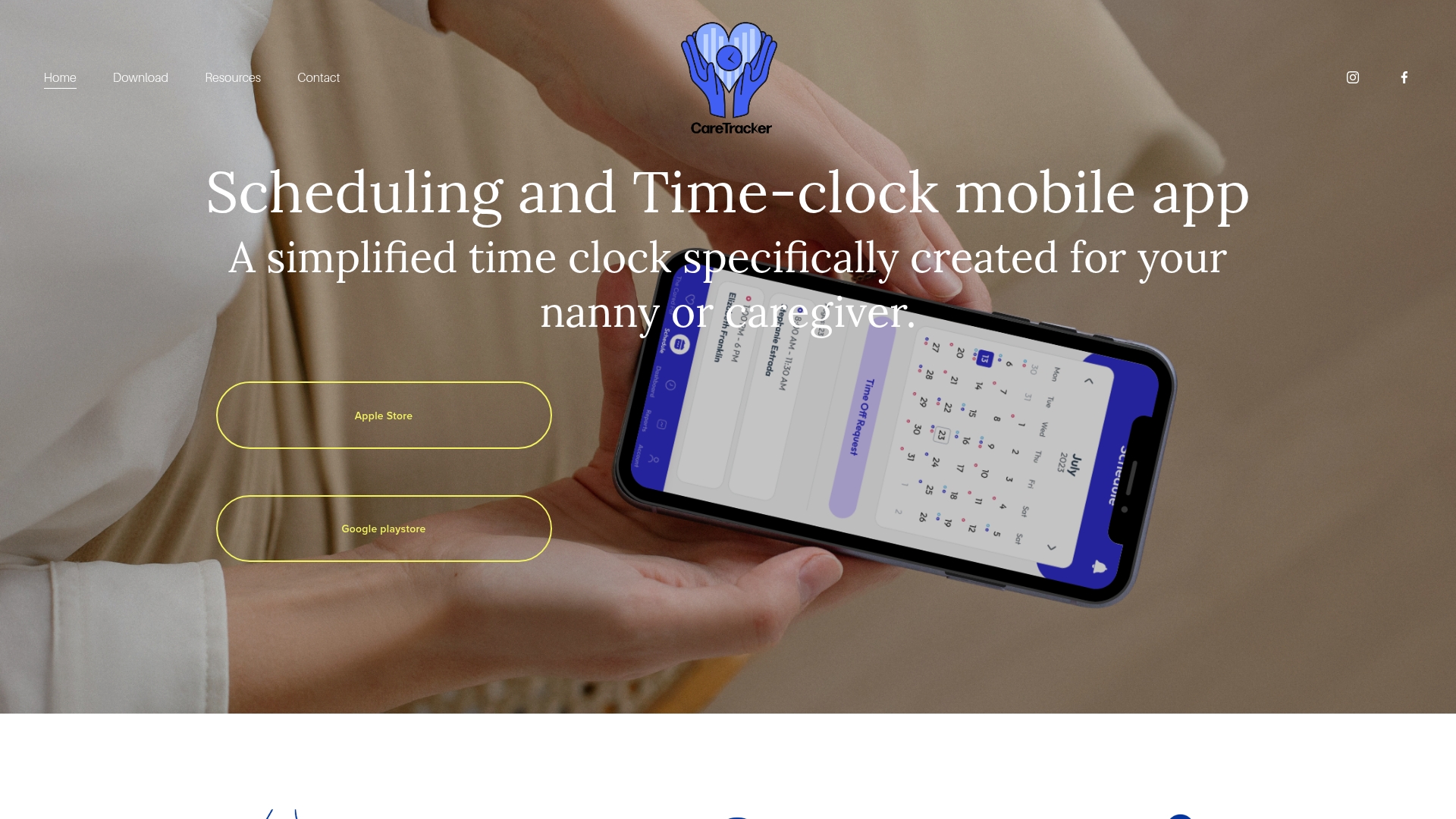
Our mobile app for nannies and caregivers lets caregivers track weekly hours, see all their jobs in one calendar, and send and approve schedule requests. It also supports time-off and reimbursement requests, care recipient profiles with details such as allergies, medications, emergency contacts and nap schedules, and pay period and overtime tracking that follows state rules. Caregivers use it free.
If you are the employer and unsure how time off should show up in payroll, we offer a one-time Standard Payroll Consultation package for $150 in our store. If your past records need work, see our prior wage reporting and household payroll cleanup services. Our nanny time tracking page explains how the hours side works.
A simple time-off policy you can adapt
Here is a plain-language outline. Adjust each item to your state's rules and your household.
| Topic | What to decide |
|---|---|
| Paid vacation | Number of days per year, and when they begin |
| Sick leave | Paid or unpaid, number of days, when a note is needed |
| Notice for planned time off | For example, two weeks |
| How to request | In the app, by email or by text, but always the same way |
| Consecutive days | Whether several days or a full week may be taken together |
| Unused days | Carryover, expiry, or payout at the end of employment |
| Holidays | Which are paid, and who works if care is needed |
| Backup care | Who covers, and who arranges it |
| Review date | Once a year, or when the role changes |
Write the final version into your agreement and have both people sign it. Keep a copy where both can find it.
Common mistakes to avoid
- Approving by text only. Without a shared record, pay disputes are hard to settle.
- Leaving pay status unsaid. Always state paid or unpaid.
- Treating sick days as vacation or the reverse. Your agreement should keep them separate, as the Department of Labor's sample does.
- Skipping the backup plan. Arrange it when you approve, not when the day arrives.
- Ignoring local rules. A state or city may require leave your agreement does not mention.
Summary
Approving caregiver time off is easier when the rules exist before the request does. Put leave terms in writing, ask for reasonable notice, confirm pay status, arrange backup care and reply in writing. Check your state and city requirements, since federal law leaves much of this to you. Keep one calendar and one time record so everyone, including payroll, works from the same facts.
FAQ
Do I have to give my nanny paid time off?
Not under federal law. The Department of Labor's FLSA guide says the law does not require vacation, holiday or sick pay. Some states and cities do, such as New York's three paid rest days after a year of work, so check your local labor department.
How far in advance should a caregiver ask for time off?
Two weeks is a common standard for planned time away, with emergencies reported as soon as the caregiver knows. Put your own number in the written agreement so there is no guesswork. Longer notice for holidays and school breaks is reasonable if you state it up front.
Can I say no to a time-off request?
Yes, if the dates conflict with your agreement or a firm household need. Reply quickly, explain the conflict and offer alternative dates. If your agreement does not mention blackout dates, expect to negotiate instead of simply refusing.
Should I pay my caregiver if I cancel a shift?
The International Nanny Association recommends paying for all agreed-upon hours, even when the family returns early or other care covers a shift. Put your cancellation terms in the agreement. Approved unpaid time off is different, because both sides agreed to it in advance.
How do I track approved time off for payroll?
Record each approval in a shared calendar and in the time record for the pay period, with the dates and paid or unpaid status. In Massachusetts, covered employers must also provide time sheets at least every two weeks for both parties to acknowledge. A payroll specialist can confirm what applies to you.
Sources
- Nanny Employment Guide, National Domestic Workers Alliance
- Employment Sample Agreement for Nannies, U.S. Department of Labor
- Vacation Time for Nannies, GTM Payroll Services
- Agreements, Contracts, and Expectations, Trustline
- FMLA Frequently Asked Questions, U.S. Department of Labor
- FLSA Digital Reference Guide, U.S. Department of Labor
- Domestic Workers' Bill of Rights, New York State Department of Labor
- 940 CMR 32.04, Notice and Recordkeeping
- Responsible Practices for Nanny Employers, International Nanny Association
- Fair Care Employment, Hand in Hand
- Caregiver and Family Contract
- How to Create a Family Schedule